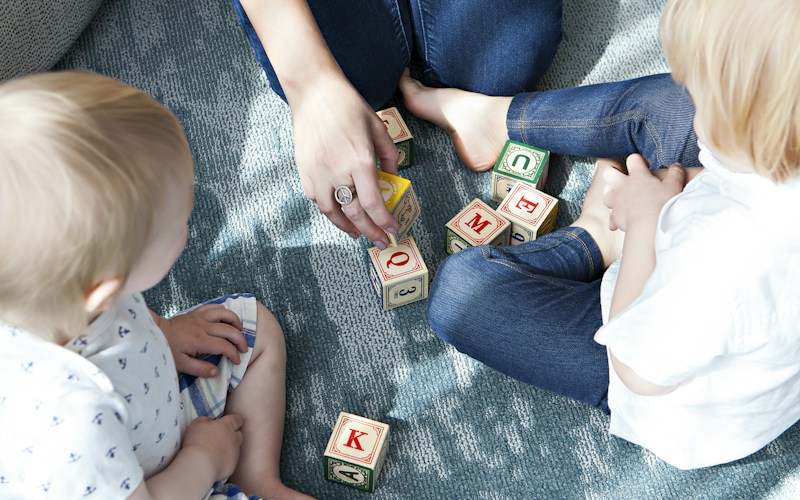


Giftedness does not guarantee school achievement. Without support, boredom, perfectionism and loss of motivation are common; ability confers no immunity against difficulty.
Giftedness is something families are both proud of and challenged by. A child reading early, asking complex questions and having interests different from their peers is a source of pleasure; yet the same child may be bored at school, struggle to get along with peers and show intense emotional reactions.
This article covers how giftedness is recognised, how assessment is carried out, the misconceptions commonly encountered, and the support these children need.
Giftedness is not a diagnosis; it is a developmental profile different from that of peers. But where it is not supported, it can create the ground for mental health difficulties — and that is precisely the subject of this article.
Key Points
- Giftedness is not simply a high test score; rapid learning, deep interest and a different way of thinking occur together.
- Giftedness does not guarantee school achievement. Some of these children underperform because of boredom, loss of motivation or an accompanying learning disorder.
- Intense emotional reactions, perfectionism and existential questioning are common in this group and raise the risk of anxiety.
- Giftedness can coexist with ADHD, autism spectrum conditions or learning disorder; this is called being "twice exceptional", and the two pictures can mask one another.
- Assessment is not only an intelligence test; academic skills, attention functions and emotional state are addressed together.
What Is Giftedness?
Giftedness means performing at a markedly advanced level in cognitive functions compared with peers. Scoring above a certain threshold on standardised intelligence tests is used as a criterion; but this alone is not a sufficient definition.
Contemporary approaches consider giftedness through three components: high cognitive capacity, task commitment and persistence, and creativity. Looking only at a test score disregards two of these.
Common Misconceptions
- "A gifted child succeeds in every subject." They do not. The ability profile may be uneven; a child far ahead in mathematics may struggle with writing.
- "They'll manage on their own; they don't need support." On the contrary, without appropriate stimulation they become bored, lose motivation and in time lose confidence in their own ability.
- "They are emotionally ahead of their peers too." Cognitive development can outpace emotional development. An eight-year-old may discuss a topic suited to a fifteen-year-old but react emotionally as an eight-year-old. This mismatch creates false expectations in both family and child, and leaves the child feeling misunderstood.
- "They are constantly happy and confident." Perfectionism, fear of failure and loneliness are common in this group.
Signs: How Is It Recognised?
Early Years
- Early language development: early, complex sentences, a wide vocabulary
- Unusual memory: recalling something heard once for a long time
- Intense curiosity: both the frequency and the depth of "why" questions
- Teaching themselves to read
- Unusually intense interest in a particular subject
School Age
- Grasping a topic on first hearing, not needing repetition
- Forming abstract and complex relationships early
- Intense sensitivity about fairness and ethics
- Preferring conversation with adults to peers
- Fixating on detail and on rules
- Refusing easy tasks and choosing difficult ones
Social and Emotional Characteristics
- Intense emotional reactions, high sensitivity
- Perfectionism: preferring not to start unless it can be flawless
- Existential questioning: thinking about death, infinity and justice at an early age
- Not finding shared interests with peers, a sense of loneliness
- Extreme sensitivity to criticism
Not all of these features are present in every gifted child. The profile varies markedly from child to child; for some, social adjustment is no difficulty at all, while for others it is the hardest area.
The Assessment Process
When Is Assessment Requested?
Assessment usually arises for one of two reasons: either the child's advanced performance has been noticed and appropriate educational planning is sought, or conversely the child is struggling and the reason cannot be established.
The second is where families are surprised: giftedness can also be the cause of difficulties at school.
What Does It Cover?
A comprehensive assessment is not merely an intelligence test:
- Developmental and educational history: When skills were acquired, how school has progressed
- Cognitive assessment: Standardised intelligence tests such as the WISC-R or WISC-IV; not only the total score but the subtest profile is examined
- Academic skill measurement: Reading, writing and mathematics compared against age norms
- Attention and executive function: Distinguishing boredom-related inattention from ADHD
- Emotional assessment: Anxiety, perfectionism, self-esteem
- School observation: Teacher feedback
Why Does the Subtest Profile Matter?
A total score alone can mislead. A marked discrepancy between subtests — for example a very high verbal score alongside a low processing speed — may point to an accompanying difficulty.
This profile directly shapes educational planning: it reveals both what the child does easily and where they need support.
"Twice Exceptional" Children
Giftedness coexisting with a developmental diagnosis is called twice exceptionality. Common combinations:
- Giftedness and ADHD: The child compensates for the attention difficulty with ability for a time; the difficulty usually emerges as the workload increases.
- Giftedness and specific learning disorder: High capacity can conceal dyslexia for a long time. The child manages by memorising the text or working it out from context.
- Giftedness and autism spectrum: Intense interests and attention to detail occur in both; the distinction is made in the domain of social communication.
In these children the two pictures mask one another: ability hides the difficulty, and the difficulty hides the ability. The result is usually "average" performance and no diagnosis is made. Yet the child has been left unsupported in both respects: they receive neither stimulation matched to their capacity nor support for their difficulty. Loss of motivation and problems with self-esteem become apparent over time.
Difficulties Encountered
Boredom and Underperformance at School
A child whose level of stimulation falls below their capacity first becomes bored, then loses attention, then stops being motivated. This picture is easily confused with attention deficit.
The distinguishing point is this: boredom-related inattention disappears in an engaging task; in ADHD it persists in unengaging tasks too, across most settings.
Prolonged boredom establishes the habit of "I can get by with little effort". These children get seriously stuck at the first point where they are challenged — usually in secondary school — because they have not developed study skills.
Perfectionism
A child who learns easily does not know how to struggle. When they cannot do something on the first attempt, they read that as a lack of ability and stop trying.
This can turn into fear of failure and avoidance: the child does not begin a task they think they cannot do. In time it creates the ground for anxiety disorder and erodes their confidence in their own capacity.
Peer Relationships
Not finding shared interests can lead to loneliness. The child either tries to fit in by concealing themselves, or withdraws entirely.
Self-concealment is particularly common in girls and delays recognition. The child gains acceptance in the short term, but the loneliness of not being able to express themselves deepens over time.
Emotional Intensity
Cognitive development outpacing emotional development means the child encounters subjects they can understand but cannot cope with. War reports, climate change or death can create early and intense anxiety in these children.
Recognition Difficulties in Girls
Giftedness is recognised later in girls. The main reason is that girls tend more towards fitting in and concealing their difference.
These children may avoid saying what they know in class, play themselves down in order to belong, and settle into the role of "quiet good student". Because they cause no trouble, the need for assessment is not noticed.
In the long term this concealment leads both to not receiving an education matched to capacity and to a loneliness rooted in being unable to express one's real self.
The Importance of Early Recognition
Recognising giftedness early is not a matter of privilege but a precondition of appropriate educational planning.
Correct arrangements in preschool and the first years of primary school preserve the child's positive attitude to learning. Where it is left late, the usual picture is a pupil who has been bored for years, has not developed study skills and has lost interest in school.
Beyond that point, intervention requires not only educational but mental health support.
Support Approaches
Educational Adjustments
- Enrichment: Deeper, more complex content within the same class
- Acceleration: Working at a higher year group level in particular subjects
- Grouping: The opportunity to work with peers at a similar level
- Project-based learning: Work allowing depth within an area of interest
Which is appropriate is determined by the child's cognitive profile, social maturity and what the school can offer. Decisions about acceleration require particular care; a child cognitively ready may not be socially ready.
Collaboration with School
Sharing the assessment report with the school is necessary for recommendations to be implemented. But how it is shared matters.
Rather than the full report, the concrete recommendations that can be applied at school should be foregrounded: enrichment in which subject, additional material on which topic, in which areas repetition is not needed.
Contact with counselling services in schools in Ankara is the principal channel through which these recommendations find a response in the classroom. A teacher regarding the child as "they already know it, they'll manage" is the most frequently encountered and most damaging approach.
The Family's Role
- Praise effort, not achievement. "You didn't give up on that problem" builds tolerance for struggle better than "you're so clever".
- Make room for areas where they will struggle. A life in which everything comes easily does not develop resilience to failure.
- Do not reduce their identity to ability. Being "our clever one" teaches a child that their worth depends on performance.
- Do not forget their emotional age. Being able to discuss a topic does not mean being emotionally ready for it.
- Create peer space. Settings where they meet children with similar interests reduce loneliness.
How It Presents in Adolescence
Two different paths are common among gifted adolescents.
The first is young people who find stimulation matched to their capacity and go deeper; interests become defined and academic or artistic output increases.
The second is young people who have been bored for years and have not developed study skills. In the later school years, as the workload rises, they meet real difficulty for the first time and often cannot cope. "Bright but doesn't work" usually describes this picture, and it reflects an undeveloped skill rather than laziness.
Questions of identity and meaning also intensify in this period, and anxiety about "not meeting expectations" can become prominent.
When Is Psychiatric Support Needed?
- Loss of willingness to attend school, absenteeism
- Anxiety symptoms: insomnia, physical complaints, excessive worry
- Perfectionism impairing functioning: being unable to start homework at all
- Marked loneliness, complete withdrawal from peer relationships
- Depressive symptoms, expressions of worthlessness
- Suspicion of an accompanying diagnosis: ADHD, learning disorder, autism spectrum
Siblings and Family Balance
When one child is identified as gifted, the balance within the family can shift without anyone intending it.
Two patterns are most common. The first is resources — time, attention, money — moving towards that child while other siblings recede. The second is siblings positioning themselves as "the ones who aren't clever".
Fixing roles this way harms both sides: the gifted child comes under performance pressure, while the sibling stops seeing their own strengths.
The recommended approach is that each child's development is seen separately in their own domain, and that the language of comparison is removed from the household. A family identity should not be built out of ability.
Expert Opinion
According to Assoc. Prof. Mehtap Eroglu, the situation encountered most often in requests for giftedness assessment is a family wanting simply to learn a score. Yet a score alone does not show how to support the child.
Clinical experience from assessments in Ankara shows that the real benefit comes from the subtest profile and accompanying conditions becoming visible. What a child does easily and where they struggle both shape the educational plan.
Assoc. Prof. Mehtap Eroglu also emphasises that assuming giftedness to be protective is mistaken. Without appropriate support, anxiety, perfectionism and loss of academic motivation are common in these children. Ability confers no immunity against psychological difficulty.
A further important point is that twice exceptional children are missed. High capacity can conceal a learning disorder or attention problem for years; because the child performs at an average level, no assessment is carried out and they remain unsupported.
Assessment and Appointment Process in Ankara
Requests for giftedness assessment at Assoc. Prof. Mehtap Eroglu's practice in Ankara mostly come from two sources: referral by the school counselling service, or the family's own observation. Some arrive because the child is struggling at school, and the assessment produces the opposite of what was expected.
The assessment conducted by Assoc. Prof. Mehtap Eroglu in Ankara spreads across several sessions. Developmental and educational history is taken first, a standardised intelligence test is then administered, and academic skills are compared with age norms. Attention functions and emotional state are assessed separately. In these assessments in Ankara, whether an accompanying learning disorder or attention problem exists is specifically investigated; twice exceptional pictures most often emerge at this stage.
The assessment report contains more than a score; it covers the child's cognitive profile, strengths, areas needing support, and recommendations that can be applied at school.
What families in Ankara find useful to bring: school reports from the past two years, exercise books, observation notes from the school counselling service, and any previously administered tests.
If you would like to arrange a comprehensive neurodevelopmental assessment for your child in Ankara, you can find out about the process and request an appointment.
In Summary
Giftedness is not a diagnosis but a developmental profile, and it cannot be reduced to a high test score.
It does not guarantee school achievement; underperformance may occur through boredom, perfectionism or an accompanying learning disorder.
Cognitive development outpacing emotional development can lead to intense emotional reactions and early existential anxieties in these children.
The real value of assessment lies not in the score but in the subtest profile and in accompanying conditions becoming visible. With appropriate educational adjustments and the right family approach, these children can use their potential.
For detailed information about the WISC-R intelligence test's subtests and how results are interpreted, see our WISC-R guide.
Frequently Asked Questions
Çocuğumun üstün zekâlı olduğunu nasıl anlarım?
Erken ve karmaşık dil gelişimi, sıra dışı bellek, yoğun merak, kendi kendine okumayı öğrenme ve belirli bir konuya olağandışı ilgi erken belirtilerdir. Okul çağında konuyu bir kez duyunca kavrama, soyut ilişkileri erken kurma ve adalet konularında yoğun duyarlılık görülür. Ancak kesin değerlendirme standart bir zekâ testi ve kapsamlı bir incelemeyle yapılır.
Üstün zekâlı çocuk her derste başarılı olur mu?
Hayır. Yetenek profili dengesiz olabilir; matematikte çok ileriyken yazmada zorlanabilir. Ayrıca üstün zekâ okul başarısını garanti etmez: sıkılma, motivasyon kaybı ya da eşlik eden bir öğrenme güçlüğü nedeniyle düşük performans görülebilir. Uyaran düzeyi kapasitesinin altında kalan çocuk önce sıkılır, sonra dikkatini kaybeder.
Üstün zekâ ile DEHB birlikte olabilir mi?
Evet, buna 'iki kez farklılık' denir. Üstün zekâ ile DEHB, özgül öğrenme güçlüğü veya otizm spektrumu birlikte bulunabilir. Bu çocuklarda iki tablo birbirini maskeler: zekâ güçlüğü, güçlük de zekâyı gizler. Sonuç genellikle ortalama bir performanstır ve hiçbir tanı konulmaz; çocuk her iki yönden de desteksiz kalır.
Sıkılma mı, dikkat eksikliği mi?
Ayırt edici nokta şudur: sıkılmaya bağlı dikkat dağınıklığı ilgi çekici bir görevde kaybolur; DEHB'de ise ilgi çekici olmayan görevlerde de, çoğu ortamda sürer. Bu ayrım kapsamlı bir değerlendirmeyle yapılır; dikkat işlevleri ayrıca ölçülür.
Değerlendirme sadece zekâ testi mi?
Hayır. Kapsamlı bir değerlendirme gelişim ve eğitim öyküsünü, bilişsel değerlendirmeyi (alt test profili dâhil), akademik beceri ölçümünü, dikkat ve yürütücü işlevleri, duygusal durumu ve okul gözlemini kapsar. Asıl değer toplam puanda değil, alt test profilinde ve eşlik eden tabloların görünür olmasındadır.
Çocuğuma 'çok zekisin' demeli miyim?
Başarıyı değil çabayı övmek daha işlevseldir. 'Çok zekisin' yerine 'bu problemde pes etmedin' ifadesi, zorlanmaya tahammülü artırır. Kimliğini zekâya indirgemek — 'bizim zeki çocuk' — çocuğa değerinin performansa bağlı olduğunu öğretir ve mükemmeliyetçiliği besler.
Sınıf atlatmalı mıyım?
Hızlandırma seçeneklerden biridir ancak karar dikkatli verilmelidir. Bilişsel olarak hazır olan bir çocuk sosyal olarak hazır olmayabilir. Diğer seçenekler zenginleştirme (aynı sınıfta daha derin içerik), gruplama ve proje temelli öğrenmedir. Hangisinin uygun olduğu çocuğun bilişsel profiline, sosyal olgunluğuna ve okulun imkânlarına göre belirlenir.
Kız çocuklarında neden geç fark ediliyor?
Kızlar uyum sağlamaya daha fazla eğilim gösterir ve farklılıklarını gizler. Sınıfta bildiklerini söylemekten kaçınabilir, akranlarıyla ortak olmak için kendilerini düşürebilir ve 'sessiz iyi öğrenci' rolüne yerleşebilirler. Sorun çıkarmadıkları için değerlendirme gerekliliği fark edilmez.
Ne zaman psikiyatrik destek gerekir?
Okula gitme isteğinin kaybolması, kaygı belirtileri (uykusuzluk, bedensel yakınmalar, aşırı endişe), mükemmeliyetçiliğin işlevselliği bozması (ödeve hiç başlayamama), belirgin yalnızlık, depresif belirtiler ya da eşlik eden bir tanı şüphesi varsa bir çocuk ve ergen psikiyatristine başvurulmalıdır.
Üstün zekâ ruhsal sorunlardan korur mu?
Hayır, bu yaygın bir yanılgıdır. Uygun destek verilmediğinde bu çocuklarda kaygı, mükemmeliyetçilik ve akademik motivasyon kaybı sık görülür. Bilişsel gelişimin duygusal gelişimden hızlı ilerlemesi, çocuğun anlayabildiği ama baş edemediği konularla erken karşılaşmasına da yol açar.
References
- Renzulli, J. S. (1978). What Makes Giftedness? Reexamining a Definition. Phi Delta Kappan, 60(3), 180-184.
- Silverman, L. K. (2013). Giftedness 101. Springer Publishing Company.
- Reis, S. M., & Renzulli, J. S. (2004). Current Research on the Social and Emotional Development of Gifted and Talented Students. Psychology in the Schools, 41(1), 119-130.
- Foley-Nicpon, M., Allmon, A., Sieck, B., & Stinson, R. D. (2011). Empirical Investigation of Twice-Exceptionality: Where Have We Been and Where Are We Going? Gifted Child Quarterly, 55(1), 3-17.
- Steenbergen-Hu, S., Makel, M. C., & Olszewski-Kubilius, P. (2016). What One Hundred Years of Research Says About the Effects of Ability Grouping and Acceleration. Review of Educational Research, 86(4), 849-899.
- Dweck, C. S. (2006). Mindset: The New Psychology of Success. Random House.
- Neihart, M., Pfeiffer, S. I., & Cross, T. L. (2016). The Social and Emotional Development of Gifted Children: What Do We Know? (2nd ed.). Prufrock Press.
- Peterson, J. S. (2015). School Counselors and Gifted Kids: Respecting Both Cognitive and Affective. Journal of Counseling & Development, 93(2), 153-162.
- Wechsler, D. (2003). Wechsler Intelligence Scale for Children (4th ed.). NCS Pearson.
Doç. Dr. Mehtap Eroğlu
Associate Professor, Child and Adolescent Psychiatrist. Over 15 years of clinical experience. Ankara University Faculty of Medicine graduate.
View Full ProfileRelated Articles

Postnatal Depression and Its Effect on the Baby

What is Neurodevelopmental Assessment? Scientific Foundations of Child Development Monitoring

WISC-R Intelligence Test: Cognitive Assessment Guide for Children

Infant Psychiatrist Ankara: Early Mental Health and Development Guide

Learning Disabilities and Dyslexia in Children: Comprehensive Parent Guide