
Psychotherapy
Psychotherapy
Cognitive behavioral therapy (CBT), play therapy, EMDR, family therapy, and trauma-focused interventions. Individualized therapy plans tailored to each child's needs.
Psychotherapy is the treatment of emotional, behavioral, and relational problems in children and adolescents through talk and interaction-based methods. At our clinic, we apply evidence-based psychotherapy methods appropriate to each child's developmental level, the nature of the problem, and family dynamics.
Therapy methods we practice:
• Cognitive Behavioral Therapy (CBT): Recognizing and changing negative thought patterns and dysfunctional behaviors. It is the first-line treatment for many psychiatric conditions, particularly anxiety disorders, depression, obsessive-compulsive disorder, and phobias.
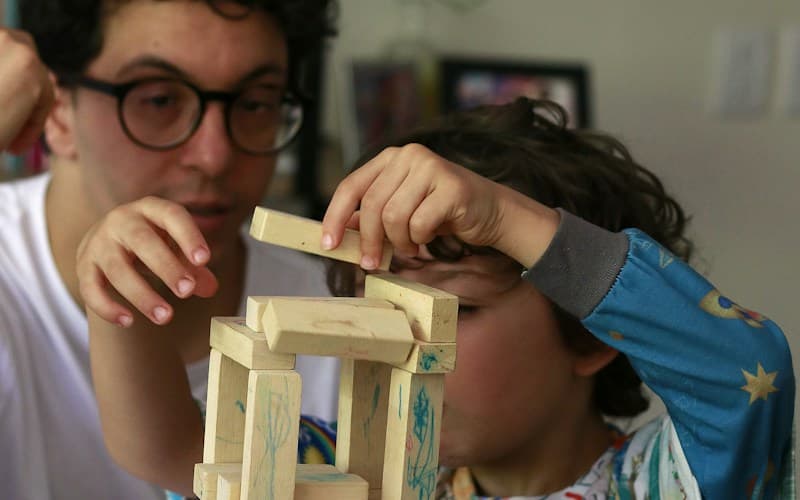
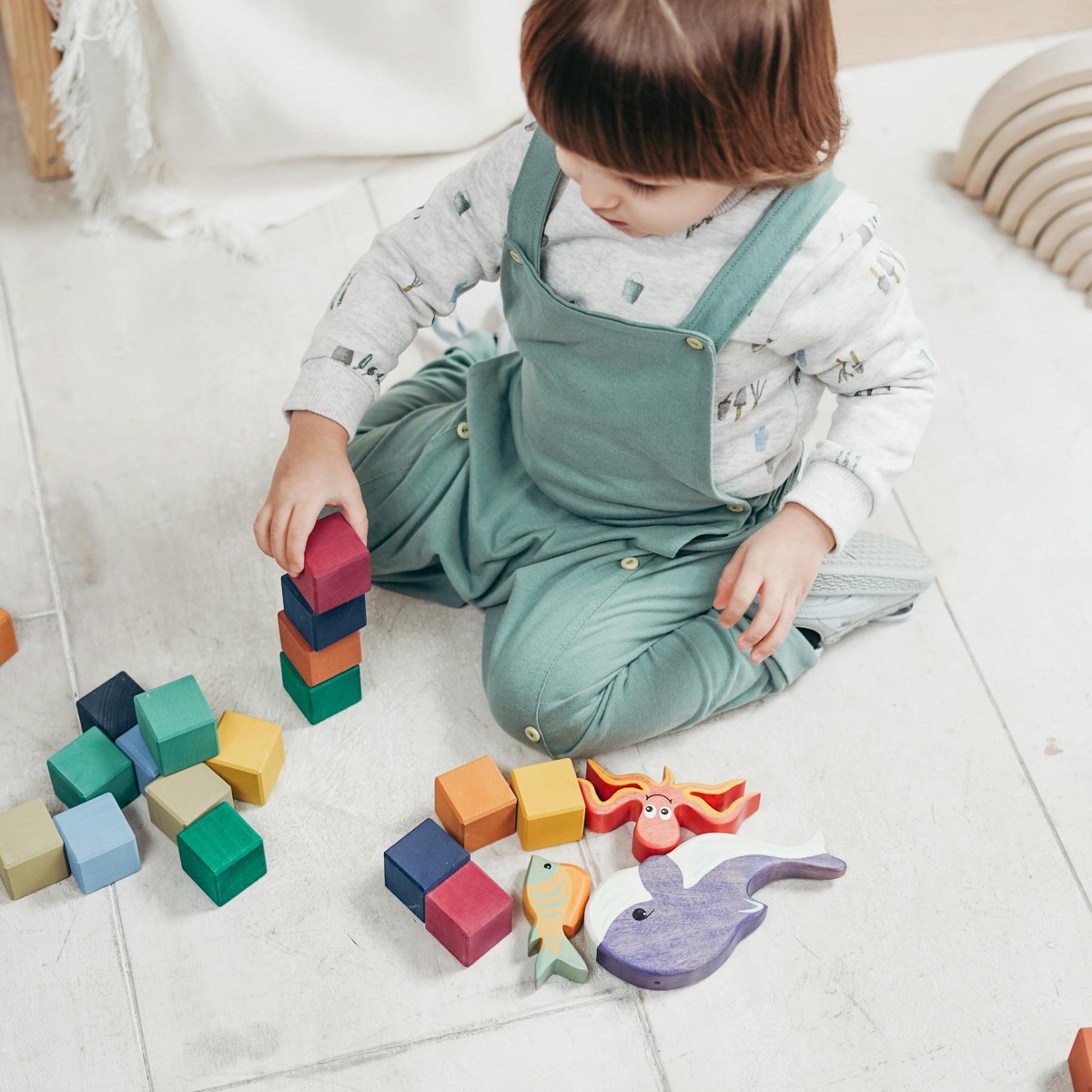
• Play Therapy: A therapeutic approach where children express their emotions, thoughts, and experiences through their natural medium of expression — play. Particularly preferred for young children whose verbal expression skills are not yet developed. Both directive and non-directive play therapy techniques are applied.
• EMDR (Eye Movement Desensitization and Reprocessing): An effective psychotherapy method for processing traumatic experiences. It provides evidence-based results in the treatment of post-traumatic stress disorder (PTSD) following traumatic experiences such as accidents, loss, abuse, and natural disasters.
• Family Therapy: Family communication problems, parent-child conflicts, sibling rivalry, divorce process, adjustment issues in blended families. Strengthening the family holistically with a systemic family therapy approach.
• Dialectical Behavior Therapy (DBT): An effective approach for emotion regulation difficulties, self-harm behaviors, and impulse control issues. Skills in mindfulness, distress tolerance, emotion regulation, and interpersonal effectiveness are taught, especially to adolescents.
• Parent-Child Interaction Therapy (PCIT): A structured program for behavioral problems in children aged 2-7, where the parent interacts with the child under the live guidance of the therapist.
A comprehensive psychiatric evaluation is conducted at the beginning of the therapy process. The most appropriate therapy method is determined considering the diagnosis, the child's developmental level, and family expectations. When necessary, psychotherapy and medication treatment are applied together.
Therapy methods we practice:
• Cognitive Behavioral Therapy (CBT): Recognizing and changing negative thought patterns and dysfunctional behaviors. It is the first-line treatment for many psychiatric conditions, particularly anxiety disorders, depression, obsessive-compulsive disorder, and phobias.
• Play Therapy: A therapeutic approach where children express their emotions, thoughts, and experiences through their natural medium of expression — play. Particularly preferred for young children whose verbal expression skills are not yet developed. Both directive and non-directive play therapy techniques are applied.
• EMDR (Eye Movement Desensitization and Reprocessing): An effective psychotherapy method for processing traumatic experiences. It provides evidence-based results in the treatment of post-traumatic stress disorder (PTSD) following traumatic experiences such as accidents, loss, abuse, and natural disasters.
• Family Therapy: Family communication problems, parent-child conflicts, sibling rivalry, divorce process, adjustment issues in blended families. Strengthening the family holistically with a systemic family therapy approach.
• Dialectical Behavior Therapy (DBT): An effective approach for emotion regulation difficulties, self-harm behaviors, and impulse control issues. Skills in mindfulness, distress tolerance, emotion regulation, and interpersonal effectiveness are taught, especially to adolescents.
• Parent-Child Interaction Therapy (PCIT): A structured program for behavioral problems in children aged 2-7, where the parent interacts with the child under the live guidance of the therapist.
A comprehensive psychiatric evaluation is conducted at the beginning of the therapy process. The most appropriate therapy method is determined considering the diagnosis, the child's developmental level, and family expectations. When necessary, psychotherapy and medication treatment are applied together.
FAQ
Frequently Asked Questions
What is the most effective therapy method for children?
The most effective method varies based on the child's age, diagnosis, and needs. CBT, play therapy, and EMDR are the most commonly used evidence-based approaches.
How long does the therapy process take?
Duration varies depending on the nature of the problem. Some issues can be resolved in 8-12 sessions, while chronic conditions may require longer-term therapy.
Are parents involved in the therapy process?
Yes, especially with younger children, parental involvement is an integral part of treatment. Parent sessions and family therapy processes are conducted regularly.