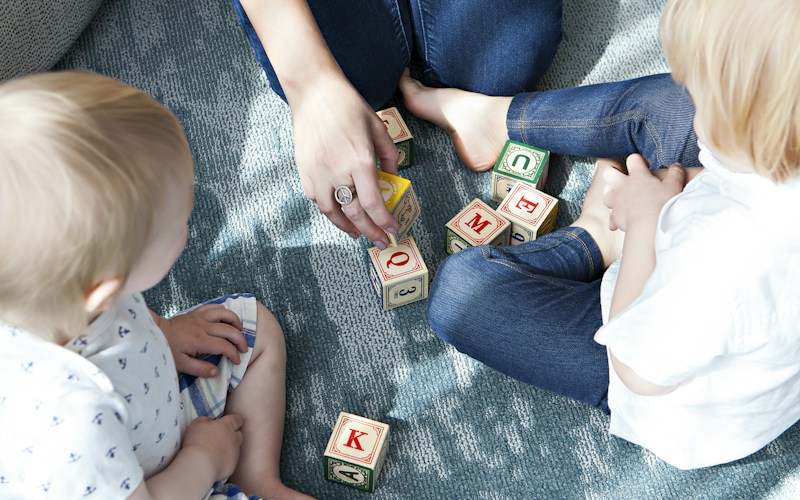


The WISC-R (Wechsler Intelligence Scale for Children) is an internationally standardized neuropsychological tool used to evaluate cognitive capacities in children aged 6-16.
What Is the WISC-R Test?
The WISC-R (Wechsler Intelligence Scale for Children) is an internationally standardized neuropsychological assessment tool used to evaluate the cognitive capacities and intellectual profiles of children between the ages of 6 and 16. Developed by David Wechsler, this scale does not reduce intelligence to a single number; instead, it provides a comprehensive profile that reveals the child's strengths and weaknesses across different cognitive domains. Standardized in Turkey by Hacettepe University, the WISC-R is the most widely used individual intelligence test in the fields of child psychiatry and clinical psychology.
The WISC-R consists of 12 subtests that separately assess the child's verbal and visual-motor skills. These subtests measure cognitive functions across a broad spectrum, from language skills to abstract thinking capacity, attention span to problem-solving ability. The test is administered individually and typically takes between 1.5 and 2.5 hours. This process, conducted by an experienced clinical psychologist, takes place in an environment where the child feels comfortable.
The intelligence quotient (IQ) score obtained from the test indicates the child's cognitive capacity relative to same-age peers. However, as Assoc. Prof. Mehtap Eroglu emphasizes, the true value of the WISC-R lies not in a single IQ score but in the profile analysis across subtests. The difference between a child's verbal score and performance score can carry important clues about conditions ranging from learning disabilities to attention deficit.
When Is It Administered?
The WISC-R test is administered for a variety of clinical and educational needs. The most common reasons for administration include:
Academic performance concerns: The WISC-R test is recommended to determine whether a child is achieving academically at a level consistent with their intellectual ability. In children who underperform despite high potential, the test investigates whether an underlying cognitive profile difference exists.
Suspected learning disabilities: The WISC-R is one of the fundamental assessment tools in diagnosing specific learning disabilities such as dyslexia, dyscalculia, or disorder of written expression. Significant differences among subtests provide guidance regarding the type of learning disability.
Gifted assessment: The WISC-R is administered for the identification of gifted children or preparation for Science and Art Center (BILSEM) examinations. It is the standard scale most widely used in Turkey for gifted identification.
Attention deficit and hyperactivity assessment: As part of the ADHD diagnostic process, the WISC-R may be administered to understand the child's attention profile and working memory capacity.
Developmental delay monitoring: The WISC-R provides important data for assessing overall developmental level and planning educational interventions.
School placement decisions: WISC-R results are a fundamental component of the evaluation process for decisions such as determining special education needs or grade acceleration.
In child psychiatry practice in Ankara, Assoc. Prof. Mehtap Eroglu particularly emphasizes to families presenting with academic concerns the importance of a comprehensive cognitive evaluation. An accurate assessment conducted early on can be decisive in shaping the child's educational trajectory.
Subtests
The WISC-R comprises two main sections: the Verbal Scale and the Performance Scale. Each section contains its own subtests, and together they paint a holistic picture of the child's cognitive profile.
Verbal Subtests
The verbal scale consists of six subtests that measure the child's language skills, verbal reasoning, and acquired knowledge level:
Information: Measures the child's general knowledge acquired from their environment. Provides insight into long-term memory, level of curiosity, and quality of interaction with the surroundings.
Similarities: Evaluates the ability to identify commonalities between two concepts. Reflects abstract thinking, concept formation, and verbal reasoning capacity.
Arithmetic: Measures the ability to solve mental arithmetic problems. Directly related to attention, concentration, working memory, and numerical reasoning.
Vocabulary: Assesses the capacity to explain the meanings of words. Indicates language development, learning potential, and conceptual thinking level.
Comprehension: Measures social understanding and practical judgment regarding everyday situations. Reflects social maturity and understanding of societal norms.
Digit Span: Evaluates the ability to repeat heard numbers in forward and reverse order. Provides information about short-term memory, attention, and sequencing ability.
Performance Subtests
The performance scale consists of six subtests that measure nonverbal cognitive skills, visual-motor coordination, and practical problem-solving ability:
Picture Completion: Measures the ability to identify missing details in pictures. Evaluates visual attention, detail awareness, and observational skills.
Picture Arrangement: Measures the ability to arrange scrambled pictures in a logical sequence. Provides information about social comprehension, cause-and-effect reasoning, and planning skills.
Block Design: Evaluates the ability to reproduce given designs using red-and-white blocks. Measures visual-spatial perception, analysis-synthesis ability, and constructional capacity. It is considered the most reliable subtest of the performance scale.
Object Assembly: Measures the ability to assemble puzzle pieces into a whole. Evaluates visual-motor coordination, part-whole reasoning, and flexibility.
Coding: Measures the speed of matching symbols to corresponding numbers within a set time. Provides information about processing speed, visual-motor coordination, and learning rate.
Mazes: Evaluates the ability to solve mazes on paper. Measures planning, foresight, and visual-motor coordination.
How Are Test Results Interpreted?
The WISC-R test yields three fundamental scores: Verbal IQ, Performance IQ, and Full-Scale IQ. These scores are calculated based on age-group norms and are distributed with a mean of 100 and a standard deviation of 15.
Score ranges are classified as follows:
- 130 and above: Very superior intelligence
- 120–129: Superior intelligence
- 110–119: High average
- 90–109: Average
- 80–89: Low average
- 70–79: Borderline
- 69 and below: Intellectual disability
However, the true richness of WISC-R interpretation lies in the profile analysis across subtests. Assoc. Prof. Mehtap Eroglu explains the importance of this profile analysis in her clinical practice in Ankara: "While the Full-Scale IQ score is a summary of the child's overall cognitive capacity, the distribution across subtests provides far more information. For example, if there is a difference of more than 15 points between the Verbal IQ and Performance IQ, this is clinically significant and may indicate various learning disabilities."
Clinical significance of the Verbal-Performance discrepancy:
A markedly higher Verbal IQ compared to Performance IQ may indicate that the child's language skills are strong while their visual-spatial and motor skills are relatively weak. In the reverse scenario, the child may be strong in practical skills but struggling with verbal expression and language-based learning.
Scatter analysis: The degree to which scores are dispersed across subtests (scatter) indicates how homogeneous or heterogeneous the cognitive profile is. High scatter suggests the presence of specific areas of strength and weakness.
Factor analysis: WISC-R subtests can be grouped under four factors: Verbal Comprehension, Perceptual Organization, Attention/Concentration, and Processing Speed. These factor scores help provide a more detailed understanding of the child's cognitive profile.
What Is the WISC-R Used For?
Learning Disability Diagnosis
Specific learning disability is defined as unexpectedly low performance in certain academic areas in children with average or above-average intelligence. The WISC-R is one of the fundamental assessment tools that supports this diagnosis.
In the diagnosis of dyslexia, certain profile characteristics in the verbal subtests can support the diagnosis. Low scores in the Digit Span and Arithmetic subtests may indicate working memory problems, while a low score on the Coding subtest may point to processing speed difficulties. WISC-R results also provide guiding information for planning educational interventions.
Gifted Identification
The WISC-R is the most widely used tool for identifying gifted children in Turkey. In applications for Science and Art Centers (BILSEM), the WISC-R score is one of the primary criteria. Generally, an IQ score of 130 and above is considered to indicate giftedness, although some programs may also consider scores of 120 and above.
Assoc. Prof. Mehtap Eroglu notes that the WISC-R alone is not sufficient for evaluating gifted children, and that factors such as creativity, motivation, and social-emotional development must also be taken into account. Gifted children may occasionally exhibit behavioral problems or low academic performance; this phenomenon is known as "masked giftedness," and the WISC-R plays an important role in removing this mask.
ADHD Assessment
During the diagnostic process for Attention Deficit Hyperactivity Disorder, the WISC-R provides valuable information about the child's attention profile and working memory. In children with ADHD, the Attention/Concentration factor (Arithmetic, Digit Span, and Coding subtests) tends to score lower compared to other factors. While this profile characteristic does not directly establish an ADHD diagnosis, it is an important finding that supports the clinical evaluation.
The WISC-R also helps in understanding how ADHD affects cognitive capacity, in planning treatment, and in determining educational strategies. In clinical practice in Ankara, administering the WISC-R as part of the ADHD diagnostic process is a common approach.
Pre-Test Considerations
To obtain the most accurate results from the WISC-R test, certain preparations should be made beforehand:
Physical preparation: It is important that the child is well-rested, well-fed, and healthy on the day of testing. A child who is sleep-deprived or hungry may not perform at their true capacity.
Emotional preparation: The child should be given an age-appropriate explanation about the test. Instead of anxiety-provoking terms such as "exam" or "intelligence test," phrases like "you will play some games" or "we will solve puzzles" are preferable.
Timing: It is recommended that the test be scheduled during the hours when the child is most alert and energetic. Morning hours are generally preferred.
Medication use: If the child is taking any medication, the clinician should be consulted before the test. In particular, whether ADHD medications should be taken on the day of testing is determined based on the purpose of the assessment.
Anxiety management: Test results may not be reliable in excessively anxious children. Assoc. Prof. Mehtap Eroglu recommends establishing a trusting relationship over a few sessions before administering the test to anxious children.
Repeat administration: If the WISC-R needs to be re-administered to the same child, it is recommended to wait at least one year to minimize the practice effect.
WISC-R Testing in Ankara
In Ankara, the WISC-R test can be administered at child psychiatry clinics, clinical psychology centers, and guidance and research centers. However, the reliability of the test is directly dependent on the experience and competence of the administering professional.
The WISC-R must be administered individually by a trained clinical psychologist. Group-administered or computer-based versions fall outside standardization parameters and do not yield reliable results. At Assoc. Prof. Mehtap Eroglu's clinic, the WISC-R is administered by experienced clinical psychologists, and the results are interpreted in a clinical context by a child psychiatrist.
For families in Ankara considering having a WISC-R test administered, the following recommendations apply: First, consult with a child psychiatrist to determine whether the test is necessary; inquire about the suitability of the testing conditions; and request that results be presented in a comprehensive report.
Expert Opinion
According to Assoc. Prof. Mehtap Eroglu, the WISC-R is an indispensable tool in child psychiatry practice, although it does not need to be administered routinely to every child. "The WISC-R is a powerful tool used to answer specific clinical questions. However, test results alone do not establish a diagnosis; a holistic interpretation must be made in conjunction with clinical evaluation, history, observation, and other tests," she states.
Assoc. Prof. Eroglu also draws attention to the risks of parents placing excessive focus on the WISC-R score: "A child's IQ score reflects only one dimension of their potential. Factors such as emotional intelligence, creativity, social skills, and motivation are at least as important as cognitive capacity. Parents should view the IQ score not as a label but as a tool for better understanding their child."
Having practiced child psychiatry in Ankara for many years, Assoc. Prof. Eroglu notes that updated versions of the WISC-R, namely the WISC-IV and WISC-V, have also begun to be used in Turkey, although the WISC-R remains widely preferred. She adds, "Which version to use is determined based on the purpose of the assessment and available normative studies. What matters is not the test itself but the accurate and comprehensive interpretation of the results."
In Summary
The WISC-R is a powerful neuropsychological assessment tool that evaluates children's cognitive capacities in a multidimensional manner. It has a broad range of applications, from learning disability diagnosis to gifted identification, ADHD assessment to educational planning. The value of the test lies not in the IQ score alone but in the profile analysis across subtests and the clinical interpretation of that analysis. Families in Ankara who wish to have a WISC-R test administered should first consult with a child psychiatrist to determine whether the test is necessary and should request that the results be comprehensively interpreted by an experienced professional. The WISC-R is a valuable clinical tool that should be used not to label a child but to better understand them and support their development in the most appropriate way.
For the scope of neurodevelopmental assessment in Ankara, the tests administered and the appointment process, see our neurodevelopmental assessment guide.
Frequently Asked Questions
WISC-R testi kaç yaş arasındaki çocuklara uygulanır?
WISC-R testi, 6 yaş 0 ay ile 16 yaş 11 ay arasındaki çocuklara uygulanır. Bu yaş aralığının altındaki çocuklar için WPPSI, üstündeki bireyler için WAIS gibi farklı Wechsler ölçekleri kullanılır.
WISC-R testi ne kadar sürer?
WISC-R testi genellikle 1,5 ila 2,5 saat arasında sürer. Çocuğun yaşına, dikkat süresine ve iş birliğine göre bu süre değişebilir. Gerektiğinde test iki oturuma bölünebilir.
WISC-R testi öncesinde çocuğu hazırlamak gerekir mi?
Çocuğa test hakkında basit ve rahatlatıcı bir açıklama yapılması yeterlidir. Çocuğun iyi dinlenmiş, tok ve rahat olması test performansını olumlu etkiler. Sınav havası yaratmaktan kaçınılmalıdır.
WISC-R testine çalışılabilir mi?
WISC-R testine önceden çalışmak mümkün değildir ve önerilmez. Test, doğuştan gelen bilişsel kapasiteyi ölçer; önceden pratik yapmak sonuçların güvenilirliğini bozar ve yanlış profil ortaya çıkmasına neden olur.
WISC-R testi sonuçları ne zaman çıkar?
Test uygulamasının ardından puanlama ve yorumlama süreci genellikle 3-7 iş günü sürer. Detaylı bir rapor hazırlanarak aileye sunulur ve sonuçlar klinisyen tarafından açıklanır.
WISC-R testi tekrarlanabilir mi?
Aynı testin öğrenme etkisini önlemek için en az 1 yıl arayla tekrarlanması önerilir. Ancak klinik gereklilik durumlarında bu süre kısaltılabilir.
WISC-R puanı düşük çıkarsa ne yapılmalı?
Düşük bir WISC-R puanı tek başına bir tanı değildir. Sonuçlar klinik değerlendirme ile birlikte yorumlanmalı ve çocuğun ihtiyaçlarına uygun eğitim ve destek planı oluşturulmalıdır.
WISC-R ile WISC-IV arasındaki fark nedir?
WISC-IV, WISC-R'ın güncellenmiş versiyonudur. Daha güncel normlar içerir ve Çalışma Belleği ile İşlem Hızı indekslerini ayrı olarak ölçer. Türkiye'de her iki versiyon da kullanılmaktadır.
WISC-R testi Ankara'da nerede yaptırılır?
Ankara'da WISC-R testi, çocuk psikiyatrisi klinikleri, klinik psikoloji merkezleri ve rehberlik araştırma merkezlerinde uygulanabilir. Test mutlaka eğitimli bir klinik psikolog tarafından bireysel olarak uygulanmalıdır.
WISC-R testi ücreti ne kadardır?
WISC-R testi ücreti kurumdan kuruma değişiklik gösterir. Devlet hastanelerinde ücretsiz olarak uygulanabilirken, özel kliniklerde test uygulama ve raporlama ücreti ayrı olarak belirlenir. Güncel ücret bilgisi için kliniğinize danışmanız önerilir.
References
- Wechsler, D. (1974). Manual for the Wechsler Intelligence Scale for Children-Revised. The Psychological Corporation.
- Savaşır, I., & Şahin, N. (1995). Wechsler Çocuklar İçin Zeka Ölçeği (WISC-R) Uygulama Kitapçığı. Türk Psikologlar Derneği Yayınları.
- Flanagan, D. P., & Kaufman, A. S. (2009). Essentials of WISC-IV Assessment. John Wiley & Sons.
- Sattler, J. M. (2008). Assessment of Children: Cognitive Foundations (5th ed.). Jerome M. Sattler Publisher.
- Groth-Marnat, G. (2009). Handbook of Psychological Assessment (5th ed.). John Wiley & Sons.
- Ankara Üniversitesi Çocuk Psikiyatrisi Anabilim Dalı. (2020). Nöropsikolojik Testler Uygulama Rehberi.
- Türkiye Çocuk ve Genç Psikiyatrisi Derneği. (2021). Çocuk ve Ergenlerde Bilişsel Değerlendirme Kılavuzu.
- Prifitera, A., Saklofske, D. H., & Weiss, L. G. (2005). WISC-IV Clinical Use and Interpretation. Academic Press.

Doç. Dr. Mehtap Eroğlu
Associate Professor, Child and Adolescent Psychiatrist. Over 15 years of clinical experience. Ankara University Faculty of Medicine graduate.
View Full ProfileRelated Articles

Gifted Children: Signs, Assessment and Support

Postnatal Depression and Its Effect on the Baby

What is Neurodevelopmental Assessment? Scientific Foundations of Child Development Monitoring

Infant Psychiatrist Ankara: Early Mental Health and Development Guide

Learning Disabilities and Dyslexia in Children: Comprehensive Parent Guide