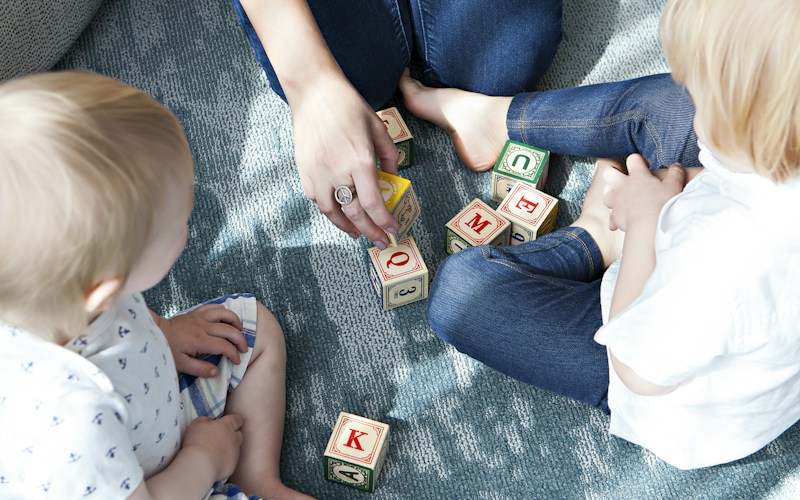


A comprehensive guide explaining how to read your baby's developmental milestones through a scientific lens and how to open the doors to a healthy future — with Assoc. Prof. Mehtap Eroğlu, infant psychiatrist in Ankara.
What Is an Infant Psychiatrist and Why Does It Matter?
Do you think your baby cannot express emotions because they cannot yet speak? In reality, every cry, every gaze, and every silence carries the quiet yet powerful messages of a rich inner world. As a parent, it is entirely natural to feel uncertain about what your baby is experiencing, or to feel confused by well-meaning but dismissive advice like "they'll grow out of it."
In this guide, Assoc. Prof. Mehtap Eroğlu — practicing as an infant psychiatrist in Ankara — explains how to read your baby's developmental milestones through a scientific lens and how to lay the groundwork for a healthy future. As Turkey's child population surpasses 21 million (as of late 2025), the importance of early intervention and the right professional support grows every day. From neurodevelopmental assessment to parent counseling, we walk through the most current, evidence-based methods to help you build your baby's emotional architecture on solid foundations.
Who Is an Infant Psychiatrist and What Areas Do They Cover?
An infant psychiatrist is a medical doctor who, after completing medical school and specializing in child and adolescent mental health, focuses their clinical work on the most critical first three years of life. This specialty is not only about treating existing problems — it also involves monitoring and supporting the baby's healthy developmental journey.
The question parents frequently ask — "What is the difference between a child psychologist and a child psychiatrist?" — finds its answer right here. While psychologists play valuable roles in therapy and developmental follow-up, a psychiatrist is equipped to analyze biological processes, neurological foundations, and medical risks. For families searching for a child psychiatrist in Ankara, understanding this distinction is a critical step toward finding the right professional.
In a phase when babies cannot yet describe the world in words, specialists focus on reading behavioral and biological signals. Deviations in sleep patterns, refusal to feed, differences in muscle tone, or limited eye contact are all quiet messages from a baby's inner world. Assoc. Prof. Mehtap Eroğlu, infant psychiatrist in Ankara, filters these signals through a scientific framework to analyze the baby's developmental architecture.
Core Principles of Infant Mental Health
Infant mental health is built upon the secure attachment relationship a baby forms with their caregivers. The fundamental principle is to help the baby perceive the world as a safe place. Emotional regulation skills — the baby's capacity to calm down during stress — are established during this period. How biological temperament traits interact with environmental factors is another important area examined carefully by specialists. Each baby's unique temperament is the most important guide for shaping the parenting style.
The Importance of Medical Expertise: Why a Psychiatrist?
Developmental delays can sometimes be linked not only to environmental factors but also to underlying medical causes. An infant psychiatrist conducts neurological and psychiatric assessments from a holistic perspective. Only through a medical background can one accurately analyze how many physical factors — from thyroid function to metabolic processes — affect mental development. Intervention does not always mean medication; on the contrary, in this age group, non-pharmacological interventions and parent-focused therapeutic approaches take priority. Scientific planning aims to make the best use of the baby's neuroplasticity capacity.
The Power of Early Intervention: Why Does Neurodevelopmental Assessment Matter?
The infant period is the phase in which the human brain is most open to being shaped, like soft clay. This high capacity for shaping — known as brain plasticity — makes the first years of life uniquely important. The neurodevelopmental assessment carried out by an infant psychiatrist in Ankara is not merely about identifying a potential problem; it is about simultaneously tracking the baby's motor, language, and social developmental milestones while building the architecture for healthy growth. Identifying potential risks from the 12th month onward is the most critical factor in determining the success of any intervention.
Every correct step taken early on creates positive effects across a wide range, from the child's future academic success to their social relationships. Through these assessments, the baby's strengths are reinforced while scientific support can be planned without delay for areas where development lags behind.
Brain Development and Emotional Foundations
The first 1,000 days of life represent the period when synaptic connections form most rapidly and brain tissue undergoes its most intensive physical development. As emphasized by the Turkish Association for Child and Adolescent Psychiatry, the emotional interaction between parent and baby directly shapes this brain architecture. Responding sensitively to the baby's needs minimizes the destructive effects of stress hormones on the brain. Forming a secure bond is not merely an emotional need — it is also a biological necessity.
Developmental Risks Observed in Infancy
Some developmental risks may go unnoticed under the assumption of "they'll grow out of it" if no professional observation is made. Early signals of autism spectrum disorder risk — such as difficulty with joint attention or not responding to their name — tend to become clearer between 12 and 18 months. Additionally, monitoring babies who show extreme sensitivity due to temperamental traits is also critical.
Regulatory difficulties such as trouble falling asleep, refusal to eat, or inability to self-soothe may indicate that the baby's nervous system is struggling to adapt to the external world. At this point, an experienced infant psychiatrist in Ankara offers evidence-based strategies to help families navigate these challenging processes.
Warning Signs for Parents: When Should You Consult a Specialist?
You know your baby best — but sometimes it can be difficult to tell whether a behavior is a passing phase or a sign that support is needed. Reassurances like "every child is different" or "his father was a late talker too" can sometimes cause a critical intervention window to be missed. You do not need to wait for a severe clinical presentation before seeing an infant psychiatrist; even minor deviations in developmental milestones deserve professional attention.
The following signs indicate that you should consult a child psychiatrist or infant psychiatrist in Ankara:
- Lack of Social Engagement: Absence of the expected social smile from the second month onward, or limited eye contact.
- Communication Gaps: No response when called by name, or failure to follow a pointed object between 9 and 12 months (joint attention deficit).
- Regulatory Difficulties: Uncontrollable crying episodes, extreme fussiness, or conversely, excessive silence and unresponsiveness toward the environment.
- Attachment Issues: Emotional flatness in the relationship with the caregiver, or overwhelming, uncontrollable distress at moments of separation.
Social and Emotional Signs
Age-appropriate development of gestures and facial expressions provides important clues about how the baby perceives the world. Showing no interest in imitative games such as waving, clapping, or peekaboo may suggest a disruption in social learning processes. Additionally, extreme fear of strangers, or conversely, showing absolutely no selectivity and maintaining the same distance toward everyone, warrants an evaluation of secure attachment processes by an infant psychiatrist.
Physical Processes Reflected Psychologically
In babies, emotional states are usually read through bodily functions. Psychogenic feeding problems — such as refusal to eat or extreme selectivity — can sometimes be an expression of conflict between mother and baby, or of sensory sensitivity. Similarly, intense resistance to falling asleep may indicate the baby's difficulty managing separation anxiety. When these symptoms become chronic and persistent, it is vital to examine not only biological causes but also psychological origins.
What Does an Infant Psychiatry Examination in Ankara Look Like?
An infant psychiatry examination is a process entirely different from adult examinations — one that places the baby's comfort and safety at the center. At Assoc. Prof. Mehtap Eroğlu's clinic in Ankara, the clinical environment is designed so that the baby feels not in a strange place, but in a safe play area. From the very first contact, the infant psychiatrist minimizes the baby's anxiety level to allow natural behaviors to emerge.
The most critical part of the process is the detailed developmental and family history obtained from the parents. Every detail — from the pregnancy period to birth, from sleep habits to feeding routines — serves as a puzzle piece for understanding the baby's inner world. During the assessment, standardized developmental screening tests and neurodevelopmental tools are used. These tools reveal, with scientific data, which developmental milestone the baby has reached relative to peers.
The First Appointment and Observation Phase
At the first appointment, the specialist carefully examines the quality of the relationship between the baby and their parent. The baby's pattern of eye contact, their responses to emotional signals from the parent, and their reaction to new people entering the room are all analyzed. At this stage, sensory sensitivities and motor skills are also under clinical observation, not just mental state. The baby's responses to sounds, touch, or moving objects provide important clues about how the nervous system processes the external world.
Parent Counseling and a Shared Roadmap
The examination is not a process where the parent is a passive observer — rather, the parent is at its center. Assessment results are shared with the family in a transparent, supportive, and constructive manner. If a risk factor is identified, practical strategies for the home environment are determined together. When deemed necessary, the infant psychiatrist collaborates with other disciplines — such as a speech-language pathologist or occupational therapist — to create the most comprehensive support plan for your baby.
Assoc. Prof. Mehtap Eroğlu: An Expert Approach to Infant Mental Health in Ankara
Assoc. Prof. Mehtap Eroğlu, practicing in Ankara as a child and adolescent psychiatrist, offers a vision that blends academic depth in infant mental health with many years of clinical experience. As an infant psychiatrist, she acknowledges that every baby's temperament, biological makeup, and developmental pace are entirely unique. This approach is based on evidence-based methods aimed not just at eliminating symptoms, but at bringing out the baby's full potential.
In clinical practice, neurodevelopmental follow-up programs structured with the most current data that modern medicine offers are applied. These programs aim not only to address the baby's current needs but also to safeguard their future mental resilience.
Individualized Assessment and Therapy
In individualized assessment processes, the strengths the baby already possesses are carefully identified. These areas of strength serve as levers for the developmental areas that need support. Modern psychotherapy approaches are adapted to suit the sensitive nature of infancy and the non-verbal language of communication at this age. To achieve a sustainable sense of wellbeing, structured follow-up programs aligned with the developmental timeline are meticulously maintained — extending well beyond the observations made in the examination room.
Family-Centered Solution Strategies
Infant mental health cannot be considered independently of the parent's emotional state and caregiving capacity. For this reason, guidance aimed at increasing parents' emotional resilience is an inseparable part of the process. Individual parent counseling and, when necessary, group training sessions increase families' awareness of developmental processes.
Early Steps Toward a Healthy Future
Every developmental milestone in infancy is a foundational stone of your child's future mental architecture. Making proper use of the high brain plasticity of early years means not only resolving existing problems — it means maximizing your baby's potential. When every detail — from social engagement to regulatory skills — is analyzed with the guidance of an infant psychiatrist, uncertainty gives way to a confident parenting journey.
Assoc. Prof. Mehtap Eroğlu, infant psychiatrist in Ankara, brings associate professor-level academic expertise and extensive experience in neurodevelopmental processes, offering a holistic, individualized, and family-centered approach. The right time to have your baby's development professionally evaluated and their silent messages understood is right now.
For detailed information on developmental delays, intellectual disability and tracking developmental milestones, see our developmental delays guide.
For your baby's early-period assessment in Ankara, you can review our infant psychiatry service and request an appointment.
Frequently Asked Questions
Bebek psikiyatristi ne demek, hangi hastalıklara bakar?
Bebek psikiyatristi, tıp fakültesi ve çocuk-ergen psikiyatrisi uzmanlık eğitimini tamamlamış, yaşamın ilk üç yılındaki ruhsal gelişim ve bozukluklara odaklanan tıp doktorudur. Bağlanma sorunları, regülasyon bozuklukları, uyku ve beslenme güçlükleri, gelişimsel gecikmeler ve otizm spektrum bozukluğunun erken belirtileri başlıca değerlendirme alanlarıdır.
Ankara'da bebek psikiyatristi randevusu nasıl alınır?
Ankara'da bebek psikiyatristi Doç. Dr. Mehtap Eroğlu'ndan randevu almak için web sitesi üzerindeki iletişim formunu doldurabilir veya WhatsApp hattından ulaşabilirsiniz. İlk değerlendirme görüşmesi genellikle 45-60 dakika sürmektedir.
Bebekler gerçekten psikolojik sorunlar yaşayabilir mi?
Evet, bebekler zengin bir duygu dünyasına sahiptir ve doğumdan itibaren çeşitli ruhsal zorluklar yaşayabilirler. Özellikle bağlanma sorunları, regülasyon bozuklukları ve travmatik yaşantılar bebeklik döneminde belirgin şekilde kendini gösterebilir. Bu durumlar genellikle uyku düzenindeki bozulmalar, beslenme reddi veya sosyal etkileşimdeki aksamalarla dışa vurulur.
Bebek psikiyatrisi randevusuna gelirken nasıl hazırlanmalıyız?
Randevu öncesinde bebeğinizin gelişimsel öyküsü, uyku ve beslenme rutinleri hakkında kısa notlar almanız süreci kolaylaştıracaktır. Bebeğinizin gelişimini gösteren kısa videolar veya sağlık karnesi gibi belgeleri yanınızda bulundurmak değerli bilgiler sunar. Bebeğinizin karnının tok ve uykusunu almış olması, muayene sırasındaki gözlemin daha doğal gerçekleşmesini sağlar.
Bebeğimde otizm belirtileri olduğunu nasıl anlarım?
Otizmin erken belirtileri genellikle 12. aydan itibaren sosyal etkileşim kısıtlılığı ile fark edilmeye başlanır. Bebeğinizin ismiyle çağrıldığında tepki vermemesi, sizin işaret ettiğiniz yere bakmaması (ortak dikkat eksikliği) ve kısıtlı göz teması kurması önemli uyarıcılardır. Bu sinyalleri fark ettiğinizde zaman kaybetmeden Ankara'da bir bebek psikiyatristi veya çocuk psikiyatristinden profesyonel değerlendirme almanız önerilir.
Bebek psikiyatrisinde ilaç tedavisi uygulanır mı?
Bebeklik döneminde ilaç tedavisi çok nadiren ve sadece hayati zorunluluk durumlarında tercih edilen bir yöntemdir. Öncelikli yaklaşım, ebeveyn-bebek etkileşimini güçlendirmek, çevresel düzenlemeler yapmak ve oyun temelli terapiler uygulamaktır. Tedavi planı her zaman bebeğin gelişimsel evresine ve tıbbi gerekliliklerine göre bireysel olarak yapılandırılır.
Ayrılık kaygısı ne zaman normal, ne zaman sorun olarak görülmelidir?
Ayrılık kaygısı genellikle 8. ayda başlayıp 18. aya kadar devam eden normal bir gelişimsel evredir. Ancak bu kaygı bebeğin günlük işlevlerini bozacak kadar şiddetliyse, sakinleşmesi çok uzun sürüyorsa ve sosyal gelişimini engelliyorsa bir sorun olarak değerlendirilebilir. Kaygının şiddeti ve süresi, müdahale gerekliliğini belirleyen temel kriterdir.
Nörogelişimsel değerlendirme testi kaç aylıkken yapılmalıdır?
Nörogelişimsel değerlendirmeler bebeğin doğumundan itibaren her evrede yapılabilir ancak 12, 18 ve 24. aylar kritik gelişimsel dönüm noktalarıdır. Bu testler sayesinde bebeğin motor becerileri, dil gelişimi ve sosyal uyumu bilimsel araçlarla takip edilir. Ankara'da Doç. Dr. Mehtap Eroğlu bu değerlendirmeleri kapsamlı bir klinik protokol çerçevesinde yürütmektedir.
References
- Zeanah CH, et al. Handbook of Infant Mental Health. 4th ed. Guilford Press; 2019.
- Shonkoff JP, Phillips DA, eds. From Neurons to Neighborhoods: The Science of Early Childhood Development. National Academies Press; 2000.
- World Health Organization. Nurturing Care Framework for Early Childhood Development. WHO; 2018. — https://www.who.int/publications/i/item/9789241514064
- Bowlby J. Attachment and Loss, Vol 1: Attachment. 2nd ed. Basic Books; 1982.
- Türkiye Çocuk ve Genç Psikiyatrisi Derneği. Erken Çocukluk Dönemi Ruh Sağlığı Kılavuzu. 2023.
- Zeanah CH, Gleason MM. Annual Research Review: Attachment disorders in early childhood. J Child Psychol Psychiatry. 2015;56(3):207-222.
- Skovgaard AM, et al. The prevalence of mental health problems in children 1½ years of age - the Copenhagen Child Cohort 2000. J Child Psychol Psychiatry. 2007;48(1):62-70.
- National Scientific Council on the Developing Child. The Science of Early Childhood Development. Harvard University; 2007. — https://developingchild.harvard.edu
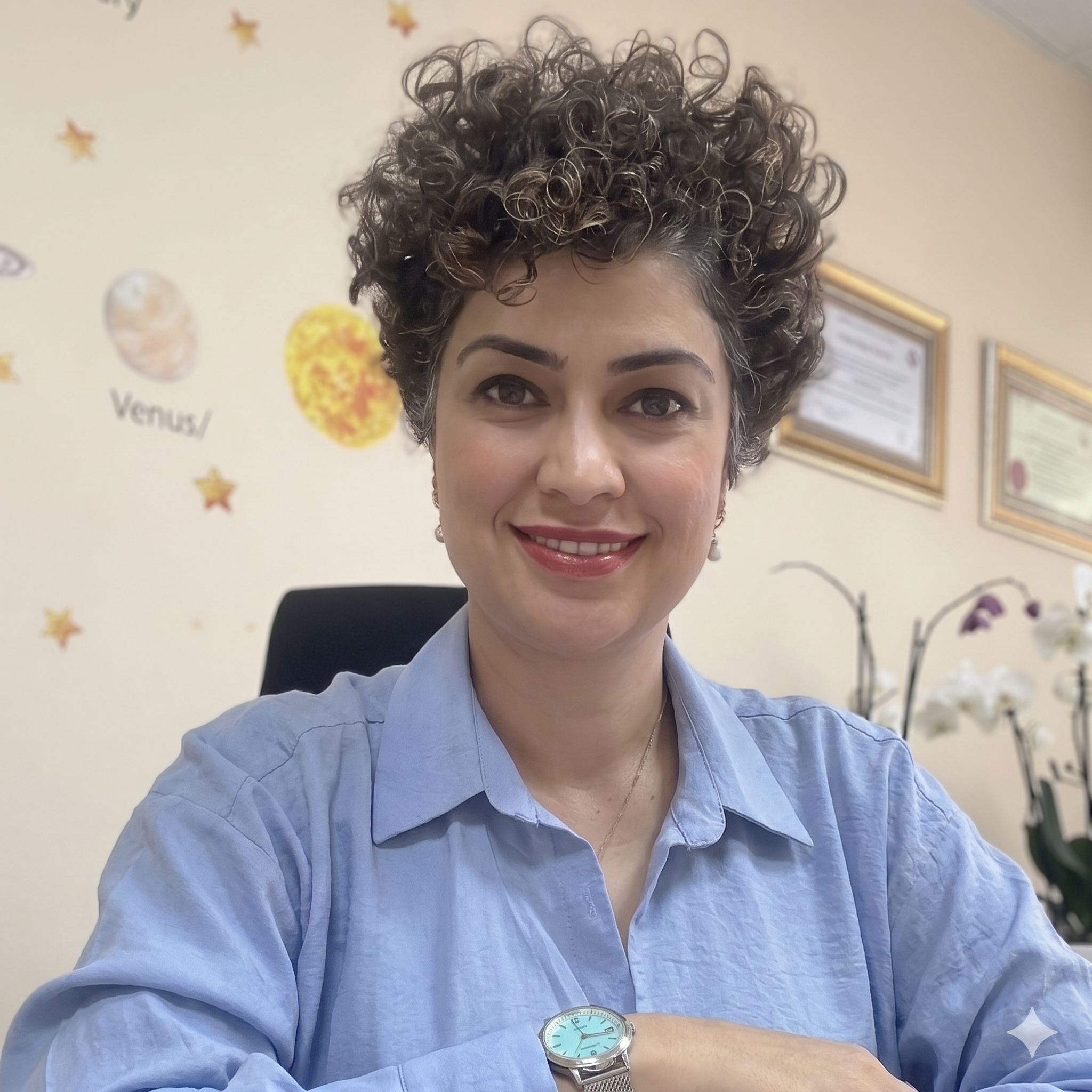
Doç. Dr. Mehtap Eroğlu
Associate Professor, Child and Adolescent Psychiatrist. Over 15 years of clinical experience. Ankara University Faculty of Medicine graduate.
View Full ProfileRelated Articles

Gifted Children: Signs, Assessment and Support
Postnatal Depression and Its Effect on the Baby

What is Neurodevelopmental Assessment? Scientific Foundations of Child Development Monitoring

WISC-R Intelligence Test: Cognitive Assessment Guide for Children

Learning Disabilities and Dyslexia in Children: Comprehensive Parent Guide