


Specific learning disability is a neurodevelopmental disorder characterized by significantly lower performance in reading, writing, or mathematics compared to peers in children with normal or above-normal intelligence.
What Is Specific Learning Disability?
Specific learning disability is a neurodevelopmental disorder characterized by children with normal or above-normal intelligence demonstrating significantly lower performance compared to their peers in the areas of reading, writing, or mathematics. Defined as "Specific Learning Disorder" in the DSM-5-TR classification system, this diagnosis is made when a child's academic failure cannot be explained by insufficient education, low intellectual ability, vision or hearing problems, or psychosocial difficulties. A substantial share of referrals arriving from schools in Ankara through counselling services are made on suspicion of specific learning disorder.
According to Assoc. Prof. Mehtap Eroglu, learning disability is far more prevalent in the population than commonly thought, occurring at varying degrees in approximately five to fifteen percent of school-age children. These children are generally intelligent, curious, and creative individuals; however, due to differences in how their brains process information, they demonstrate lower-than-expected performance in specific academic areas. This is neither an indication of laziness nor of insufficient intelligence; rather, it results from the brain organizing learning processes in a different manner.
Learning disability is a lifelong condition; however, with early diagnosis and appropriate intervention, children can achieve great success in their academic and social lives. The critical point here is identifying the difficulty as early as possible and initiating support tailored to the child's individual needs in a timely manner.
Types of Learning Disability
Specific learning disability is classified into three primary subtypes according to DSM-5-TR. Each subtype is characterized by difficulty in different academic skills, and more than one subtype may coexist in a single child. This is a frequently encountered presentation in clinical practice.
Dyslexia (Reading Disability)
Dyslexia is the most commonly seen subtype among learning disabilities, comprising approximately eighty percent of all learning disability diagnoses. Children with dyslexia experience marked difficulties in letter recognition, sound blending, reading words accurately and fluently, and reading comprehension.
According to Assoc. Prof. Mehtap Eroglu, dyslexia is not merely a matter of seeing or confusing letters in reverse. At the core of dyslexia lies a difference in phonological awareness -- the ability to distinguish, blend, and manipulate sounds. These children typically perform at or even above their peers' level in oral expression, yet face serious challenges when confronted with written text.
Symptoms of dyslexia include skipping or adding letters when reading words, confusing similar letters (for example, b-d, p-q), markedly slow reading speed compared to peers, difficulty with reading comprehension, and syllabification or stumbling during oral reading. The act of reading is an extremely taxing mental process for these children, and this can over time lead to reluctance and avoidance behaviors toward reading.
Dysgraphia (Writing Disability)
Dysgraphia encompasses difficulties experienced in written expression skills. These difficulties may manifest in both the legibility of handwriting and the organization of written expression. Children with dysgraphia can express their thoughts orally with ease yet experience serious difficulties putting them into writing.
Findings suggestive of a dysgraphia diagnosis include inconsistent letter sizing in handwriting, inability to follow lines, atypical pen grip, excessive slowness or excessively fast and illegible writing, and transposing letters and words while writing. Additionally, disruptions in sentence structure, far more punctuation and spelling errors than expected for age, and written texts that appear disorganized and unplanned are noteworthy indicators.
Dyscalculia (Mathematics Disability)
Dyscalculia refers to difficulties experienced in understanding numerical concepts, performing mathematical operations, and mathematical reasoning skills. Estimated to occur in approximately three to seven percent of school-age children, dyscalculia frequently co-occurs with dyslexia.
Children with dyscalculia may have difficulty with recognizing and sequencing numbers, learning basic arithmetic operations such as addition and subtraction, memorizing multiplication tables, understanding mathematical symbols, converting word problems into mathematical expressions, and daily life skills such as telling time and calculating money. In these children, number sense -- the ability to intuitively grasp the magnitude of numbers -- is generally weak.
Symptoms
The symptoms of learning disability manifest in different forms depending on the child's developmental stage. According to Assoc. Prof. Mehtap Eroglu, clues recognized early accelerate the diagnosis and intervention process, positively influencing the child's academic and emotional development. It is critically important for parents and educators to recognize these signs.
Preschool Period
Although a definitive diagnosis of learning disability cannot be made during the preschool period, certain early signs can help identify at-risk children. During this period, delayed speech development, slowness in learning new words, difficulty with rhyming and sound games, and trouble learning letters and numbers may be noteworthy.
Additionally, falling behind the expected age level in learning colors and shapes, experiencing difficulty with fine motor skills (such as using scissors, stringing beads, buttoning), trouble following instructions, delay in understanding time concepts (yesterday, today, tomorrow), and learning nursery rhymes later and with more difficulty compared to peers may also be observed during the preschool period. It is important to emphasize that these signs do not individually indicate a learning disability, but the presence of multiple signs together warrants professional evaluation.
Elementary School Period
The elementary school period is when learning disability most prominently emerges and where diagnosis is most commonly made. Typical symptoms of this period include falling significantly behind peers in learning to read and write, confusing or reversing letters, very slow reading speed, and difficulty with reading comprehension.
In writing, inconsistent letter sizing, inability to follow lines, numerous errors in dictation exercises, and prolonged time to copy text from the board are frequently encountered situations. In mathematics, confusing numbers, difficulty understanding place value, persistent need to use fingers for addition and subtraction, and inability to memorize multiplication tables are observed.
According to Assoc. Prof. Mehtap Eroglu, it is commonly encountered during this period that children begin developing emotional and behavioral problems alongside academic difficulties. Not wanting to attend school, somatic complaints such as stomachaches and headaches, intense resistance to homework, diminished self-confidence, and social withdrawal are symptoms that should be carefully monitored during this period.
Middle School and High School Period
During middle school and high school, learning disability manifests in different ways. With the intensification of the curriculum and the increasing demands for abstract thinking during this period, difficulties may become more pronounced. Difficulty reading and comprehending long texts, inability to organize thoughts in written examinations, serious difficulties in foreign language learning, and inadequacy in note-taking and study strategies are among the prominent symptoms of this period.
During this period, adolescents who have not been diagnosed or have not received adequate support may experience academic motivation loss, decreased self-esteem, problems in peer relationships, and even symptoms of depression and anxiety. Some adolescents may assume the role of class clown to mask their difficulties or may exhibit behavioral problems. The secondary issues during adolescence once again underscore how critical early diagnosis and intervention are.
Causes and Risk Factors
The causes of learning disability display a complex and multifactorial structure. Current scientific literature demonstrates that learning disability cannot be attributed to a single cause and arises from the interaction of genetic, neurobiological, and environmental factors.
Genetic factors are among the strongest risk factors for learning disability. Research shows that dyslexia carries a hereditary component of forty to sixty percent. Risk is markedly increased in children with a family history of learning disability. Gene regions associated with learning disability have been identified on multiple chromosomes.
From a neurobiological perspective, functional magnetic resonance imaging studies have revealed that brain regions activated during reading differ in individuals with dyslexia. Activation differences have been identified particularly in the left hemisphere temporoparietal and occipitotemporal regions. These structural and functional differences in the brain's language processing networks constitute the biological basis of learning disability.
According to Assoc. Prof. Mehtap Eroglu, environmental risk factors include pregnancy and birth complications, premature birth, low birth weight, toxin exposure during pregnancy, and an insufficiently stimulating environment during early childhood. However, it must be noted that these factors do not cause learning disability on their own but may play a triggering role on a foundation of genetic predisposition.
It is vitally important to underscore that learning disability absolutely does not result from parental mistakes, laziness, intellectual deficiency, or inadequate discipline. Such misconceptions harm both the child and the family and can delay the diagnostic process.
Diagnostic Process
The diagnosis of learning disability is made through a comprehensive assessment process conducted by a multidisciplinary team. This process requires a holistic evaluation of the child's cognitive capacity, academic skill level, sensory functions, and emotional state.
The first step in the diagnostic process is the clinical interview. The child and adolescent psychiatrist thoroughly evaluates the child's developmental history, academic background, family history, and current concerns. Information obtained from parents and teachers is extremely valuable in the diagnostic process. Comprehensive information is gathered regarding the child's school performance, homework habits, social relationships, and emotional state.
Intelligence testing is one of the fundamental components of the diagnostic process. Standardized intelligence tests such as the WISC-V (Wechsler Intelligence Scale for Children) are used to assess the child's overall cognitive capacity and its subcomponents. A normal-range intelligence level is required for a learning disability diagnosis. Significant discrepancies between intelligence test subtest scores may also contribute to the diagnosis.
Within the educational assessment, the child's reading, writing, and mathematics skill levels are measured using standardized tests. The child's academic performance being meaningfully below the level expected for their intelligence and age is the primary finding supporting a learning disability diagnosis.
According to Assoc. Prof. Mehtap Eroglu, co-occurring conditions must also be carefully evaluated during the diagnostic process. Conditions such as attention deficit hyperactivity disorder, anxiety disorders, depression, and speech and language disorders can frequently coexist with learning disability, and accurate differential diagnosis is critically important for treatment planning.
According to DSM-5-TR diagnostic criteria, learning disabilities require: difficulties in acquiring and using academic skills persisting for at least six months, affected academic skills significantly below expectations for the individual's age, difficulties beginning during school-age years, and difficulties not being better explained by intellectual disability, vision or hearing problems, other medical conditions, psychosocial adversity, or inadequate education.
Treatment and Support Methods
Although learning disability cannot be completely eliminated, it is possible for children to make significant progress in their academic and social lives with appropriate intervention and support programs. The treatment approach should be planned according to the child's individual needs and should be multidimensional.
Special Education
Special education is the most fundamental and evidence-based intervention method for children with learning disabilities. Individualized education programs delivered by special education specialists offer systematic and structured instruction focused on the areas where the child experiences difficulty.
For dyslexia, multisensory teaching methods (such as the Orton-Gillingham approach) have been found to be particularly effective. In these methods, visual, auditory, tactile, and kinesthetic channels are used together to teach the relationships between letters and sounds. Phonological awareness training, fluency exercises, and teaching reading comprehension strategies are among the core components of dyslexia intervention.
For dysgraphia, fine motor skill exercises, handwriting practice, keyboarding instruction, and teaching written expression strategies are applied. For dyscalculia, number concept activities using concrete materials, mathematical thinking strategies, and mathematics activities connected to daily life are planned.
Individualized Education Program (IEP)
In Turkey, children diagnosed with learning disability can be enrolled in an Individualized Education Program following evaluation by Guidance and Research Centers (RAM). The IEP is a plan prepared according to the child's educational needs and contains accommodations to be implemented in the school setting.
Accommodations within the IEP framework may include extended examination times, reader support during exams, reduced homework load, front-row seating arrangements, and permission to use technological tools. According to Assoc. Prof. Mehtap Eroglu, effective implementation of the IEP requires that teachers have sufficient knowledge about learning disabilities and that family-school collaboration is maintained at a strong level.
Psychotherapy and Motivational Support
In children with learning disabilities, emotional and behavioral problems are frequently observed alongside academic difficulties. Repeated experiences of failure can lead to learned helplessness, low self-esteem, academic motivation loss, school phobia, and social withdrawal.
Cognitive behavioral therapy approaches can help the child recognize and change negative thought patterns. Play therapy is used particularly with younger children to facilitate emotional expression and develop coping skills. Family therapy is valuable in helping the family understand the child's difficulties, develop appropriate expectations, and create a supportive home environment.
The Relationship Between ADHD and Learning Disability
A strong association exists between attention deficit hyperactivity disorder (ADHD) and learning disability. Research shows that approximately thirty to fifty percent of children with ADHD have a co-occurring learning disability. Similarly, the frequency of ADHD in children with learning disabilities is significantly higher compared to the general population.
According to Assoc. Prof. Mehtap Eroglu, the co-occurrence of ADHD and learning disability can complicate the diagnostic process. Determining whether a child whose academic performance has declined due to attention problems has a genuine learning disability requires careful clinical evaluation. When both conditions coexist, the treatment plan must be organized to address both.
Symptoms seen in ADHD such as distractibility, impulsivity, and disorganization can overlap with the symptoms of learning disability. However, the underlying neurobiological mechanisms of these two conditions are different. In ADHD, the core problem lies in executive functions and attention regulation; in learning disability, the core problem lies in acquiring specific academic skills. Accurately identifying both conditions is of great importance for developing the most appropriate intervention plan for the child.
Medications used in ADHD treatment can improve attention and concentration but do not directly correct the learning disability itself. Therefore, in children where both conditions coexist, both medical treatment for ADHD and educational interventions for learning disability should be planned together.
Recommendations for Parents
Being the parent of a child with a learning disability is a challenging and emotional process. However, the family's attitude and support have a determining impact on the child's success. According to Assoc. Prof. Mehtap Eroglu, the following recommendations can help parents manage this process more effectively.
First, accept your child's difficulty and approach it with understanding. A learning disability is not your child's fault and has nothing to do with laziness. Your child having academic difficulties does not mean they are inadequate. Every child has their own unique strengths, and discovering these strengths is extremely important for the child's self-perception.
Communicate openly and honestly with your child. Using age-appropriate language, explain what a learning disability is. Emphasize that your child's brain processes information differently and that this is a difference, not a deficiency. Sharing examples of successful individuals with dyslexia can boost the child's motivation.
Maintain regular and constructive communication with the school. Share information with teachers about your child's needs and closely monitor the IEP process. Keep homework duration within reasonable limits and avoid turning homework into a battleground. Seek professional special education support when needed.
Create a structured and supportive learning space at home. Provide a quiet, organized study area free from distracting stimuli. Plan short, regular study periods. Enrich learning with visual, auditory, and tactile materials. Take advantage of technological tools (audiobooks, educational software, spell checkers).
Discover and support your child's areas of strength. Provide opportunities for your child to showcase their talents in areas such as sports, music, art, and drama. Appreciate and celebrate achievements beyond academic success. This will strengthen your child's overall self-perception.
Be patient and view the process as a marathon. Progress may be slow, but with consistent and continuous support, progress will certainly be made. Avoid comparing your child to others; compare their development to their own past performance. Appreciate even small successes and reward your child's effort.
Finally, do not neglect your own emotional needs. Do not hesitate to seek professional psychological support when needed. Connecting with families who share similar experiences and participating in support groups can lighten your emotional burden.
Expert Opinion
According to Assoc. Prof. Mehtap Eroglu, the most critical issue in the field of learning disabilities is early diagnosis and intervention. Research consistently shows that intervention programs initiated in first and second grade are far more effective than those started at later ages. Therefore, raising awareness among parents and educators about early signs is of great importance. In referrals arriving from schools in Ankara, an unrecognised attention deficit frequently underlies the suspicion of learning disorder.
While awareness of learning disabilities in Turkey has increased in recent years, late diagnosis rates remain high. Many children are referred for clinical evaluation only after academic failure has become chronic and secondary emotional problems have become prominent. Yet early assessment and timely support can make a decisive difference for both the child's academic and social-emotional development.
The greatest obstacle to children with learning disabilities realizing their potential is often not the disability itself but a lack of understanding from their environment and the failure to provide appropriate support. With proper educational accommodations, individualized support programs, and an understanding environment, these children can be highly successful in their academic and professional lives. Albert Einstein, Leonardo da Vinci, Steven Spielberg, and many other accomplished individuals had learning disabilities, yet this did not stand in the way of their achievements.
Learning Disorder Assessment in Ankara
Specific learning disorder cannot be diagnosed in a single appointment, and the most common problem in Ankara in this area is incomplete assessment. Decisions based on a reading test alone become misleading when intellectual level, attention functions, hearing and visual acuity, and educational history are disregarded. Accurate assessment requires a neurodevelopmental process covering all of these components.
The assessment conducted by Assoc. Prof. Mehtap Eroglu in Ankara is usually spread across several sessions. A detailed developmental and educational history is taken first, covering the transition to literacy, the pace of letter learning, and any changes of school. A standardised intelligence test such as the WISC-R is then administered to establish cognitive level. In the final stage, reading speed, reading comprehension, writing, and mathematical skills are compared against age norms. Whether attention deficit is also present is assessed separately, since the two presentations frequently occur together and can mask one another.
A practical point for families in Ankara is that the assessment report can be used within the school system. The report provides the basis for the support education and examination adaptations the student will receive at school. Exercise books, school reports from the past two years, and observation notes from the school counselling service should be brought to the appointment.
If you would like to arrange a comprehensive neurodevelopmental assessment for your child in Ankara, you can find out about the process and request an appointment.
In Summary
Specific learning disability is a condition rooted in neurobiological foundations that occurs in children with normal or superior intelligence, involving difficulties in reading, writing, or mathematics. Having three primary subtypes -- dyslexia, dysgraphia, and dyscalculia -- this condition can negatively affect children's academic performance and psychosocial development. A comprehensive neurodevelopmental assessment in Ankara also forms the basis for the support the child will receive at school.
Early diagnosis and appropriate intervention are critically important for children with learning disabilities to lead successful academic and social lives. Multisensory teaching methods, individualized education programs, psychotherapy support, and parent education are the core components of the treatment process. Co-occurring conditions, particularly ADHD, must also be evaluated and incorporated into the treatment plan.
Parents' understanding acceptance of their child's difficulty, supporting the discovery of their strengths, and maintaining school-specialist collaboration are the cornerstones of a successful process. A learning disability is not a barrier but a different way of learning, and with the right support, these children can reach their highest potential.
If you suspect your child may have a learning disability, having a comprehensive evaluation conducted by a child and adolescent psychiatrist is of great importance to ensure you do not miss the opportunity for early intervention.
Frequently Asked Questions
Öğrenme güçlüğü ile zeka geriliği arasındaki fark nedir?
Öğrenme güçlüğü normal veya üstün zekaya sahip çocuklarda belirli akademik alanlarda yaşanan güçlüktür. Zeka geriliğinde ise genel bilişsel kapasite düşüktür. Öğrenme güçlüğü olan çocuklar pek çok alanda yaşıtlarıyla eşit veya daha iyi performans gösterirken, yalnızca belirli akademik becerilerde zorluk yaşarlar.
Disleksi hangi yaşta tanı alabilir?
Disleksi genellikle okuma yazma öğretiminin başladığı ilkokul birinci ve ikinci sınıf döneminde tanı alabilir. Ancak okul öncesi dönemde fonolojik farkındalık zayıflığı, konuşma gecikmesi ve harf öğrenme güçlüğü gibi erken belirtiler risk altındaki çocukların belirlenmesine yardımcı olabilir.
Öğrenme güçlüğü tedavi edilebilir mi?
Öğrenme güçlüğü tam olarak ortadan kaldırılamaz çünkü beynin bilgiyi işleme biçimindeki farklılıklara dayanır. Ancak uygun özel eğitim, bireyselleştirilmiş destek programları ve eğitsel uyarlamalarla çocuklar akademik becerilerinde önemli ilerlemeler kaydedebilir ve başarılı bir akademik yaşam sürdürebilirler.
Çocuğumun öğrenme güçlüğü olduğunu nasıl anlarım?
Yaşıtlarına göre okuma, yazma veya matematikte belirgin gerilik, ödev yapmaya karşı aşırı direnç, okuldan kaçınma, harfleri karıştırma, okuduğunu anlamada zorluk gibi belirtiler öğrenme güçlüğüne işaret edebilir. Bu belirtilerin süreklilik göstermesi halinde çocuk ve ergen psikiyatristi tarafından değerlendirme önerilir.
Öğrenme güçlüğü kalıtsal mıdır?
Araştırmalar öğrenme güçlüğünün güçlü bir genetik bileşen taşıdığını göstermektedir. Ailede disleksi veya diğer öğrenme güçlükleri öyküsü bulunan çocuklarda risk artmaktadır. Ancak genetik yatkınlık tek başına belirleyici değildir; çevresel faktörler de süreçte rol oynamaktadır.
BEP nedir ve nasıl alınır?
Bireyselleştirilmiş Eğitim Programı (BEP), öğrenme güçlüğü tanısı alan çocukların eğitsel ihtiyaçlarına yönelik hazırlanan bir plandır. Çocuğun çocuk psikiyatristi tarafından tanı alması ve Rehberlik ve Araştırma Merkezi (RAM) değerlendirmesinden geçmesi sonucunda BEP kapsamına alınması sağlanabilir.
DEHB ve öğrenme güçlüğü birlikte görülebilir mi?
Evet, DEHB ve öğrenme güçlüğü sıklıkla birlikte görülmektedir. DEHB tanılı çocukların yaklaşık yüzde otuz ile yüzde ellisinde eşlik eden bir öğrenme güçlüğü bulunmaktadır. Her iki durumun birlikte var olması halinde tedavi planının her ikisini de ele alacak biçimde düzenlenmesi gerekmektedir.
Öğrenme güçlüğü olan çocuklar için hangi teknolojik araçlar faydalıdır?
Sesli kitaplar, metin okuma yazılımları, yazım denetleyiciler, hesap makineleri, not alma uygulamaları ve eğitim yazılımları öğrenme güçlüğü yaşayan çocuklar için faydalı araçlardır. Bu araçlar çocuğun güçlük yaşadığı alanları telafi etmesine ve öğrenme sürecini kolaylaştırmasına yardımcı olabilir.
Öğrenme güçlüğü olan çocuklarda özgüven nasıl desteklenir?
Çocuğun güçlü olduğu alanları keşfetmek ve desteklemek, akademik başarı dışındaki başarıları takdir etmek, çocuğu başkalarıyla kıyaslamamak, küçük ilerlemeleri kutlamak ve güçlüğün bir eksiklik değil farklılık olduğunu vurgulamak özgüveni desteklemenin temel yollarıdır.
Öğrenme güçlüğü değerlendirmesi için hangi uzmana başvurmalıyım?
Öğrenme güçlüğü değerlendirmesi için öncelikle çocuk ve ergen psikiyatristine başvurulmalıdır. Tanı süreci zeka testi, eğitsel değerlendirme ve klinik görüşmeyi içeren kapsamlı bir süreçtir. Çocuk psikiyatristi gerekli değerlendirmeleri koordine ederek tanı koyar ve tedavi planını oluşturur.
References
- American Psychiatric Association. (2022). Diagnostic and Statistical Manual of Mental Disorders, Fifth Edition, Text Revision (DSM-5-TR). American Psychiatric Publishing.
- Shaywitz, S. E., & Shaywitz, B. A. (2020). Overcoming Dyslexia: Second Edition. Vintage Books.
- Fletcher, J. M., Lyon, G. R., Fuchs, L. S., & Barnes, M. A. (2019). Learning Disabilities: From Identification to Intervention. Guilford Press.
- Milli Eğitim Bakanlığı. (2023). Özel Eğitim Hizmetleri Yönetmeliği. Resmi Gazete.
- International Dyslexia Association. (2022). Dyslexia Handbook: What Every Family Should Know. IDA Publications.
- Türkiye Çocuk ve Genç Psikiyatrisi Derneği. (2023). Özgül Öğrenme Güçlüğü Klinik Uygulama Kılavuzu.
- World Health Organization. (2022). International Classification of Diseases, 11th Revision (ICD-11). WHO Publications.
- Pennington, B. F. (2019). From Single to Multiple Deficit Models of Developmental Disorders. Cognition, 101(2), 385-413.
- DuPaul, G. J., & Stoner, G. (2021). ADHD in the Schools: Assessment and Intervention Strategies. Guilford Press.
This article is for general information and does not replace an individual medical evaluation. If you are concerned about your child, please consult a child and adolescent psychiatrist. In an emergency call 112.
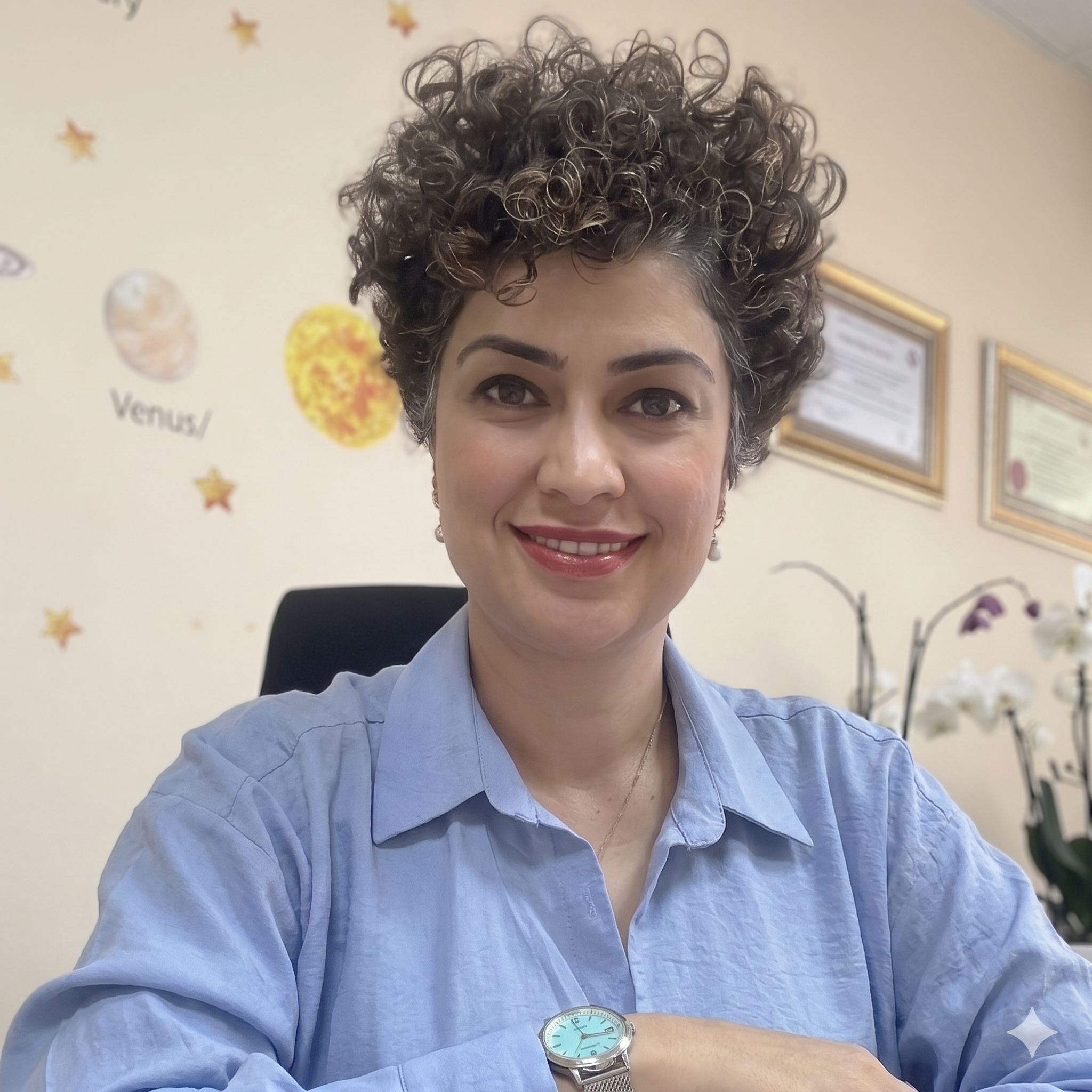
Doç. Dr. Mehtap Eroğlu
Associate Professor, Child and Adolescent Psychiatrist. Completed her specialty training in child and adolescent psychiatry at Ankara University. Over 15 years of clinical experience.
View Full ProfileRelated service: Neurodevelopmental assessment in Ankara
Related Articles

Gifted Children: Signs, Assessment and Support

Postnatal Depression and Its Effect on the Baby

What is Neurodevelopmental Assessment? Scientific Foundations of Child Development Monitoring

WISC-R Intelligence Test: Cognitive Assessment Guide for Children

Infant Psychiatrist Ankara: Early Mental Health and Development Guide