


Early diagnosis of autism spectrum disorder is critically important for maximizing a child's developmental potential. Comprehensive assessment is available in Ankara.
Autism Assessment in Ankara: An Early Diagnosis and Intervention Guide
Autism Assessment in Ankara
Early diagnosis of autism spectrum disorder is critically important for maximizing a child's developmental potential, and comprehensive assessment is being conducted by specialist child psychiatrists in Ankara. In recent years, awareness of autism spectrum disorder (ASD) has increased significantly in our country, as it has worldwide, yet early diagnosis rates have still not reached the desired level. According to Assoc. Prof. Mehtap Eroglu, the most critical factor in autism assessment is timing, because the first three years of life, when brain development is most rapid, are considered the golden window for intervention.
While the number of centers conducting autism assessments in Ankara grows each year, the importance of comprehensive, multidisciplinary evaluations should not be overlooked. Autism spectrum disorder is a neurodevelopmental condition characterized by difficulties in social communication and interaction and restricted, repetitive patterns of behavior. According to World Health Organization data, approximately one in every 100 children has autism spectrum disorder, and this rate is being identified with increasing accuracy as diagnostic methods improve.
The fundamental reason early diagnosis is so important is directly related to the concept of brain plasticity. In the first years of life, the brain possesses remarkable flexibility, and it is possible to strengthen neural connections through appropriate interventions. For this reason, minimizing wait times for families seeking autism assessments in Ankara is among the primary clinical objectives.
When Are Autism Symptoms First Noticed?
The timing of when autism symptoms are noticed varies depending on symptom severity, the child's individual developmental pace, and the family's level of awareness. According to Assoc. Prof. Mehtap Eroglu, it is frequently observed that some families sense that "something is different" very early on but hesitate to confirm this intuition. The delay between recognizing symptoms and initiating the professional evaluation process unfortunately remains a significant problem in our country.
Early Signs Between 0 and 12 Months
In the first year of life, autism symptoms are generally subtle and may be difficult to detect. However, with careful observation, certain early signs can be identified. Reduced eye contact is one of the most notable findings in this period. Typically developing infants focus on the caregiver's face from the first weeks of life and maintain eye contact for progressively longer durations. In infants at risk for autism, this behavior may be noticeably reduced.
Delayed or absent social smiling is another important early sign. While infants typically develop a social smile around two months of age, this behavior may be delayed in infants at risk for autism. Additionally, failure to respond to their name, reduced orienting toward caregivers, and limited imitation skills are among the indicators that warrant attention.
Assoc. Prof. Mehtap Eroglu emphasizes that in her clinical practice in Ankara, the detailed developmental history obtained from the family is of great importance in assessing infants in this age group. Atypical patterns in infants' motor developmental milestones, such as unusual movements during the crawling stage or motor planning difficulties, are also considered in the evaluation.
Differences in sensory responses may also be observed during this period. Some infants show hypersensitivity to sounds, while others may display marked indifference to environmental stimuli. Excessive responsiveness or, conversely, notable unresponsiveness to tactile stimulation are also among the early sensory differences observed.
Symptoms Between Ages 1 and 3
The period between one and three years of age is when autism symptoms generally become more prominent and families first begin seeking professional help. The most common reasons for referrals to child psychiatrists in Ankara in this age group are speech delays and differences in social interaction.
Language development delays are among the most prominent indicators of this period. While typically developing children say their first words around 12 months and begin forming two-word sentences between 18 and 24 months, in children with autism spectrum disorder these milestones may be delayed or follow an atypical trajectory. Echolalia, the repetition of heard words or sentences, is an important language feature that may be observed during this period.
Failure to develop joint attention skills is one of the most critical findings in this age group. Joint attention refers to the child pointing, showing, or directing their gaze to share an object or event with another person. While typically developing children acquire this skill between 9 and 14 months, the absence or notable delay of this behavior in children with autism spectrum disorder is striking.
Limited symbolic play skills are also among the important indicators of this period. Feeding a doll, using a box as a car, or creating imaginary scenarios are examples of symbolic play. Children with autism spectrum disorder may tend to engage with toys in a more sensory-exploratory or repetitive manner.
Repetitive behaviors and restricted interests also begin to become apparent during this period. Behaviors such as hand flapping, toe walking, lining up objects, or spinning them may be observed. Excessive attachment to routines and intense reactions to changes are also characteristic features of this period.
Symptoms After Age 3
After age three, autism symptoms may become more pronounced, particularly as participation in social settings increases. The start of daycare or preschool may be the first time many families notice differences in their child. The number of cases referred from preschool education institutions in Ankara has risen significantly in recent years as awareness has increased.
Difficulties in peer relationships are among the most notable findings in this age group. Children with autism spectrum disorder may struggle to interact with same-age peers, may prefer to play alone rather than join group activities, or may have difficulty understanding social rules. According to Assoc. Prof. Mehtap Eroglu, observing peer interaction during this period is an important component of the diagnostic process.
In the area of language and communication, pragmatic language difficulties may come to the forefront after age three. Even when the child has speaking ability, they may experience difficulties in maintaining reciprocal conversation, using abstract language, understanding humor, or grasping figurative expressions. Atypical features in voice tone and prosody also become more apparent during this period.
Sensory processing differences may more significantly affect the child's daily functioning after age three. Hypersensitivity or, conversely, notable insensitivity to certain sounds, textures, tastes, or smells may be present. These sensory differences may manifest in food selectivity, clothing preferences, and responses to environmental stimuli.
The Autism Assessment Process in Ankara
A comprehensive autism assessment in Ankara is a multidisciplinary process conducted under the coordination of a child psychiatrist. Assoc. Prof. Mehtap Eroglu emphasizes that the assessment process must be supported by standardized instruments and that clinical observation alone is not sufficient. A comprehensive assessment consists of multiple sessions and aims to understand the child's behaviors across different settings.
ADOS-2 Assessment
The Autism Diagnostic Observation Schedule, Second Edition (ADOS-2) is a semi-structured observational tool considered the gold standard in the assessment of autism spectrum disorder. ADOS-2 consists of five different modules based on the child's age and language level, and each module contains activities designed to elicit social communication behaviors.
The Toddler Module is designed for children aged 12 to 30 months and is used particularly in the assessment of early symptoms. Module 1 is for children who are preverbal or at the single-word level; Module 2 is for children who speak in phrases but have not yet developed fluent speech; Module 3 is for children and adolescents with fluent speech; and Module 4 is for fluent-speaking adolescents and adults.
While the number of professionals qualified to administer ADOS-2 in Ankara remains limited, the number of trained professionals in this field is growing. Assoc. Prof. Mehtap Eroglu notes that the ADOS-2 assessment is not merely a scoring system but also offers a rich clinical experience that allows the clinician to observe the child's social communication capacity in depth.
During ADOS-2 administration, various social presses and opportunities are presented to the child. For example, activities such as blowing up a balloon or blowing bubbles allow observation of the child's requesting behavior, joint attention, and social reciprocity. Imaginary play opportunities such as a birthday party scenario allow assessment of the child's symbolic play capacity.
Developmental Tests
An important component of autism assessment is the determination of the child's overall developmental level through standardized testing. Cognitive assessment, language assessment, and adaptive behavior assessment are integral parts of the diagnostic process.
For cognitive assessment, age-appropriate intelligence tests or developmental scales are used. The Bayley Scales of Infant Development are a widely preferred tool for evaluating the cognitive, language, and motor development of young children. For older children, standardized tests such as the Wechsler Intelligence Scales may be administered.
Language assessment involves the separate examination of receptive and expressive language skills. In children with autism spectrum disorder, receptive language skills may frequently lag behind expressive language skills, or the language profile may display an atypical pattern. Language assessments conducted in collaboration with speech and language therapists in Ankara are of great importance for intervention planning.
Tools such as the Vineland Adaptive Behavior Scales evaluate the child's daily living skills, communication capacity, socialization level, and motor skills based on caregiver report. This assessment provides critical information for determining the child's level of functioning and planning support needs.
Family Interview
The family interview is an indispensable component of the autism assessment. Assoc. Prof. Mehtap Eroglu uses the family interview not merely as a data collection tool but also as an opportunity to understand the family's concerns and ensure their active participation in the assessment process.
The ADI-R (Autism Diagnostic Interview-Revised) is a semi-structured interview form conducted with parents that provides detailed information about the child's early developmental history and current behaviors. The interview focuses on three core domains: social interaction, communication, and repetitive behaviors.
During the family interview, pregnancy and birth history, early developmental milestones, medical history, family history, and the child's behaviors across different settings are explored in detail. For families living in Ankara, observation reports from the child's daycare, preschool, or school settings are also included in the evaluation.
The family's cultural context, expectations, and resources are also assessed during the interview. According to Assoc. Prof. Mehtap Eroglu, identifying the family's strengths and ensuring their active participation in the intervention process are among the factors that directly affect long-term outcomes.
Differential Diagnosis
The differential diagnosis process in autism assessment is critically important for determining whether symptoms are attributable to autism spectrum disorder or to another condition. Language delay, attention deficit hyperactivity disorder, anxiety disorders, sensory processing differences, intellectual disability, and selective mutism can present symptoms similar to those of autism spectrum disorder.
A comprehensive differential diagnosis process in Ankara is conducted with contributions from professionals across different disciplines, including child neurologists, clinical psychologists, speech and language therapists, and audiologists, as needed, in addition to the child psychiatrist. Hearing tests, neurological evaluation, and genetic testing when indicated may be included as components of the differential diagnosis process.
Assoc. Prof. Mehtap Eroglu emphasizes that autism spectrum disorder frequently co-occurs with other neurodevelopmental and psychiatric conditions. Identifying co-occurring diagnoses ensures that the intervention plan is comprehensive and holistic. For example, in children with co-occurring autism spectrum disorder and attention deficit hyperactivity disorder, separate intervention strategies may need to be planned for each condition.
What Should Be Done After an Autism Diagnosis?
An autism diagnosis is the beginning of an emotionally challenging process for the vast majority of families. However, the diagnosis itself is not an endpoint but rather a starting point for providing the child with the most appropriate supports. According to Assoc. Prof. Mehtap Eroglu, informing the family, providing emotional support, and planning concrete steps should be carried out simultaneously in the post-diagnosis period.
Early Intervention Programs
Early intervention is the approach with the strongest evidence for improving developmental outcomes in children with autism spectrum disorder. Research consistently shows that intensive intervention programs initiated in the early period can produce meaningful gains in cognitive, language, social, and adaptive skills.
Applied Behavior Analysis (ABA)-based approaches are among the methods with the broadest evidence base in autism intervention. ABA uses learning principles to strengthen positive behaviors and promote the acquisition of adaptive skills. Early Intensive Behavioral Intervention (EIBI) programs are generally delivered at an intensity of 20 to 40 hours per week and adopt a systematic instructional approach.
Naturalistic developmental behavioral interventions have gained increasing attention in recent years. The ESDM (Early Start Denver Model) aims to support social communication skills by using the child's natural motivation through a play-based and relationship-focused approach. While the number of professionals trained in ESDM in Ankara remains limited, capacity-building efforts in this area continue.
Speech and language therapy is one of the core components of autism intervention programs. Augmentative and alternative communication methods can serve as an important communication tool for children whose verbal communication skills are limited. The Picture Exchange Communication System (PECS) and tablet-based communication applications are among the widely used methods in this field.
Occupational therapy and sensory integration approaches are used to support daily living skills and develop sensory regulation capacity in children with sensory processing differences. While access to these services in Ankara is relatively broader thanks to the advantages of being a major metropolitan area, it remains important to correctly identify centers that provide qualified and expert services.
The Special Education Process
In Turkey, children diagnosed with autism are entitled to receive special education services following an evaluation by a Guidance and Research Center (RAM). An individual or group education plan is created with the RAM report, and options including inclusive education, special education classrooms, or special education schools are considered based on the child's needs.
The Individualized Education Program (IEP) is a plan prepared in accordance with the child's strengths and developmental areas, and it is updated regularly. Active family participation in the IEP process is of great importance for the program's effectiveness. Assoc. Prof. Mehtap Eroglu recommends that families in Ankara attend IEP meetings regularly and closely monitor their child's educational process.
Inclusive education is a model that enables children with autism spectrum disorder to receive education alongside their peers in general education settings. Successful inclusive practices require teacher training, the presence of support staff, and appropriate environmental accommodations. The quality of inclusive practices in Ankara's schools varies from school to school, and it is important for families to make informed choices in this regard.
Family Support
The emotional process experienced by the family of a child diagnosed with autism constitutes an important dimension of the diagnostic journey. Emotional stages such as shock, denial, anger, sadness, and acceptance are experienced by many families. Assoc. Prof. Mehtap Eroglu notes that it is natural for families to go through this emotional process and that seeking professional support can ease this journey.
Parent education programs help families understand their child's needs and implement appropriate support strategies in daily life. Centers offering parent education groups and individual parent counseling services are available in Ankara. These programs enable the family to take an active role in the child's development and increase the effectiveness of the intervention process.
Sibling support is also a matter that should not be overlooked. Siblings of the child diagnosed with autism may have difficulty understanding the situation and may experience concerns about the distribution of attention. Informing siblings in an age-appropriate manner and meeting their emotional needs is important for maintaining family cohesion.
Family associations and support groups make it possible for families with similar experiences to come together and provide mutual support. Active autism family associations in Ankara serve important functions in both information sharing and advocacy activities.
Assoc. Prof. Mehtap Eroglu in Autism Assessment in Ankara
Assoc. Prof. Mehtap Eroglu, as a physician specializing in child and adolescent psychiatry in Ankara, adopts a comprehensive approach to the early diagnosis and assessment of autism spectrum disorder. The assessment process is conducted from a holistic perspective that takes into account the child's individual characteristics and the family's expectations, alongside standard diagnostic instruments.
For families who apply for autism assessment in Ankara, Assoc. Prof. Mehtap Eroglu first conducts a detailed clinical interview, followed by the application of standardized assessment instruments appropriate for the child's age and developmental level. Assessment results are shared with the family, and an individualized intervention plan is created based on the child's needs.
According to Assoc. Prof. Mehtap Eroglu, one of the most important principles in autism assessment is the recognition that every child is unique. The autism spectrum is a broad range, and every child's strengths, areas of difficulty, and support needs differ from one another. Therefore, the assessment report should include not only the diagnostic label but also the child's comprehensive profile and concrete recommendations.
Risks of Late Diagnosis
Late diagnosis of autism spectrum disorder means that the child's developmental potential cannot be fully assessed and the opportunity for early intervention is missed. Research consistently shows that children who begin early intervention achieve greater gains in cognitive, language, and social skills.
In children who receive a late diagnosis, the secondary effects of being misunderstood for an extended period and not receiving appropriate support may be observed. Anxiety disorders, depression, behavioral problems, and low self-esteem are co-occurring conditions frequently encountered in late-diagnosed children and adolescents, particularly those with higher functional abilities.
Disruptions in the educational process are also an important consequence of late diagnosis. Children who struggle in general education settings without appropriate educational accommodations may experience academic failure and school adjustment problems. The effectiveness of inclusive education practices in Ankara's educational institutions is directly related to the timing of diagnosis.
Assoc. Prof. Mehtap Eroglu recommends that families initiate the professional evaluation process rather than adopting a wait-and-see approach when they have any developmental concerns. Early assessment, if a diagnosis is made, allows for early intervention; if autism is not identified, it is still of great value for investigating the causes of existing developmental differences and planning appropriate supports.
Expert Opinion
According to Assoc. Prof. Mehtap Eroglu, autism awareness in Ankara and across Turkey has shown a noteworthy increase over the past decade. However, increased awareness does not always parallel improvements in early diagnosis rates. Families delaying the assessment process due to social pressures, cultural beliefs, or lack of information remains a significant barrier.
One important point to consider in autism assessment is that autism may present differently in girls. Girls may conceal their symptoms more effectively through social mimicry and masking behaviors, leading to delayed diagnosis. The fact that autism diagnosis in girls in Ankara occurs later than in boys points to the need for increased awareness in this area.
The contribution of technology to the diagnostic process is also growing. Eye-tracking technology, artificial intelligence-assisted screening tools, and digital phenotyping methods are promising areas of research for the early detection of autism. While the integration of these technologies into clinical practice remains limited, they are expected to be more widely used as supportive diagnostic tools in the near future.
Assoc. Prof. Mehtap Eroglu always recommends evidence-based approaches to families in Ankara and informs them about methods that lack a scientific foundation. Many unproven and potentially harmful methods are marketed in the field of autism, and it is of great importance for families to be aware of this.
In Summary
Early diagnosis of autism spectrum disorder is a critical step in supporting the child's developmental potential and improving quality of life. Comprehensive autism assessment in Ankara is a meticulous process conducted with the use of standardized diagnostic instruments, a multidisciplinary approach, and active family participation. Symptoms identified early, timely assessment, and early initiation of appropriate intervention programs can create meaningful differences in the child's cognitive, social, and adaptive development.
According to Assoc. Prof. Mehtap Eroglu, one of the most valuable contributions families in Ankara can make for their children is to take their developmental concerns seriously and initiate the professional evaluation process without delay. Autism is not a disease but a neurodevelopmental difference, and understanding this difference early on allows for the support of the child's strengths and the provision of appropriate assistance in areas where they experience difficulty.
Every child is unique, and every child's developmental journey is their own. An autism diagnosis is part of this journey, and with the right supports, every child can realize their own potential. Specialist child psychiatrists in Ankara continue to stand alongside families and children throughout this process.
For comprehensive information on autism spectrum disorder symptoms, levels and treatment approaches, see our guide to what autism is.
You can find information about the neurodevelopmental assessment service that autism evaluation in Ankara involves, and request an appointment.
Frequently Asked Questions
Otizm belirtileri en erken kaç aylıkken fark edilebilir?
Otizm belirtileri bazı durumlarda 6-12 ay arasında fark edilebilir. Göz kontağında azalma, ismine tepki vermeme ve sosyal gülümsemenin gecikmesi gibi erken işaretler dikkatli gözlemle tespit edilebilir. Ancak kesin tanı genellikle 18-24 ay sonrasında konulmaktadır.
Ankara'da otizm değerlendirmesi için hangi uzmana başvurmalıyım?
Ankara'da otizm değerlendirmesi için çocuk ve ergen psikiyatristi veya çocuk nöroloğuna başvurabilirsiniz. Kapsamlı bir değerlendirme için ADOS-2 gibi standart tanı araçlarını uygulama yetkinliğine sahip bir çocuk psikiyatristi tercih edilmesi önerilmektedir.
ADOS-2 testi nedir ve nasıl uygulanır?
ADOS-2 (Otizm Tanı Gözlem Ölçeği-2), otizm değerlendirmesinde altın standart kabul edilen yarı yapılandırılmış bir gözlem aracıdır. Çocuğun yaşına ve dil düzeyine uygun modül seçilerek, oyun ve sosyal etkileşim etkinlikleri aracılığıyla çocuğun sosyal iletişim davranışları gözlemlenir. Uygulama yaklaşık 40-60 dakika sürer.
Çocuğum geç konuşuyor, bu otizm belirtisi olabilir mi?
Dil gecikmesi otizm spektrum bozukluğunun belirtilerinden biri olabilir, ancak tek başına otizm anlamına gelmez. Dil gecikmesinin birçok farklı nedeni olabilir. Önemli olan, dil gecikmesinin yanı sıra göz kontağı, sosyal etkileşim, ortak dikkat ve oyun becerilerinin de değerlendirilmesidir. Kaygılarınız varsa profesyonel değerlendirme önerilir.
Otizm tanısı almak için Ankara'da ne kadar beklemem gerekir?
Bekleme süreleri kuruma ve uzmana göre değişiklik gösterir. Kapsamlı bir otizm değerlendirmesi genellikle birden fazla seanstan oluşur ve tüm süreç birkaç hafta içinde tamamlanabilir. Erken başvuru yapmanız, bekleme süresini kısaltmanıza yardımcı olacaktır.
Otizm tanısı sonrası ilk adım ne olmalıdır?
Tanı sonrası ilk adım, çocuğunuzun ihtiyaçlarına uygun bir müdahale planının oluşturulmasıdır. Rehberlik ve Araştırma Merkezi'ne (RAM) başvurarak özel eğitim raporu alınması, erken müdahale programlarına ve dil terapisine başlanması öncelikli adımlar arasındadır. Aile olarak bilgilenmek ve duygusal destek almak da bu sürecin önemli bir parçasıdır.
Otizm ile dikkat eksikliği arasındaki fark nedir?
Otizm spektrum bozukluğu, sosyal iletişimde güçlükler ve sınırlı-tekrarlayıcı davranışlarla karakterize edilirken, dikkat eksikliği ve hiperaktivite bozukluğu dikkat sürdürme, dürtüsellik ve hiperaktivite belirtileriyle kendini gösterir. Her iki durum birlikte de görülebilir ve kapsamlı bir değerlendirme ile ayırt edilebilir.
Kız çocuklarında otizm farklı mı görünür?
Evet, kız çocuklarında otizm belirtileri farklı bir görünüm sergileyebilir. Kız çocukları sosyal taklitçilik ve maskeleme davranışları nedeniyle belirtilerini daha iyi gizleyebilir, bu da tanının gecikmesine yol açabilir. Sınırlı ilgi alanları daha sosyal kabul gören konulara yönelik olabilir ve sosyal güçlükler daha ince kalabilir.
Ankara'da otizm için hangi terapi yöntemleri uygulanmaktadır?
Ankara'da otizm için kanıta dayalı pek çok müdahale yöntemi uygulanmaktadır. Uygulamalı Davranış Analizi (ABA), Erken Başlangıç Denver Modeli (ESDM), dil ve konuşma terapisi, ergoterapi ve sosyal beceri grupları bunlar arasındadır. Müdahale planı çocuğun bireysel ihtiyaçlarına göre oluşturulmalıdır.
Otizm tanısı kesin midir, zamanla değişir mi?
Otizm spektrum bozukluğu tanısı, kapsamlı bir değerlendirme sonucunda konulan klinik bir tanıdır. Erken dönemde konulan tanıların büyük çoğunluğu zaman içinde doğrulanır. Ancak özellikle çok erken yaşta yapılan değerlendirmelerde, gelişim seyrine bağlı olarak tanının güncellenmesi gerekebilir. Düzenli takip bu nedenle önemlidir.
References
- American Psychiatric Association. (2013). Diagnostic and Statistical Manual of Mental Disorders (5th ed.). Arlington, VA: American Psychiatric Publishing.
- Lord, C., Rutter, M., DiLavore, P. C., Risi, S., Gotham, K., & Bishop, S. L. (2012). Autism Diagnostic Observation Schedule, Second Edition (ADOS-2). Torrance, CA: Western Psychological Services.
- Rutter, M., Le Couteur, A., & Lord, C. (2003). Autism Diagnostic Interview-Revised (ADI-R). Los Angeles, CA: Western Psychological Services.
- Zwaigenbaum, L., Bauman, M. L., Choueiri, R., et al. (2015). Early Identification of Autism Spectrum Disorder: Recommendations for Practice and Research. Pediatrics, 136(Suppl 1), S10-S40.
- Rogers, S. J., & Dawson, G. (2010). Early Start Denver Model for Young Children with Autism. New York: Guilford Press.
- World Health Organization. (2023). Autism Spectrum Disorders Fact Sheet. WHO.
- Lovaas, O. I. (1987). Behavioral treatment and normal educational and intellectual functioning in young autistic children. Journal of Consulting and Clinical Psychology, 55(1), 3-9.
- Lai, M. C., Lombardo, M. V., Auyeung, B., Chakrabarti, B., & Baron-Cohen, S. (2015). Sex/Gender Differences and Autism: Setting the Scene for Future Research. Journal of the American Academy of Child & Adolescent Psychiatry, 54(1), 11-24.
- Türkiye Cumhuriyeti Sağlık Bakanlığı. (2021). Otizm Spektrum Bozukluğu Ulusal Eylem Planı. Ankara: Sağlık Bakanlığı Yayınları.
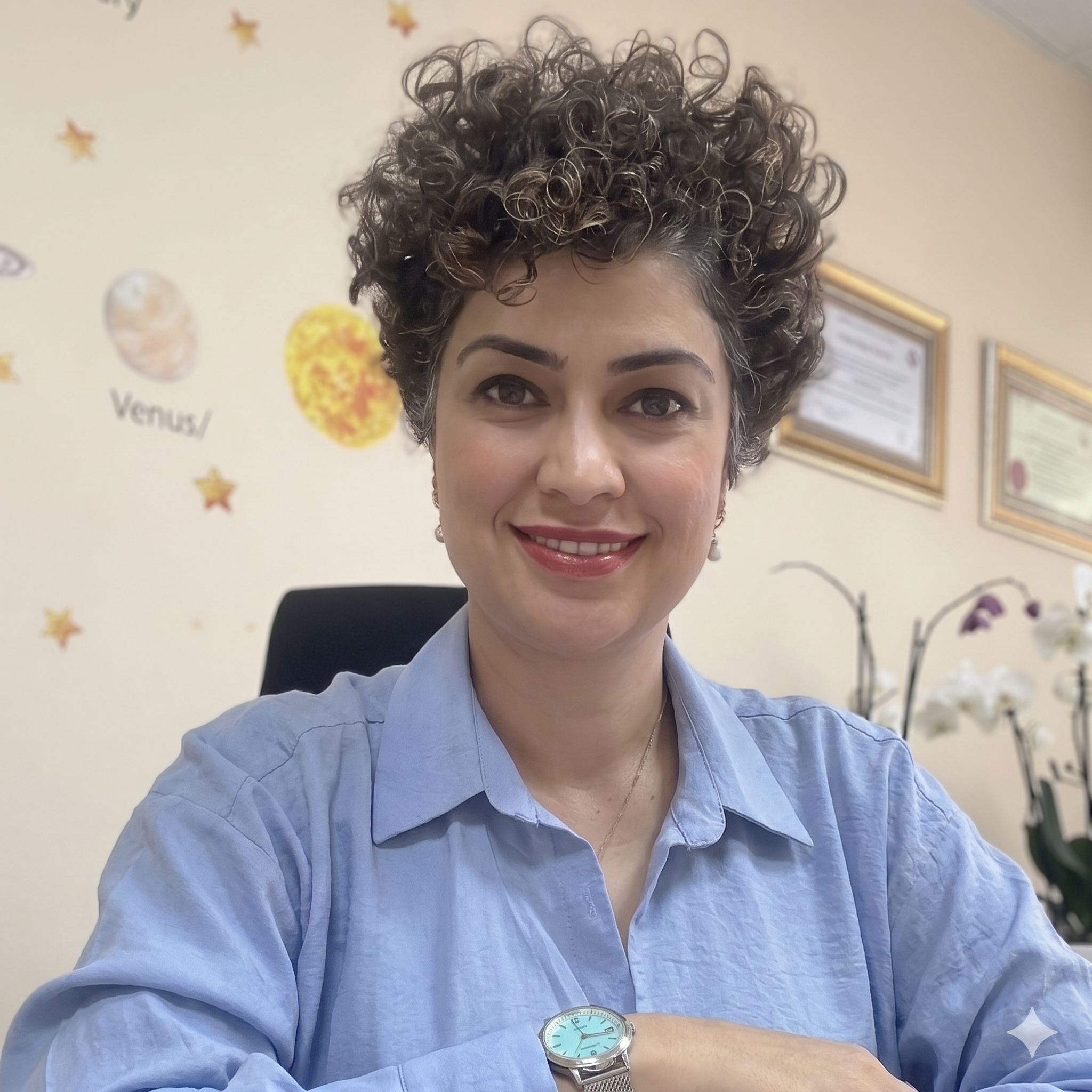
Doç. Dr. Mehtap Eroğlu
Associate Professor, Child and Adolescent Psychiatrist. Over 15 years of clinical experience. Ankara University Faculty of Medicine graduate.
View Full ProfileRelated Articles

What Is ADOS-2? The Gold Standard in Autism Diagnosis

Autism Spectrum Disorder: Comprehensive Parent Guide

Abdominal Pain and Headache in Children: Psychosomatic Symptoms

Gifted Children: Signs, Assessment and Support

Substance Use in Adolescents: A Guide for Parents