


ADHD is one of the most common reasons for referral to child psychiatrists in Ankara, affecting approximately 5-7% of school-age children.
ADHD Treatment in Ankara: A Comprehensive Guide
Attention Deficit Hyperactivity Disorder (ADHD) is one of the most common reasons for referral to child and adolescent psychiatrists in Ankara, affecting approximately 5 to 7 percent of school-age children. This means that, on average, one to two children in every classroom in Ankara's primary and secondary schools are living with ADHD. However, understanding that ADHD is not limited to simply being a "hyperactive child" but rather involves comprehensive differences in attention regulation, impulse control, and executive functions is the first step toward receiving appropriate treatment.
According to Assoc. Prof. Mehtap Eroglu, the vast majority of children diagnosed with ADHD can lead highly successful lives academically, socially, and emotionally when they receive timely and proper intervention. In her clinical practice as a child psychiatrist in Ankara, she emphasizes that cases identified early and addressed with evidence-based methods have a very favorable long-term prognosis.
This guide has been prepared for families living in Ankara who observe ADHD symptoms in their child. It aims to offer a comprehensive perspective ranging from the evaluation process to treatment options, from common mistakes to practical recommendations.
When Are ADHD Symptoms First Noticed?
ADHD symptoms often provide clues during the preschool period, but most families develop significant awareness during the first or second year of primary school. The reason for this is that the structured school environment significantly increases the expected attention span, rule compliance, and self-regulation skills demanded of the child. When the child cannot meet these expectations, teacher feedback and academic difficulties serve as warning signs for the family.
According to Assoc. Prof. Mehtap Eroglu, ADHD symptoms should be evaluated across three main categories:
The first category, inattention symptoms, manifests as the child having difficulty focusing on assigned tasks, being easily distracted by external stimuli, frequently losing belongings, forgetting daily routines, and avoiding tasks requiring sustained mental effort. These children are often wrongly labeled as "lazy" or "indifferent," when the problem is not one of motivation but rather a difference in the brain's attention regulation mechanism.
The second category, hyperactivity symptoms, presents as the child being constantly in motion, getting up when expected to remain seated, talking excessively, being unable to wait their turn, and behaving as if driven by a motor. In Ankara's schools, teachers often interpret these symptoms as "misbehavior"; however, an experienced child psychiatrist recognizes that these behaviors are involuntary and have a neurological basis.
The third category, impulsivity symptoms, is observed as the child answering before a question is finished, interrupting others, acting without considering consequences, and displaying impatience. These symptoms can create significant difficulties in social relationships and negatively affect the child's peer interactions.
Child psychiatrists practicing in Ankara recommend a comprehensive evaluation when symptoms have persisted for at least six months, are observed in more than one setting (home, school, social environment), and impair functioning appropriate for the child's age. When symptoms appear in only a single setting, this may also point to causes other than ADHD, making the differential diagnosis process critically important.
One point that deserves particular attention is that ADHD is frequently overlooked in girls. In girls, the hyperactivity component may be less prominent and may present as the predominantly inattentive type. These children quietly daydream during class, keep disorganized notebooks, and struggle to complete assignments, yet they go unnoticed by teachers because they do not cause problems in the classroom. Assoc. Prof. Mehtap Eroglu places special emphasis on raising awareness of ADHD in girls at her clinic in Ankara.
The ADHD Evaluation Process in Ankara
ADHD evaluation in Ankara is a multidimensional and systematic process conducted by an experienced child psychiatrist. ADHD is a diagnosis too complex to be made through a single test or a single interview and requires a holistic approach.
Clinical Interview
The most fundamental and essential component of the evaluation process is the clinical interview. The initial consultation with a child psychiatrist in Ankara typically lasts 45 to 60 minutes and consists of several stages.
In the first stage, a meeting with the family is conducted. The child's developmental history, pregnancy and birth process, motor and language development, toilet training, sleep patterns, and eating habits are thoroughly explored. The family's history regarding ADHD or other psychiatric disorders is also assessed, as ADHD is known to have a strong genetic component. Approximately 25 to 30 percent of parents may also exhibit ADHD symptoms.
In the second stage, an individual session with the child is conducted. Age-appropriate communication techniques are used; play observation is employed for younger children, while a semi-structured interview format is used for older children. The child's attention span, task-switching ability, impulse control, emotional regulation capacity, and social interaction skills are directly observed.
Assoc. Prof. Mehtap Eroglu emphasizes that the clinical interview cannot be replaced by any test. An experienced child psychiatrist directly observes during the interview whether the child's attention wanders, whether they jump from topic to topic, their activity level, and their emotional responses. These observations form the backbone of the diagnostic process.
MOXO and Neuropsychological Tests
Computer-based attention tests are widely used in ADHD evaluation at modern child psychiatry clinics in Ankara. The most well-known of these tests is the MOXO attention performance test. The MOXO test objectively measures the child's attention, timing, impulsivity, and hyperactivity parameters and compares them against age-based norms.
However, according to Assoc. Prof. Mehtap Eroglu, MOXO and similar tests are not diagnostic on their own. These tests should be used to support data obtained from the clinical interview and to measure treatment response during follow-up. A child may perform normally on an attention test yet experience significant difficulties in real-life conditions, or the reverse may also be true.
Neuropsychological assessment is a more comprehensive process and is particularly applied when there are co-occurring learning difficulties, questions about intellectual capacity, or executive function impairments. This assessment reveals the child's cognitive profile in detail and guides treatment planning.
Teacher and Family Assessment
One of the most important elements that enhance the reliability of an ADHD diagnosis is the collection of data from multiple information sources. A child psychiatrist in Ankara always requests teacher feedback during the diagnostic process.
The Conners Teacher and Parent Rating Scales are the most widely used standardized assessment tools in Ankara. These scales allow the child's attention, hyperactivity, impulsivity, and oppositional behaviors to be evaluated in both home and school settings. These forms, completed independently by the teacher and the parent, are compared to examine the cross-setting consistency of symptoms.
Assoc. Prof. Mehtap Eroglu notes that establishing close collaboration with schools in Ankara significantly increases diagnostic accuracy. The teacher's classroom observations, the child's comparative performance relative to peers, and academic progress reports are valuable data that complete the clinical picture.
ADHD Treatment Options
ADHD treatment should be addressed not through a single method but through a multicomponent approach tailored to the child's individual needs. The treatment plan prepared by a child psychiatrist in Ankara is personalized taking into account the child's age, symptom severity, co-occurring conditions, and family preferences.
Behavioral Interventions
Behavioral interventions are recommended as first-line treatment, particularly for preschool-age children and cases with mild symptoms. These interventions aim to restructure the child's environment and reinforce positive behaviors.
The core components of behavioral interventions include establishing structured daily routines, breaking tasks into small steps, using visual reminders, developing reward systems, and setting consistent boundaries. These methods help the child develop self-regulation skills over time.
Cognitive behavioral therapy (CBT) methods are also used in ADHD treatment at child psychiatry clinics in Ankara. CBT offers practical tools for planning skills, time management, organizational strategies, and emotional regulation, particularly for adolescent patients.
According to Assoc. Prof. Mehtap Eroglu, the success of behavioral interventions depends largely on the family's consistency and commitment. Strategies applied only at the clinic are not sufficient; transferring these strategies to the home and school environment is vitally important.
Medication Treatment
Medication becomes relevant when ADHD is moderate to severe in presentation and symptoms significantly impair the child's academic and social functioning. ADHD medications prescribed by a child psychiatrist in Ankara are among the most extensively researched psychiatric medications worldwide, and their efficacy is supported by strong scientific evidence.
Medications used in ADHD treatment are fundamentally divided into two groups. The first group, stimulant medications (methylphenidate derivatives), works by regulating dopamine and norepinephrine levels in the brain's prefrontal cortex, improving attention, focus, and impulse control. These medications are available in short-acting, intermediate-acting, and long-acting formulations, and the appropriate form is selected based on the child's daily needs.
The second group, non-stimulant medications (such as atomoxetine and guanfacine), is used as an alternative when stimulant medications are not appropriate or cannot be tolerated. These medications have a different mechanism of action and generally require several weeks of regular use to achieve full effect.
Assoc. Prof. Mehtap Eroglu notes that families frequently feel anxious about medication treatment and that the vast majority of these concerns stem from lack of information. At her clinic in Ankara, comprehensive information is provided to the family before starting medication; the drug's mechanism of action, expected benefits, possible side effects, and monitoring plan are explained in detail. Medication is never sufficient on its own and must always be conducted alongside behavioral interventions, parent education, and school collaboration.
Dose adjustment is an individualized process. Treatment begins at a low dose, response and side effects are carefully monitored, and gradual increases are made until the optimal dose is reached. A child psychiatrist in Ankara schedules frequent meetings with the family during this process to closely monitor treatment response.
Parent Education Programs
One of the most critical components of ADHD treatment is parent education. Research shows that symptoms improve more rapidly and more sustainably in children whose families participate in parent education programs.
Parent education programs aim to help mothers and fathers understand ADHD, accurately interpret their child's behaviors, and develop effective parenting strategies. Key skills taught in these programs include positive reinforcement techniques, consistent discipline methods, effective communication skills, conflict resolution strategies, and stress management.
Assoc. Prof. Mehtap Eroglu places special emphasis on parent education at her clinic in Ankara. She provides guidance to help families discover their ADHD-diagnosed children's strengths, preserve the child's self-esteem, and maintain positive family relationships. Being a parent of a child with ADHD can be emotionally challenging, and she emphasizes that parents must also attend to their own emotional well-being.
School Collaboration
Involving the school environment, where the child with ADHD spends most of their day, in the treatment process significantly increases the chances of success. Child psychiatrists in Ankara communicate with school guidance services when necessary to ensure the child benefits from classroom accommodations.
These accommodations may include seating the child at the front of the classroom, extending exam durations, breaking assignments into smaller parts, using visual and auditory reminders, and providing movement breaks. Such classroom adaptations allow the child to make the best use of their existing capacity.
According to Assoc. Prof. Mehtap Eroglu, she has observed a notable increase in ADHD awareness at schools in Ankara in recent years. However, she notes that in some schools ADHD is still perceived as a disciplinary problem and children face punitive approaches, drawing attention to the importance of training school personnel.
Assoc. Prof. Mehtap Eroglu's Approach to ADHD Treatment in Ankara
Assoc. Prof. Mehtap Eroglu, as a child psychiatrist in Ankara, adopts an evidence-based, holistic, and family-centered approach to ADHD treatment. The core principles of this approach are as follows:
An individualized treatment plan starts from the reality that every child is different. A unique treatment roadmap is drawn for each patient, taking into account the severity of ADHD symptoms, co-occurring conditions, the child's cognitive profile, family dynamics, and characteristics of the school environment.
The principle of multidimensional assessment means that diagnosis is not based solely on the clinical interview or solely on tests. Multiple information sources and evaluation methods are combined to create a holistic clinical picture.
Family involvement is central at every stage of treatment. The guiding principle is that lasting improvement cannot be achieved without informing and educating the family and actively involving them in the treatment process.
Under the principle of regular monitoring and evaluation, treatment response is reviewed at set intervals, necessary adjustments are made, and the treatment plan is updated according to the child's developmental stage. Because ADHD is a chronic condition, long-term follow-up is of great importance.
The principle of focusing on strengths holds that children with ADHD should not be defined solely by their difficulties. These children frequently possess strengths such as creativity, energy, curiosity, willingness to take risks, and hyperfocus. The discovery and support of these strengths is a priority during the treatment process.
Common Mistakes in ADHD Treatment
Certain widespread mistakes frequently encountered by child psychiatrists practicing in Ankara can negatively affect the treatment process:
The first mistake is delaying diagnosis. Some families postpone seeking professional help with the expectation that the child "will grow out of it." Yet early intervention is critically important for preventing academic setbacks and emotional distress. Waiting years to obtain an evaluation from a child psychiatrist in Ankara can lead to erosion of the child's self-esteem and the emergence of secondary problems.
The second mistake is attempting to treat ADHD solely with medication. Medication is effective in managing ADHD symptoms, but long-term success is not possible without behavioral strategies, parent education, and school support.
The third mistake is self-diagnosing or self-treating based on information found on the internet. An ADHD diagnosis can only be made by a specialist child psychiatrist. Information obtained online may serve as a guide but cannot replace professional evaluation.
The fourth mistake is administering medication irregularly. Some families stop their child's medication on their own during weekends or holiday periods. Such irregular use reduces treatment effectiveness and can cause unwanted fluctuations in the child. Every decision regarding medication should be made in consultation with the child's psychiatrist in Ankara.
The fifth mistake is constantly criticizing and punishing a child with ADHD. These children already receive more negative feedback than their peers. Constant criticism seriously damages the child's self-esteem and creates a foundation for secondary issues such as anxiety and depression.
According to Assoc. Prof. Mehtap Eroglu, most of these mistakes stem from lack of information. Educating families about ADHD from accurate and reliable sources is one of the most important parts of the treatment process.
Practical Recommendations for Families
Concrete recommendations that can be implemented in daily life for families with a child diagnosed with ADHD support the treatment process and improve quality of life within the family.
Create a structured home environment. Children with ADHD benefit greatly from routine and predictability. Morning routines, homework time, mealtimes, and bedtimes should be kept as consistent as possible. Using visual schedules and reminders supports the child's independence.
Break tasks into small steps. General instructions like "clean your room" can be overwhelming for a child with ADHD. Instead, give specific, sequential instructions such as "first make your bed, then put your toys in their box."
Prioritize positive reinforcement. Notice and appreciate the things your child does well. Create a reward system, but remember that rewards do not need to be material. Spending quality time together, offering choices, or planning a special activity are powerful reinforcers.
Make time for physical activity. Regular physical activity is a proven method for alleviating ADHD symptoms. Ankara's parks and sports facilities offer rich opportunities in this regard. Swimming, cycling, martial arts, or team sports help regulate the child's energy level.
Limit screen time. Excessive screen use can worsen ADHD symptoms. Set age-appropriate limits and offer appealing alternatives for screen-free activities.
Pay attention to sleep routines. Insufficient sleep significantly worsens ADHD symptoms. Ensure your child gets adequate sleep for their age, establish a calming bedtime routine, and prevent screen use in the bedroom.
Make time for yourself as well. Being a parent of a child with ADHD can be exhausting and stressful. Attending to your own physical and mental health will help you be a more patient and effective parent for your child. Do not hesitate to seek professional support when needed.
Expert Opinion
Assoc. Prof. Mehtap Eroglu, drawing on years of clinical experience as a child psychiatrist in Ankara, emphasizes the following:
ADHD is not a disease but rather a different way the brain functions. When this difference is properly understood and appropriately supported, it does not prevent the child from fully realizing their potential. Around the world, many successful individuals among scientists, artists, entrepreneurs, and athletes have been diagnosed with ADHD.
The most important step in ADHD treatment in Ankara is for the family to reach a trustworthy and qualified child psychiatrist. The vast majority of children evaluated and treated with evidence-based methods lead satisfying lives academically, socially, and emotionally.
Patience and continuity are essential in treatment. ADHD is a chronic condition, and the treatment process may continue for months, sometimes years. Yet with each passing day, the child's self-regulation skills develop, coping strategies strengthen, and quality of life improves.
Finally, it should be noted that ADHD treatment improves not only the child's life but that of the entire family. During the treatment process, family communication strengthens, stress levels decrease, and the parent-child relationship transforms in a positive direction. Families in Ankara should know that they are not alone in this process and remember that seeking professional support is not a sign of weakness but of awareness.
In Summary
ADHD is one of the most common neuropsychiatric conditions of childhood in Ankara and throughout Turkey. With early diagnosis, evidence-based treatment methods, and a holistic approach, children with ADHD can fully realize their potential.
A comprehensive evaluation process conducted by a child psychiatrist in Ankara forms the foundation of an accurate diagnosis. Treatment should be planned with a multicomponent approach encompassing behavioral interventions, medication when necessary, parent education, and school collaboration.
According to Assoc. Prof. Mehtap Eroglu, the keys to success in ADHD treatment are an individualized approach, family involvement, regular monitoring, and focusing on the child's strengths. For families living in Ankara who observe ADHD symptoms in their child, consulting a specialist child psychiatrist to begin this journey is the most valuable step they can take.
For detailed information on ADHD symptoms, subtypes, diagnostic criteria and causes, see our guide to what ADHD is.
For your child's ADHD assessment in Ankara, you can review our child psychiatry service and request an appointment.
Frequently Asked Questions
DEHB tanısı kaç yaşından itibaren konulabilir?
DEHB tanısı genellikle 6 yaşından itibaren güvenilir şekilde konulabilir. Ancak belirtiler okul öncesi dönemde de gözlemlenebilir ve 4 yaşından itibaren klinik değerlendirme yapılabilir. Ankara'da çocuk psikiyatristi ile erken dönemde görüşmek, tanı sürecini hızlandırabilir.
Ankara'da DEHB değerlendirmesi ne kadar sürer?
Kapsamlı bir DEHB değerlendirmesi genellikle 2-3 seans sürer. İlk seansta aile ve çocukla görüşme yapılır, ikinci seansta gerekli testler uygulanır ve üçüncü seansta sonuçlar aileyle paylaşılır. Süreç ortalama 2-4 haftada tamamlanır.
DEHB ilaçları bağımlılık yapar mı?
DEHB tedavisinde kullanılan ilaçlar, çocuk psikiyatristi tarafından uygun dozda ve tıbbi gözetim altında kullanıldığında bağımlılık riski son derece düşüktür. Araştırmalar, tedavi edilen DEHB'li bireylerde madde kullanım riskinin tedavi edilmeyenlere kıyasla daha düşük olduğunu göstermektedir.
DEHB'li çocuğum okula gitmek istemiyor, ne yapmalıyım?
Okul reddi DEHB'li çocuklarda akademik zorluklar, sosyal sorunlar veya eşlik eden kaygı bozukluğundan kaynaklanabilir. Bu durumda çocuğunuzun çocuk psikiyatristini bilgilendirmeniz ve okul rehberlik servisiyle işbirliği yapmanız önemlidir.
DEHB tedavisinde diyet değişikliği işe yarar mı?
Şeker veya katkı maddelerinin DEHB'ye neden olduğuna dair güçlü bilimsel kanıt yoktur. Ancak dengeli beslenme, düzenli uyku ve fiziksel aktivite genel sağlığı destekler ve belirtilerin yönetimine katkıda bulunabilir. Eliminasyon diyetleri yalnızca uzman gözetiminde denenmelidir.
Ankara'da DEHB tedavisi için hangi uzmana başvurmalıyım?
DEHB tanı ve tedavisi çocuk ve ergen psikiyatristi tarafından yapılmalıdır. Çocuk psikologları ve pedagoglar destekleyici terapi sunabilir; ancak tanı koyma ve ilaç tedavisi yalnızca çocuk psikiyatristinin yetki alanındadır.
DEHB büyüyünce geçer mi?
DEHB belirtileri yaşla birlikte değişim gösterir. Hiperaktivite ergenlikte azalma eğilimindedir; ancak dikkatsizlik ve yürütücü işlev güçlükleri yetişkinlikte devam edebilir. Hastaların yaklaşık yüzde 50-60'ında belirtiler erişkinlikte de sürer.
DEHB'li çocuğuma nasıl ders çalıştırmalıyım?
Kısa çalışma periyotları (20-25 dakika) ve aralarına molalar koyun. Sessiz ve düzenli bir çalışma ortamı sağlayın. Görevleri küçük parçalara bölün, görsel materyaller kullanın ve çocuğun ilgi alanlarıyla konuları ilişkilendirmeye çalışın.
Ankara'da DEHB tedavisi ne kadar sürer?
DEHB tedavi süresi bireysel farklılıklara göre değişir. Davranışsal müdahaleler genellikle en az 6-12 ay sürer. İlaç tedavisi gereken vakalarda tedavi yıllar boyunca devam edebilir. Ankara'da çocuk psikiyatristi düzenli kontroller aracılığıyla tedavinin süresini ve içeriğini belirler.
DEHB ile Otizm Spektrum Bozukluğu aynı anda olabilir mi?
Evet, DEHB ve Otizm Spektrum Bozukluğu birlikte görülebilir. Araştırmalar, DEHB'li çocukların yaklaşık yüzde 20-50'sinde otizm özelliklerinin de bulunabileceğini göstermektedir. Her iki durumun birlikte değerlendirilmesi, tedavi planının doğru oluşturulması açısından kritik öneme sahiptir.
References
- American Psychiatric Association. (2022). Diagnostic and Statistical Manual of Mental Disorders (DSM-5-TR). Washington, DC: APA Publishing.
- Barkley, R.A. (2020). Taking Charge of ADHD: The Complete, Authoritative Guide for Parents (4th ed.). New York: Guilford Press.
- National Institute for Health and Care Excellence (NICE). (2019). Attention deficit hyperactivity disorder: diagnosis and management. NICE Guideline NG87.
- Faraone, S.V., Banaschewski, T., Coghill, D., et al. (2021). The World Federation of ADHD International Consensus Statement. Neuroscience & Biobehavioral Reviews, 128, 789-818.
- Türkiye Çocuk ve Ergen Psikiyatrisi Derneği. (2023). DEHB Klinik Uygulama Kılavuzu. Ankara.
- Cortese, S., Adamo, N., Del Giovane, C., et al. (2018). Comparative efficacy and tolerability of medications for attention-deficit hyperactivity disorder in children, adolescents, and adults. The Lancet Psychiatry, 5(9), 727-738.
- Danielson, M.L., Bitsko, R.H., Holbrook, J.R., et al. (2018). Prevalence of parent-reported ADHD diagnosis and associated treatment among U.S. children and adolescents. Journal of Clinical Child & Adolescent Psychology, 47(2), 199-212.
- Sonuga-Barke, E.J., Brandeis, D., Cortese, S., et al. (2013). Nonpharmacological interventions for ADHD: systematic review and meta-analyses. American Journal of Psychiatry, 170(3), 275-289.
- Ercan, E.S., Kandulu, R., Uslu, E., et al. (2013). Prevalence and diagnostic stability of ADHD and ODD in Turkish children. Turkish Journal of Pediatrics, 55(6), 639-647.
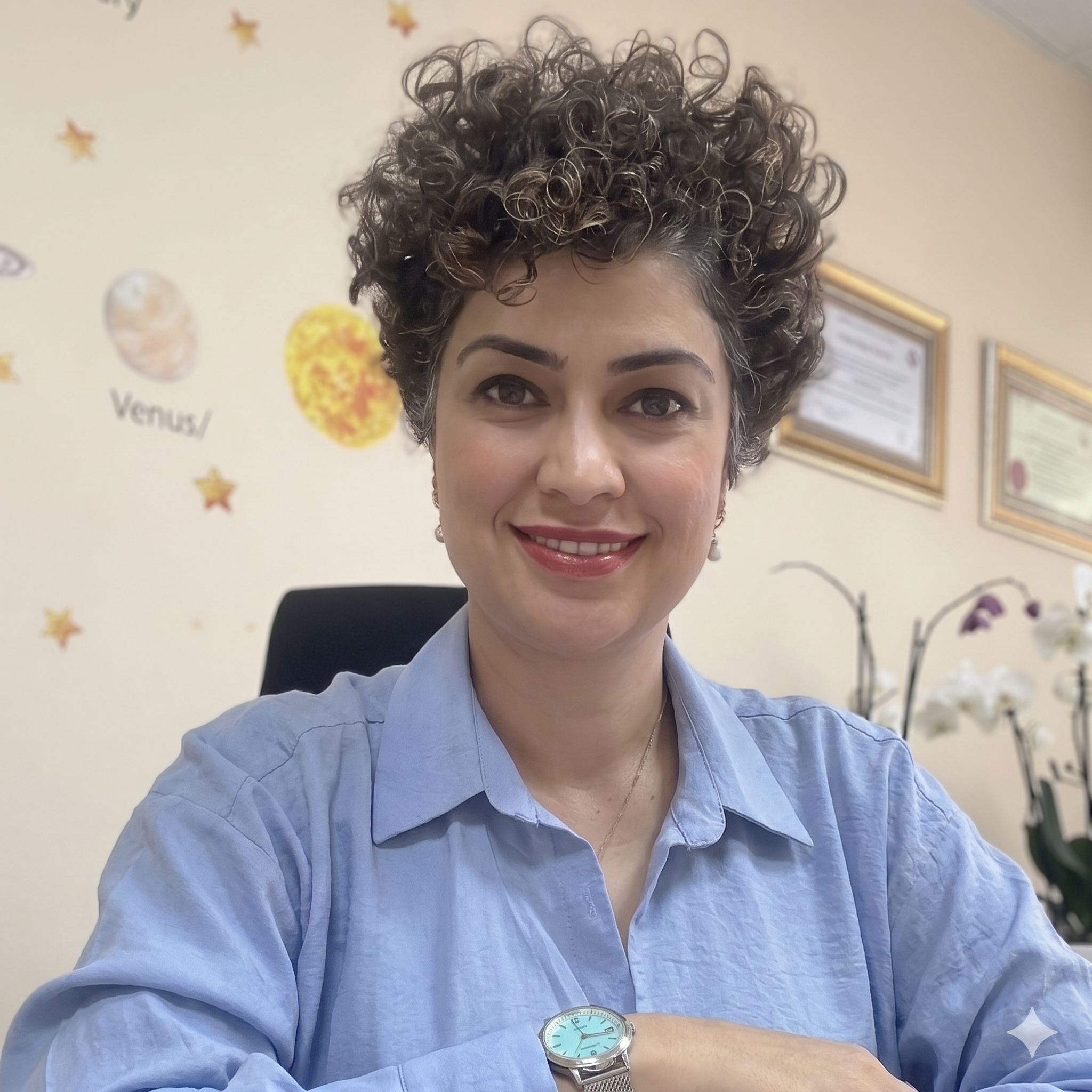
Doç. Dr. Mehtap Eroğlu
Associate Professor, Child and Adolescent Psychiatrist. Over 15 years of clinical experience. Ankara University Faculty of Medicine graduate.
View Full ProfileRelated Articles

ADHD Medication: A Comprehensive Guide for Parents

What Is MOXO Attention Test? Computer-Based ADHD Assessment

ADHD (Attention Deficit Hyperactivity Disorder): Comprehensive Parent Guide

Abdominal Pain and Headache in Children: Psychosomatic Symptoms

Gifted Children: Signs, Assessment and Support