

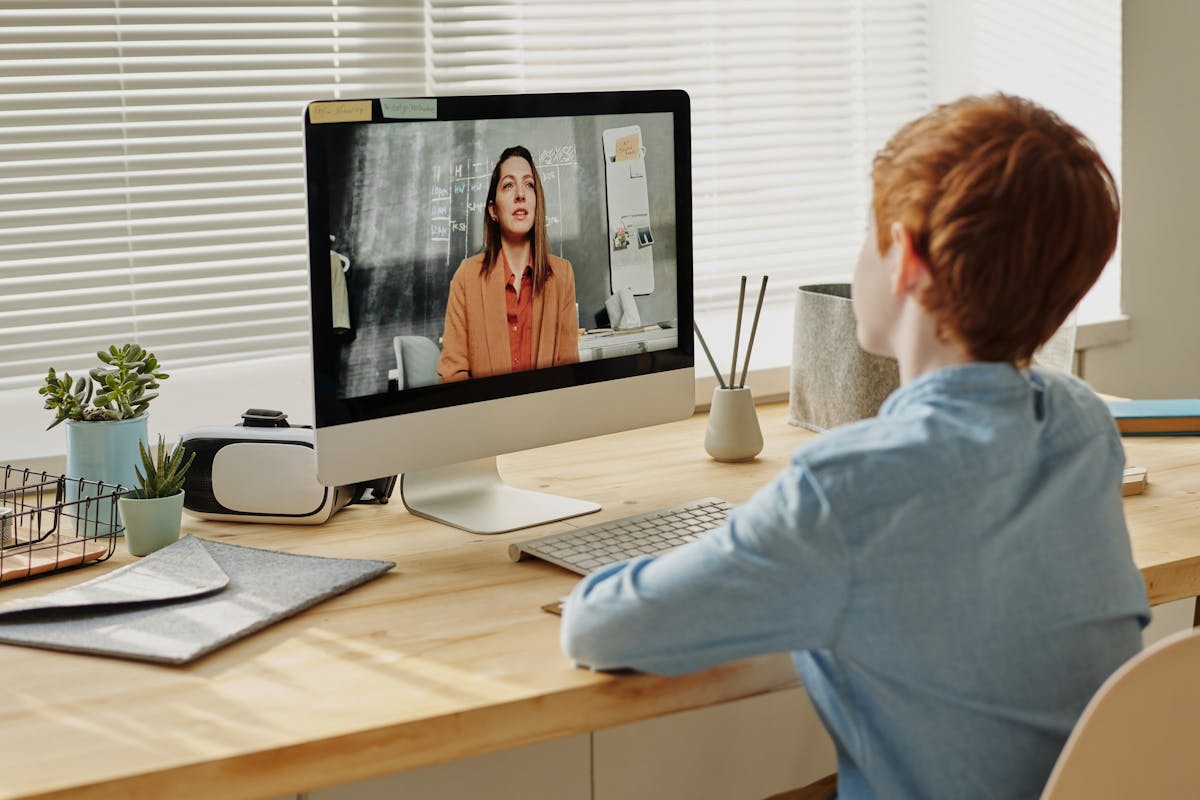
The MOXO attention performance test is a computer-based, objective neurocognitive testing system used in the assessment of ADHD in children and adolescents.
What Is the MOXO Attention Test?
MOXO attention performance test is a computer-based, objective neurocognitive testing system used in the assessment of attention deficit and hyperactivity disorder in children and adolescents. Developed by Neurotech Solutions Ltd. in Israel, this test is widely used in clinical practice across many countries worldwide and is recognized as an important component of the ADHD evaluation process.
Unlike traditional attention tests, MOXO stands out for its inclusion of environmental distractors that simulate real-life conditions. This feature is the most prominent element enhancing the test's ecological validity. Visual and auditory distracting factors that children encounter in everyday life are integrated into the testing environment, thereby providing a far more accurate profile of the child's real-world attention performance.
According to Assoc. Prof. Mehtap Eroglu, the MOXO test is one of the most reliable computer-based attention tests used in the clinical evaluation process, and it is of great importance particularly for objectively documenting the child's attention profile. However, it is worth emphasizing that, like any objective test, MOXO must be evaluated alongside clinical observation, family interviews, and developmental history.
Since 2011, the MOXO test has accumulated an extensive body of literature in clinical research and is a standardized assessment tool with normative data across different cultures. Normative studies for Turkey have also been completed, and reference values appropriate for the Turkish child and adolescent population have been established. This provides the scientific foundation for the test's reliable use in our country.
How Is the MOXO Test Administered?
Test Process and Duration
The MOXO test is a performance test conducted while sitting in front of a computer screen. During the test, cards appear on the screen at specific intervals as target stimuli. What is asked of the child is quite simple: press the space bar when the target stimulus card appears on screen, and refrain from pressing any key when no target stimulus is present. This seemingly simple task actually has a sophisticated structure that simultaneously measures the child's attention capacity, response timing, impulse control, and motor activity level.
The test consists of eight stages in total and takes approximately 15 to 18 minutes. Different types of distractors are introduced at each stage. In the first stage, no distractors are present, while subsequent stages progressively add visual-only, auditory-only, and combined visual-auditory distractors. Visual distractors take the form of animations, moving figures, and various images appearing on screen. Auditory distractors include various sound stimuli such as music, speech, and animal sounds.
This graduated structure reveals in detail the extent to which each type of distractor affects the child. For example, some children are more sensitive to visual stimuli, while others may struggle more with auditory stimuli. This information is extremely valuable for clinical evaluation and intervention planning.
Which Age Groups Is It Administered To?
The MOXO attention test was developed as an assessment tool for children aged 6 to 12. However, the adult version of the test, MOXO d-CPT (MOXO continuous performance test), can be administered to adolescents aged 13 and older as well as adults. Separate normative data exist for each age group, and test results are evaluated by comparing them with peers in the child's own age group.
According to Assoc. Prof. Mehtap Eroglu, correctly determining the age group for test administration is critically important. The reliability of computer-based tests in children under six may be questionable, as computer skills, motor coordination, and task comprehension capacities in this age group may make valid test administration difficult. For this reason, it is more appropriate for different assessment methods to take precedence for preschool-aged children.
What Should the Test Environment Be Like?
For the MOXO test to yield valid and reliable results, the testing environment must meet certain standards. The test should be administered in a quiet, well-lit room free from external stimuli. No one other than the child and the test administrator should be present in the room. The computer screen should be positioned at the child's eye level and at an appropriate distance.
It is important for the child to be comfortable during the test; however, an overly comfortable environment may also negatively affect attention performance. The chair height should be adjusted so the child's feet touch the floor, and the desk height should meet ergonomic standards. Before the test, the task should be explained to the child in clear, understandable language, and practice trials should be conducted to ensure the child understands the task.
In clinics providing child psychiatry services in Ankara, the rooms where MOXO tests are administered are arranged in accordance with these standards. Since the test's reliability is directly dependent on administration conditions, results from tests conducted in unsuitable environments may be clinically misleading.
What Does the MOXO Test Measure?
The MOXO test measures four core parameters, each of which corresponds to different dimensions of ADHD symptoms. Each parameter is evaluated separately according to the presence and absence of distracting stimuli, enabling a multidimensional analysis of the child's attention profile.
Attention
The attention parameter measures the child's ability to respond correctly and at the right time to the target stimulus. When the target stimulus appears on screen, the child is expected to notice it and press the key. The attention score is directly related to the number of target stimuli the child misses. A high number of missed target stimuli may indicate difficulty sustaining attention.
In children where the predominantly inattentive subtype of ADHD is prominent, this parameter typically scores low. However, it should be remembered that attention deficits are not exclusive to ADHD — conditions such as anxiety disorders, depression, sleep disorders, and learning difficulties can also negatively affect attention performance.
Timing
The timing parameter evaluates the temporal accuracy of the child's response to target stimuli. It analyzes how quickly the child responds after the target stimulus appears on screen and whether the response occurs while the stimulus is still displayed or afterward.
In children with ADHD, response timing is generally inconsistent. They sometimes respond very quickly and sometimes very slowly, and this inconsistency may become more pronounced across different stages of the test. Variability in the timing parameter reflects fluctuations in cognitive processing speed and interruptions in attention continuity.
According to Assoc. Prof. Mehtap Eroglu, the timing parameter is a dimension frequently overlooked in ADHD assessment yet one that carries great clinical significance. A child giving a correct response is just as important as giving that response at the right time — both are indicators of healthy cognitive functioning.
Impulsivity
The impulsivity parameter measures the number of times the child presses the key when no target stimulus is present. These types of responses are called "false alarms" or "commission errors" and reflect the child's tendency toward inability to inhibit responses and impulsive behavior.
In children where the impulsivity-hyperactivity component of ADHD is dominant, this parameter may be markedly elevated. Impulsive responses manifest as the child responding hastily rather than waiting for the target stimulus, confusing distractors with target stimuli, or being unable to suppress motor responses.
A high impulsivity score may also be consistent with behaviors in daily life such as difficulty waiting turns, answering before questions are completed, and interrupting others. However, there are also developmental periods during which impulsivity may be within normal limits, which is why evaluating results against age norms is of great importance.
Hyperactivity
The hyperactivity parameter evaluates whether the child exhibits excessive motor activity during the test. In the MOXO test, this parameter is measured through behaviors such as the child pressing the key multiple times, continuously holding the key down, or random key-pressing behavior.
This parameter measures uncontrolled repetition of motor output rather than physical movement per se. Hyperactive children tend to press the key multiple times rather than once, and these extra presses reflect difficulty in motor control rather than a conscious choice.
It should be noted that the MOXO test's hyperactivity measurement differs from hyperactivity assessments obtained through direct observation. The test does not use motion sensors or camera-based movement analysis; instead, it analyzes excesses in key-pressing patterns. For this reason, the hyperactivity parameter should be interpreted alongside clinical observation and behavioral scales.
How Are MOXO Test Results Interpreted?
When the MOXO test is completed, the system automatically generates a detailed report. This report includes numerical scores, percentile rankings, and graphical representations for each of the four core parameters. The child's scores are compared with normative data from their own age group to determine performance level.
Results are generally expressed in percentile rankings. Low percentile rankings may indicate difficulty in the relevant parameter. For example, a low percentile in the attention parameter indicates that the child misses target stimuli more frequently compared to peers. Similarly, a high percentile in the impulsivity parameter indicates the child gives more false alarm responses compared to peers.
The most critical point in interpreting test results is that they should not be treated as a standalone diagnostic tool. The MOXO test provides a cross-sectional snapshot of attention performance at a specific moment. The child's mood on the test day, sleep status, hunger level, motivation, and general health can all influence results.
According to Assoc. Prof. Mehtap Eroglu, for MOXO test results to gain clinical significance, they must be interpreted by an expert child and adolescent psychiatrist within a holistic evaluation framework. Making clinical decisions based on a single test score is incompatible with a scientific approach. Test results should be evaluated together with family interviews, school information, developmental history, clinical observation, and when necessary, other psychometric tests.
Another important component of the report is the detailed analysis of how distractors affect performance. The report clearly indicates which types of distractors (visual, auditory, or both combined) affect the child's performance and to what degree. This information provides practically useful data for organizing the child's educational environment and developing individualized intervention strategies.
Does the MOXO Test Alone Diagnose ADHD?
The answer to this question is clear and definitive: No, the MOXO test does not and cannot diagnose ADHD on its own. ADHD diagnosis is made at the conclusion of a comprehensive clinical evaluation process based on DSM-5 (Diagnostic and Statistical Manual of Mental Disorders) criteria. No computer-based test has the authority or the capacity to make a psychiatric diagnosis on its own.
To diagnose ADHD, symptoms must be present for at least six months, across multiple settings (home, school, social environments), and at a level that impairs functioning. Obtaining this information requires the integration of multiple data sources including detailed clinical interviews, family history, school information, behavioral rating scales, and clinical observation. The MOXO test is only one part of this comprehensive evaluation process.
According to Assoc. Prof. Mehtap Eroglu, families may sometimes have expectations of obtaining a definitive result from a single test. However, evaluating a neurodevelopmental disorder such as ADHD is a multidimensional process, and within this process, the MOXO test makes an important contribution as one of the tools available to the clinician — but it is not the sole determinant. Specialists working in child psychiatry in Ankara position the MOXO test as a complementary component of the clinical evaluation.
The value of the MOXO test lies in adding an objective dimension to subjective assessments. Scales based on parent and teacher reports may be influenced by the observer's perception and expectations. Computer-based tests, on the other hand, evaluate performance under standardized conditions with objective measures. The complementary nature of these two approaches is ideal for an accurate clinical assessment.
Furthermore, MOXO test results favoring ADHD do not constitute a definitive diagnosis, just as results within normal limits do not rule out ADHD. Some children may sustain attention adequately in a structured, one-on-one test setting while experiencing significant difficulties in more complex, stimulus-rich environments such as a classroom. Such situations clearly demonstrate why clinical experience and holistic evaluation remain indispensable.
MOXO Testing in Ankara
Ankara, as one of Turkey's cities with the strongest healthcare infrastructure, is home to numerous institutions offering quality services in child and adolescent psychiatry. The MOXO attention test is widely administered in child and adolescent psychiatry clinics in Ankara and has become an integral part of ADHD evaluation protocols.
For families wishing to have the MOXO test conducted in Ankara, the most important criterion is that the test be administered under the supervision of an expert child and adolescent psychiatrist and under appropriate conditions. The correct interpretation of results requires expertise just as much as the technical administration of the test. For this reason, it is of great importance that the clinic or center where the test is performed be managed by experienced professionals in the field of child and adolescent psychiatry.
According to Assoc. Prof. Mehtap Eroglu, the most important consideration when administering the MOXO test in Ankara is that it be planned as part of a comprehensive clinical evaluation. Rather than families applying solely to have the test done, it is recommended that they choose a holistic approach where the child's overall developmental status, behavioral characteristics, and family dynamics are evaluated together.
Things to Consider Before the MOXO Test
Certain important preparations must be made before the test in order to obtain reliable MOXO results. These preparations encompass both physiological and psychological factors that directly affect the child's performance, as well as family expectation management.
First and foremost, it is of great importance that the child has had adequate sleep on the day of the test. Sleep deprivation is one of the strongest factors that directly and negatively affects attention performance. It is recommended that the child maintain their usual sleep schedule the night before the test and go to bed early.
The child should be neither hungry nor overly full at the time of the test. A balanced breakfast or light meal will help the child sustain attention during the test. It is advisable to avoid excessively sugary foods and drinks before the test.
If the child is taking any medication, this must be communicated to the specialist physician before the test. Particularly if ADHD medications are being used, the physician should decide whether the test will be conducted with or without medication. This decision may vary depending on the purpose of the test and the clinical question at hand. Administration without medication reveals the child's baseline attention profile, while administration with medication may be performed to evaluate medication efficacy.
It is recommended that the child avoid excessive physical activity before the test and arrive rested. However, it is equally important that the child not be tense or anxious. The family should provide an age-appropriate explanation about the test, absolutely avoiding anxiety-inducing terms such as "exam" or "failing." It is appropriate to offer reassuring explanations that the test is an activity similar to a computer game and that there are no right or wrong answers.
According to Assoc. Prof. Mehtap Eroglu, preparation before the test is at least as important as the test itself. A test conducted under appropriate conditions with a prepared child will reflect the child's true attention capacity far more accurately. She notes that at her clinic in Ankara, families receive detailed guidance on pre-test preparation, and efforts are made to ensure the child is both physically and psychologically ready for the test.
It should also be noted that the test should not be repeated multiple times on the same day. Repeated administrations may create a learning effect and reduce the reliability of results. When re-testing is necessary, it is recommended that at least several weeks pass between administrations.
Expert Opinion
The role of computer-based tests in ADHD assessment is a topic that has been debated for many years in the field of child and adolescent psychiatry and is gradually settling into a clearer framework. The MOXO test stands out as one of the most current and comprehensive tools in this area.
According to Assoc. Prof. Mehtap Eroglu, the greatest advantage of the MOXO test is that it systematically uses distractors to provide an assessment that approximates real-life performance. A situation frequently encountered in clinical practice exists: a child can sustain attention when receiving one-on-one attention in the examination room and displays no difficulty whatsoever; yet the attention problems reported by the teacher in the classroom setting are at a significant level. The MOXO test is an effective tool for revealing such situations by introducing distractors.
Nevertheless, accepting that no test is perfect and that every assessment tool has its limitations is a scientific necessity. Computer-based attention tests, including the MOXO test, measure the child's performance at a given moment, and this performance can be influenced by numerous variables. Therefore, test results must always be interpreted within a clinical context by an expert eye.
The role of the child and adolescent psychiatrist is not merely to administer a test or read test results. The true expertise lies in bringing together information from different sources to understand the child's unique profile and offering an evaluation and guidance appropriate to that profile. The MOXO test is a valuable data source in this process, but it cannot replace clinical judgment.
Specialists providing child psychiatry services in Ankara have adopted the MOXO test as an important component of modern evaluation protocols and provide comprehensive information to families on this topic. The integration of technology into clinical practice enables more accurate and comprehensive evaluations; however, the human factor — that is, the assessment by the expert clinician — must always maintain its central position.
In Summary
The MOXO attention performance test is a scientifically validated, computer-based, objective assessment tool used in ADHD evaluation in children and adolescents. The test's most distinctive feature is its inclusion of visual and auditory distractors that simulate real-life conditions, enabling a multidimensional analysis of the child's attention profile.
The test measures four core parameters — attention, timing, impulsivity, and hyperactivity — and presents results compared against age-appropriate normative data. Lasting approximately 15-18 minutes, the test can be administered to children aged 6-12 and captures an objective snapshot of the child's attention capacity.
However, the most critical point to remember is that the MOXO test alone is not sufficient to diagnose ADHD. An ADHD diagnosis can only be made through the combined consideration of comprehensive clinical evaluation, family and school information, developmental history, behavioral rating scales, and clinical observation. The MOXO test is an objective and valuable component of this holistic process.
Administered by expert physicians in the field of child and adolescent psychiatry in Ankara, the MOXO test offers a scientific and objective contribution to the ADHD evaluation process. When families have concerns about their child's attention performance, they can initiate a comprehensive evaluation process by consulting an expert child and adolescent psychiatrist and benefit from computer-based tools such as the MOXO test during this process. Accurate assessment is the first and most important step toward proper guidance.
Frequently Asked Questions
MOXO dikkat testi nedir?
MOXO dikkat testi, çocuk ve ergenlerde dikkat eksikliği ve hiperaktivite bozukluğunun değerlendirilmesinde kullanılan bilgisayar destekli, objektif bir nörokognitif performans testidir. Gerçek yaşam koşullarını simüle eden dikkat dağıtıcı uyaranlar içermesiyle diğer testlerden ayrılır.
MOXO testi kaç dakika sürer?
MOXO testi toplamda sekiz aşamadan oluşur ve yaklaşık 15 ila 18 dakika sürer. Her aşamada farklı türde görsel ve işitsel dikkat dağıtıcı uyaranlar devreye girerek çocuğun dikkat performansı çok boyutlu olarak değerlendirilir.
MOXO testi hangi yaş grubuna uygulanır?
MOXO dikkat testi 6 yaşından 12 yaşına kadar olan çocuklara uygulanabilir. 13 yaş ve üzeri ergenler ile yetişkinler için ise MOXO d-CPT adlı yetişkin versiyonu mevcuttur. Her yaş grubu için ayrı normatif veriler kullanılır.
MOXO testi DEHB tanısı koyar mı?
Hayır, MOXO testi tek başına DEHB tanısı koymaz. DEHB tanısı kapsamlı klinik değerlendirme, aile görüşmesi, okul bilgileri ve davranış ölçeklerinin birlikte ele alınmasıyla uzman hekim tarafından konulur. MOXO testi bu sürecin objektif bir bileşenidir.
MOXO testi neyi ölçer?
MOXO testi dört temel parametreyi ölçer: dikkat (hedef uyaranı fark etme), zamanlama (tepki hızı ve tutarlılığı), dürtüsellik (yanlış alarm tepkileri) ve hiperaktivite (aşırı motor tepkiler). Her parametre dikkat dağıtıcı uyaranların varlığında ayrıca değerlendirilir.
MOXO testi öncesinde nelere dikkat edilmelidir?
Çocuğun yeterli uyku almış, dengeli beslenmiş ve dinlenmiş olması gerekir. İlaç kullanımı hekime bildirilmeli, çocuğa test hakkında kaygı yaratmadan bilgi verilmelidir. Aşırı şekerli gıdalardan ve yoğun fiziksel aktiviteden kaçınılmalıdır.
MOXO testi güvenilir midir?
MOXO testi bilimsel geçerliliği ve güvenilirliği uluslararası araştırmalarla kanıtlanmış, standardize edilmiş bir değerlendirme aracıdır. Türkiye'ye özgü normatif çalışmaları da tamamlanmıştır. Ancak sonuçların güvenilirliği uygun test koşullarına ve uzman yorumlamasına bağlıdır.
Ankara'da MOXO testi nerede yaptırılır?
Ankara'da çocuk ve ergen psikiyatrisi alanında hizmet veren kliniklerde MOXO testi yaygın olarak uygulanmaktadır. Testin uzman bir çocuk ve ergen psikiyatristi gözetiminde, uygun koşullarda yapılması ve sonuçların kapsamlı klinik değerlendirme içinde yorumlanması önemlidir.
MOXO testinin diğer dikkat testlerinden farkı nedir?
MOXO testinin en belirgin farkı, gerçek yaşam koşullarını simüle eden görsel ve işitsel dikkat dağıtıcı uyaranlar içermesidir. Test kademeli olarak bu uyaranları devreye sokarak çocuğun hangi tür dikkat dağıtıcılardan ne ölçüde etkilendiğini ayrıntılı biçimde ortaya koyar.
MOXO testi sonuçları ne anlama gelir?
MOXO test sonuçları, çocuğun dikkat, zamanlama, dürtüsellik ve hiperaktivite parametrelerindeki performansını yaş grubundaki akranlarıyla karşılaştırarak yüzdelik dilimler halinde sunar. Düşük dikkat puanı veya yüksek dürtüsellik puanı dikkat güçlüğüne işaret edebilir ancak sonuçlar mutlaka uzman tarafından yorumlanmalıdır.
References
- Berger, I., Slobodin, O., Aboud, M., & Melamed, J. (2013). Maturational delay in ADHD: evidence from CPT. Frontiers in Human Neuroscience, 7, 691.
- Berger, I., & Goldzweig, G. (2010). Objective measures of attention-deficit/hyperactivity disorder: a pilot study. The Israel Medical Association Journal, 12(9), 531-535.
- American Psychiatric Association. (2013). Diagnostic and Statistical Manual of Mental Disorders (5th ed.). Arlington, VA: American Psychiatric Publishing.
- Slobodin, O., Cassuto, H., & Berger, I. (2018). Age-related changes in distractibility: developmental trajectory of sustained attention in ADHD and neurotypical children. Journal of Attention Disorders, 22(14), 1333-1343.
- Cassuto, H., Ben-Simon, A., & Berger, I. (2013). Using environmental distractors in the diagnosis of ADHD. Frontiers in Human Neuroscience, 7, 805.
- Günay Aksoy, S., & Yılmaz, S. (2020). MOXO dikkat performans testinin Türk çocuklarındaki normatif verilerinin incelenmesi. Türk Psikiyatri Dergisi, 31(2), 107-114.
- Raz, S., Bar-Haim, Y., Sadeh, A., & Dan, O. (2014). Reliability and validity of the online continuous performance test among young adults. Assessment, 21(1), 108-118.
- Berger, I., Cassuto, H., & Ben-Simon, A. (2014). Usefulness of the MOXO-CPT for ADHD diagnosis. ADHD Attention Deficit and Hyperactivity Disorders, 6(3), 161-168.
- Barkley, R. A. (2015). Attention-Deficit Hyperactivity Disorder: A Handbook for Diagnosis and Treatment (4th ed.). New York: Guilford Press.
This article is for general information and does not replace an individual medical evaluation. If you are concerned about your child, please consult a child and adolescent psychiatrist. In an emergency call 112.

Doç. Dr. Mehtap Eroğlu
Associate Professor, Child and Adolescent Psychiatrist. Completed her specialty training in child and adolescent psychiatry at Ankara University. Over 15 years of clinical experience.
View Full ProfileRelated service: Child psychiatry assessment in Ankara
Related Articles

ADHD Medication: A Comprehensive Guide for Parents

ADHD Treatment in Ankara: Comprehensive Guide

ADHD (Attention Deficit Hyperactivity Disorder): Comprehensive Parent Guide

Stealing Behaviour in Children

Child Neglect and Abuse: Signs and What to Do