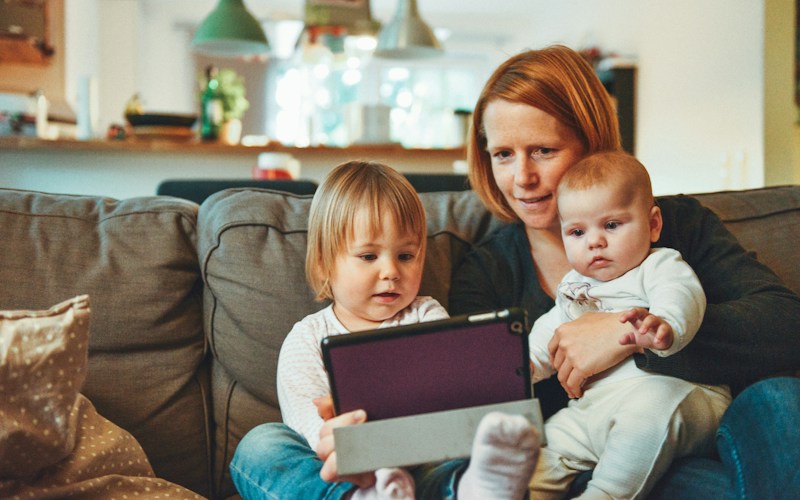


A comprehensive guide for understanding whether your child's anxiety has crossed into clinical territory and beginning the right treatment journey with specialist support in Ankara.
Childhood Anxiety Disorder Specialist: Why the Right Choice Is Life-Changing
Those sudden stomach aches your child develops every morning as school time approaches, or the intense separation fear at the door — these may not simply be mood swings, but a quiet cry for help from within their inner world. Today, especially given 2026 data showing that one in every seven children struggles with mental health challenges, you do not have to carry this emotional burden alone. Working with a specialist in childhood anxiety disorder in Ankara can transform this complex process into a scientifically grounded, safe journey of recovery for both your child and your family.
As a parent, it is entirely human to sometimes feel helpless when your child avoids social settings or appears constantly worried. However, understanding the roots of this anxiety and learning the right intervention methods eliminates uncertainty and gives you a clear roadmap. In this guide, we address every aspect of the process — from the signs of childhood anxiety to modern therapy methods — with a compassionate and professional perspective. While examining the critical role of expert support in recovery, you will also learn practical strategies you can apply at home and discover how you can contribute to rebuilding your child's self-confidence.
Key Takeaways
- You will be able to scientifically distinguish the key differences between normal developmental fears and clinical anxiety that requires professional intervention.
- You will discover the critical role that treatment carried out with an experienced childhood anxiety disorder specialist plays in the child's emotional resilience and neurological development.
- By understanding the neurobiological reasons behind physical complaints such as stomach aches and sleep disturbances, you will learn to correctly interpret the bodily symptoms of anxiety.
- You will examine the effectiveness of evidence-based methods such as Cognitive Behavioral Therapy (CBT) in breaking your child's negative thought cycles.
- You will learn what to expect at the initial clinical assessment stage and will develop supportive strategies that can be applied at home within the framework of parent counseling.
What Is Childhood Anxiety Disorder? Differences Between Normal Fear and Anxiety That Requires Expert Attention
Anxiety is actually one of the survival mechanisms of human nature, and every child experiences fears at certain stages of development. However, when this emotion begins to reduce the child's quality of daily life, affect school performance, and restrict social relationships, it takes on a clinical dimension. The clearest clinical definition of anxiety disorder is: the mind remaining in a constant state of alarm even when there is no real threat. At this point, seeking support from an experienced childhood anxiety disorder specialist in Ankara is vitally important to prevent the condition from becoming chronic.
Understanding the fundamental difference between fear and anxiety is the first step for parents. Fear is an immediate response to a concrete, present danger; anxiety is an endless state of waiting in anticipation of an uncertain future threat. For example, being afraid of a barking dog is an immediate reflex. But not wanting to leave home out of fear of "what if I see a dog on the street tomorrow?" is a symptom of anxiety that requires specialist attention.
Some developmental stages of fear that are considered normal for children by age include:
- Ages 0–2: Fear of strangers and separation from parents.
- Ages 3–6: Darkness, imaginary monsters, and natural phenomena such as thunder.
- Ages 7–12: Failing at school, illness, and natural disasters.
- Ages 13–18: Social acceptance, exam anxiety, and peer relationships.
Distinguishing Developmental Fears from Pathological Anxiety
Developmental fears appropriate to the growth stage are generally temporary and do not paralyze the child's life. If a child is still reacting with the same intensity to a fear that their peers have long since outgrown, we can speak of pathological anxiety. The duration, intensity, and degree to which the anxiety disrupts the child's functioning are the most critical criteria. For example, it is normal for a child to cry for a few minutes when separating from their mother; but completely refusing to go to school and experiencing physical complaints should be evaluated by a childhood anxiety disorder specialist in Ankara.
How Anxiety Disorder Reflects in the Child's World
For an anxious child, the world is an unsafe and dangerous place where disaster can strike at any moment. This way of perceiving things causes the child to remain closed to new experiences and undermines the development of self-confidence. Avoiding social settings and staying silent out of "what if I make a mistake" can lead to isolation over the long term. Untreated childhood anxiety can evolve into deeper depressive processes or social phobia during adolescence. Treatment processes conducted under the guidance of an expert child psychiatrist in Ankara enable the child to once again perceive the world as a safe place.
You are advised to seek professional help when you notice the following "red flag" signs: constant approval-seeking, disrupted sleep patterns, unexplained stomach aches, and a tendency to avoid even activities they enjoy. Early intervention is the most effective way to preserve the child's emotional resilience.
Symptoms of Anxiety Disorder and Their Neurobiological Foundations: An Expert's Assessment
Anxiety is a complex biological process that begins in the mind and spreads to the entire body. The worries your child experiences are not merely a passing "imaginary concern" — they are the result of a delicate balance in the brain. The amygdala, located deep within the brain, acts like an alarm center that sends the body a "fight or flight" command during moments of danger. In children with anxiety disorder, this alarm system is overly sensitive. The prefrontal cortex, which governs rational thinking and the ability to calm down, struggles to silence this alarm. This causes the child to remain constantly on edge even when there is no real danger.
This biological process affects not only thoughts but also the brain's chemical messengers. Differences in how neurotransmitters such as serotonin and GABA function cause the child to perceive the world as under constant threat. An experienced childhood anxiety disorder specialist in Ankara analyzes these neurobiological foundations to shape the treatment plan. A child psychiatry assessment approached from a medical perspective is critical for understanding the neurodevelopmental dimension of symptoms and initiating the correct intervention.
Anxiety disorder in children typically manifests in three areas:
- Emotional and Cognitive Symptoms: Catastrophizing ("imagining the worst"), constant "what if?" questions, and an unending search for parental approval.
- Behavioral Clues: Avoiding new environments, excessive perfectionism, procrastinating on tasks out of fear of making mistakes, or social withdrawal.
- Physical Symptoms: Unexplained stomach aches, difficulty falling asleep, heart palpitations, and nausea.
The Body's Silent Cry: Somatic Symptoms
Children — especially younger ones — have difficulty putting their intense emotional tension into words. At this point, their bodies begin to speak on their behalf. These complaints, described as "psychosomatic," are the body's concrete responses to stress hormones. Nausea that intensifies particularly on school mornings or before exams is often a sign of deep underlying anxiety. A childhood anxiety disorder specialist in Ankara conducts a comprehensive clinical assessment to distinguish whether these physical symptoms stem from a medical illness or from anxiety.
Genetic Inheritance and Environmental Triggers
Anxiety is sometimes a genetic inheritance. Children with a family history of anxiety may have a biological predisposition to this condition. Children who are temperamentally more sensitive and inhibited are more easily affected by stressful life circumstances or by changes such as moving house or parental divorce. In the treatment of childhood anxiety, expert support aims to equip the child with the necessary coping skills to prevent this genetic predisposition from limiting their life.
Types of Childhood Anxiety: A Comprehensive Overview from Social Phobia to Separation Anxiety
Anxiety does not present with the same face in every child. Some children carry unending worry only about their academic performance, while others may show panic-attack-like symptoms at the mere thought of being separated from their parent. The diversity of these clinical presentations increases the importance of accurate diagnosis. For a childhood anxiety disorder specialist in Ankara, the first step is to clarify which category the child's specific fear falls into — because each type of anxiety creates a different kind of limitation in the child's world.
Children with Generalized Anxiety Disorder (GAD) generate "what if?" scenarios about almost every area of life. Not only exams, but the health of family members, natural disasters, or possible future mistakes constantly occupy their minds. Specific phobias, on the other hand, involve disproportionate fears of specific objects. Panic disorder and agoraphobia tend to appear more frequently as adolescence approaches. In this case, the young person begins to avoid crowded places or areas where they feel they cannot get help, due to sudden, intense episodes of fear.
The Relationship Between School Refusal and Separation Anxiety
Separation Anxiety Disorder goes far beyond the developmentally expected "attachment to mother" phase. When separated from a parent, the child experiences intense dread, believing that something bad will happen to themselves or to the parent. The most concrete manifestation of this is school refusal. The underlying reason for a child who does not want to go to school is generally not laziness, but a profound sense of insecurity. Gradual exposure strategies applied with expert support allow the child to experience being safe even without their parent. In this process, the childhood anxiety disorder specialist in Ankara collaborates with the family to transform the parent-dependent developmental cycle into a healthy attachment pattern.
Social Anxiety and Low Self-Esteem
The line between shyness and social phobia is actually quite thick. A child experiencing social anxiety withdraws entirely from social settings out of the fear of being judged, humiliated, or making a mistake. They hesitate to raise their hand in class, cannot initiate play with peers, and constantly focus on what others think of them. This seriously undermines the child's self-confidence. In a professional approach in Ankara, group training alongside individual therapy can be highly effective in developing the child's social skills. A child who interacts with peers in a controlled environment learns to face their fears and to express themselves confidently in the social world.
Each type of anxiety is an obstacle in the child's path as they climb their developmental milestones. Expert guidance prevents these obstacles from becoming permanent character traits and allows the child to freely use their potential.
Treatment Methods for Childhood Anxiety Disorder: Evidence-Based and Holistic Approaches
Success in anxiety treatment requires a holistic approach encompassing the child's biological, psychological, and social needs. The treatment process aims not merely to suppress symptoms, but to increase the child's emotional resilience. At this point, a childhood anxiety disorder specialist in Ankara first conducts a comprehensive diagnostic process. Child psychiatrists at child psychiatry clinics in Ankara, by virtue of being medical doctors, meticulously analyze the neurobiological factors underlying anxiety and any accompanying neurodevelopmental conditions such as Attention Deficit Hyperactivity Disorder (ADHD). This holistic perspective ensures that the child receives the specific support they need, going beyond being merely labeled as "anxious."
The method accepted today as the "gold standard" for childhood anxiety is Cognitive Behavioral Therapy (CBT). For younger age groups, where words fall short, Play Therapy — the language of emotions — comes into play. The therapy process allows the child to safely confront their fears and develop coping skills. Scientific data shows that with appropriate intervention, the majority of children can successfully continue their social and academic lives.
The Cognitive Behavioral Therapy (CBT) Process
CBT focuses on changing the way the child perceives events. Thought patterns containing catastrophization — such as "what if I make a mistake?" — are identified and replaced with more realistic approaches. The process does not rely on conversation alone; children are taught concrete tools such as relaxation exercises and breathing techniques. Through "gradual exposure" protocols — one of the most critical stages of treatment — the child becomes desensitized to the situations they avoid, under expert guidance. In Ankara, this method retrains the brain's alarm system, making anxiety manageable and reinforcing the child's healthy participation in daily life.
Play Therapy: The Language of Emotions
Play therapy is a particularly effective and scientifically grounded method for younger children who have difficulty putting their emotions into words. Through play, the child externalizes the fears in their inner world and, with the guidance of the therapist, confronts these anxieties in a safe, symbolic environment. This process enables the child to develop emotional regulation skills and to discharge their tension in healthy ways. In the context of childhood anxiety treatment in Ankara, play therapy can be planned alongside CBT or independently.
Medical Assessment and Medication
Medication is not the first choice in every anxiety disorder case; however, if the severity of the anxiety would prevent the child from participating in therapy or paralyze their basic functions (sleep, nutrition, school attendance), it may be recommended by the specialist. Parents' concerns about medication generally stem from incomplete information. The methods used in modern medicine are not intended to create dependency; on the contrary, they restore the balance of neurotransmitters in the brain, increasing the effectiveness of therapy. In processes conducted under the supervision of a professional child psychiatrist in Ankara, dosage adjustments are carefully managed according to the child's developmental stage.
Treatment is a learning process for the child and the family. A child who learns that anxiety is not an enemy but a signal to be managed correctly gains a psychological flexibility that they can use throughout life. Every step taken with expert support is an opportunity to break down those invisible walls that prevent the child from reaching their potential.
The Recovery Process with a Childhood Anxiety Disorder Specialist: A Roadmap for Parents
Taking the step toward professional support often creates both a sense of relief and a hesitation arising from the unknown for families. The clinical assessment process is not simply about listing a child's symptoms — it is a deep journey aimed at understanding their temperament, developmental history, and family dynamics. The first appointment with an experienced childhood anxiety disorder specialist in Ankara lays the foundations of a bond in which the child feels safe, non-judged, and understood. In this process, the specialist makes individual observations with the child and gathers comprehensive information from the parents to create a personalized treatment map.
The recovery process may not follow a linear path; experiencing periods of progress as well as pauses is entirely natural. What matters is that this journey is pursued patiently, under scientific guidance. Not only the sessions in the clinical setting, but also collaboration established with school management and teachers is a critical component for the child's ability to manage anxiety triggers in the external world. Long-term mental health goals aim not for the child to eliminate anxiety entirely, but for them to reach the psychological flexibility to manage it.
The Active Role of Parents in Treatment
The effort you make to soothe your child's anxiety can sometimes, without you realizing it, turn into a cycle that feeds the anxiety. Adopting an overly protective attitude or trying to keep the child away from every situation they fear sends them the message that "the world really is dangerous." In the parent counseling process, you will learn how to be a "safe harbor" for your child. This does not mean solving difficulties on their behalf, but letting them feel that you are by their side as they face those difficulties. Positive parenting approaches strengthen the child's inner resilience by building their confidence in their own abilities.
Professional Support in Ankara with Assoc. Prof. Mehtap Eroğlu
Childhood and adolescence encompass the most sensitive stages of mental development. Assoc. Prof. Mehtap Eroğlu, practicing as a child psychiatrist in Ankara, guides families through this process by blending academic competence with deep compassion. An approach focused on the uniqueness of each child is demonstrated across a wide spectrum spanning from infancy to adolescence. Evidence-based therapy methods, parent training, and group support processes enable the recovery journey to be managed on multiple fronts.
Understanding the complexity in your child's inner world and offering them a more peaceful future is within your reach. For childhood anxiety disorder treatment in Ankara, you can schedule a professional assessment appointment with Assoc. Prof. Mehtap Eroğlu. Remember, every conscious step taken early on is the strongest foundation for mental resilience in adulthood.
Let's Build Emotional Resilience Together for a Healthy Future
Childhood anxieties, when managed with appropriate intervention and compassionate guidance, stop being a burden that limits the child's potential. Evidence-based treatment approaches and the active involvement of families transform this emotional complexity into a healthy developmental milestone. In this sensitive process, receiving support from a competent childhood anxiety disorder specialist ensures not only the child's present wellbeing but also their mental resilience in adulthood.
Assoc. Prof. Mehtap Eroğlu, who brings her academic excellence as an associate professor to her clinical practice, offers scientifically grounded neurodevelopmental assessment methods in Ankara across a broad spectrum of expertise spanning from infancy to adolescence. For childhood anxiety treatment, child psychiatry services in Ankara, and comprehensive family counseling, contact Assoc. Prof. Mehtap Eroğlu today. Every child deserves a world free from fear.
For detailed information on the types, symptoms and causes of childhood anxiety disorders, see our anxiety disorders guide.
For your child's anxiety symptoms in Ankara, you can find information about our psychotherapy service and request an appointment.
Frequently Asked Questions
Çocuklarda kaygı bozukluğu kendi kendine geçer mi?
Kaygı bozukluğu genellikle kendi kendine geçmez; aksine profesyonel bir müdahale yapılmadığında belirtiler kronikleşebilir veya ilerleyen yaşlarda depresyon gibi farklı ruh sağlığı sorunlarına evrilebilir. Ankara'da bir çocuklarda kaygı bozukluğu uzmanı ile erken dönemde iletişime geçmek en sağlıklı yoldur. Uzman desteği, çocuğun kaygıyla baş etme becerilerini kalıcı hale getirerek özgüvenini yeniden inşa etmesini sağlar.
Kaygı bozukluğu olan bir çocuğa anne ve baba nasıl davranmalı?
Ebeveynler, çocuğun korkularını küçümsemeden veya görmezden gelmeden ona 'güvenli bir liman' olduklarını hissettirmelidir. Çocuğu kaygılandığı durumlardan tamamen uzak tutmak, kısa vadede rahatlama sağlasa da uzun vadede kaygıyı besler; bu nedenle küçük adımlarla ve destekleyici bir tavırla korkuların üzerine gitmesi teşvik edilmelidir. Sakin kalmak, net sınırlar çizmek ve duygularını ifade etmesine alan açmak iyileşme sürecinin temel taşlarıdır.
Hangi yaşta kaygı bozukluğu tanısı konulabilir?
Kaygı bozukluğu tanısı, belirtilerin şiddetine ve çocuğun günlük yaşamını ne derece etkilediğine bağlı olarak okul öncesi dönemden itibaren konulabilir. Ayrılık kaygısı gibi türler 3-4 yaşlarında fark edilebilirken, sosyal fobi veya yaygın anksiyete genellikle okul yıllarında daha belirgin hale gelir. Ankara'da Doç. Dr. Mehtap Eroğlu bu yaşa özel farklılıkları gözeterek kapsamlı bir değerlendirme yapar.
Çocuk psikiyatristi mi yoksa psikolog mu daha uygundur?
Tanı koyma ve bütüncül bir tedavi planı oluşturma aşamasında öncelikle bir çocuk psikiyatristine başvurmak daha kapsamlı bir yaklaşım sağlar. Çocuk psikiyatristleri tıp doktoru oldukları için kaygının biyolojik temellerini, nörogelişimsel boyutunu ve eşlik edebilecek diğer tıbbi durumları analiz edebilirler. Psikologlar ise tanı sonrası terapi süreçlerinde kritik rol oynarlar; en verimli sonuçlar genellikle bu iki disiplinin eş güdümlü çalışmasıyla elde edilir.
Kaygı bozukluğu tedavisinde ilaç kullanımı zorunlu mudur?
İlaç kullanımı her çocuk için zorunlu değildir; tedavi yöntemi kaygının şiddetine ve çocuğun işlevselliğine göre kişiye özel belirlenir. Hafif ve orta düzeydeki vakalarda genellikle Bilişsel Davranışçı Terapi veya Oyun Terapisi ilk seçenek olarak tercih edilir. Ancak kaygı çocuğun uyku, beslenme veya okul gibi temel fonksiyonlarını felç ediyorsa, Ankara'da bir çocuklarda kaygı bozukluğu uzmanı kontrolünde ilaç desteği planlanabilir.
Sınav kaygısı yaşayan çocuğum için ne zaman uzmana gitmeliyim?
Eğer sınav kaygısı çocuğun uyku düzenini bozuyor, nedeni açıklanamayan fiziksel ağrılara yol açıyor veya bildiği soruları yanıtlamasını engelleyecek kadar yoğun yaşanıyorsa profesyonel destek alınmalıdır. Kaygı, çocuğun sadece akademik başarısını değil, genel mutsuzluğunu da etkilemeye başladığında müdahale gerekmektedir. Ankara'da Doç. Dr. Mehtap Eroğlu ile yapılacak bir değerlendirme, sürecin çok daha sağlıklı yönetilmesine yardımcı olur.
Kaygı bozukluğu olan çocuklar okulda ne gibi zorluklar yaşar?
Bu çocuklar okulda parmak kaldırmaktan çekinme, akranlarıyla iletişim kurmakta zorlanma, odaklanma sorunları ve sık sık revire gitme isteği gibi zorluklar yaşayabilirler. Sosyal ortamlardan kaçınma eğilimi, çocuğun akademik potansiyelini sergilemesini engellerken sosyal aidiyet hissini de zayıflatır. Uzman rehberliğinde öğretmenlerle yapılacak iş birliği, okul ortamının çocuk için yeniden güvenli bir yer haline gelmesini sağlar.
Oyun terapisi kaygı bozukluğunda etkili midir?
Oyun terapisi, özellikle duygularını kelimelere dökmekte zorlanan küçük yaştaki çocuklar için son derece etkili ve bilimsel bir yöntemdir. Çocuk, oyun aracılığıyla iç dünyasındaki korkuları dışa vurur ve terapist eşliğinde bu kaygılarla güvenli bir sembolik ortamda yüzleşir. Ankara'da çocuklarda anksiyete tedavisi kapsamında oyun terapisi, Doç. Dr. Mehtap Eroğlu'nun kliniğinde BDT ile birlikte veya bağımsız olarak uygulanabilmektedir.
References
- Kendall PC. Treating Anxiety Disorders in Children: Results of a Randomized Clinical Trial. J Consult Clin Psychol. 1994;62(1):100-110.
- Walkup JT, et al. Cognitive Behavioral Therapy, Sertraline, or a Combination in Childhood Anxiety. N Engl J Med. 2008;359(26):2753-2766.
- American Academy of Child and Adolescent Psychiatry. Practice Parameter for the Assessment and Treatment of Children and Adolescents With Anxiety Disorders. J Am Acad Child Adolesc Psychiatry. 2007;46(2):267-283.
- Costello EJ, Egger H, Angold A. 10-Year Research Update Review: The Epidemiology of Child and Adolescent Psychiatric Disorders. J Am Acad Child Adolesc Psychiatry. 2005;44(10):972-986.
- Silverman WK, Albano AM. The Anxiety Disorders Interview Schedule for Children (ADIS-C/P). Psychological Corporation; 1996.
- Türkiye Çocuk ve Genç Psikiyatrisi Derneği. Çocuk ve Ergen Anksiyete Bozuklukları Kılavuzu. 2022.
- Beesdo K, Knappe S, Pine DS. Anxiety and Anxiety Disorders in Children and Adolescents: Developmental Issues and Implications for DSM-V. Psychiatr Clin North Am. 2009;32(3):483-524.
- In-Albon T, Schneider S. Psychotherapy of Childhood Anxiety Disorders: A Meta-analysis. Psychother Psychosom. 2007;76(1):15-24.
This article is for general information and does not replace an individual medical evaluation. If you are concerned about your child, please consult a child and adolescent psychiatrist. In an emergency call 112.

Doç. Dr. Mehtap Eroğlu
Associate Professor, Child and Adolescent Psychiatrist. Completed her specialty training in child and adolescent psychiatry at Ankara University. Over 15 years of clinical experience.
View Full ProfileRelated service: Child psychiatry assessment in Ankara
Related Articles
Test Anxiety Specialist Selection Guide: The Right Support for Academic Success
Test Anxiety in Children: Symptoms, Causes, and Solutions

Social Phobia Treatment in Adolescents: A Scientific Guide for Parents
Anxiety Disorders in Children: Comprehensive Parent Guide
Obsessive Compulsive Disorder (OCD) in Children: Comprehensive Parent Guide