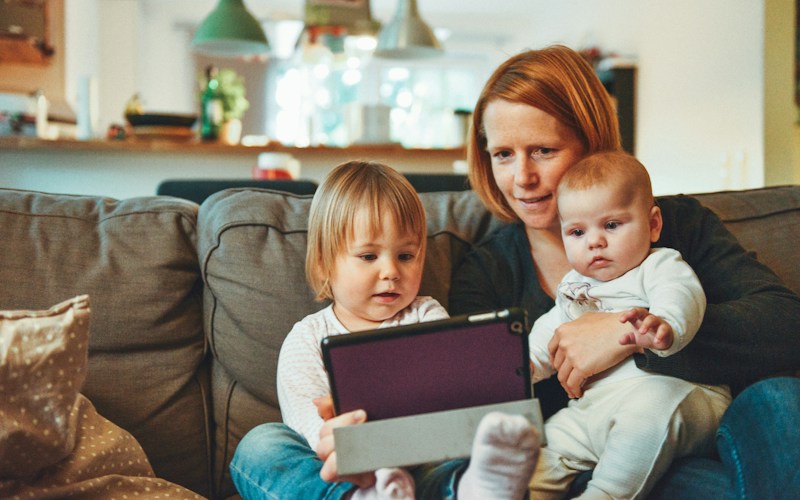


Anxiety disorders are among the most common mental health conditions in childhood and adolescence, affecting approximately 10–20% of school-age children. Discover the types, warning signs, and proven treatment strategies.
What Are Anxiety Disorders in Children?
Anxiety disorders are among the most common mental health problems of childhood and adolescence, affecting approximately 10-20% of school-age children. At a fundamental level, anxiety is an integral part of the human survival mechanism — a natural emotion that alerts us to danger and helps us prepare. However, when this emotion is experienced at an excessive intensity without any real threat, disrupts daily functioning, and manifests in age-inappropriate ways, it is necessary to consider a clinical disorder. In Ankara, childhood anxiety disorders are among the mental health conditions with the latest referrals despite their prevalence.
According to Assoc. Prof. Mehtap Eroglu, many parents tend to normalize anxiety symptoms in their children with expressions such as "shyness," "sensitivity," or "it will get better with age." Yet anxiety disorders that are not recognized and addressed early can seriously and negatively affect a child's academic performance, social relationships, family dynamics, and overall quality of life. Furthermore, untreated childhood anxiety disorders represent a significant risk factor for depression, substance use disorders, and other psychiatric conditions during adolescence and adulthood.
According to the DSM-5-TR (Diagnostic and Statistical Manual of Mental Disorders, Fifth Edition, Text Revision) classification, anxiety disorders constitute a broad diagnostic category encompassing multiple subtypes. The common feature of these disorders is the experience of fear and anxiety far beyond what is developmentally expected, along with the resulting avoidance behaviors. Epidemiological studies conducted worldwide consistently identify anxiety disorders as the most prevalent psychiatric diagnostic group among children and adolescents. Meta-analytic studies demonstrate that when left untreated, these disorders tend to become chronic and can transition from one type of anxiety disorder to another.
Types of Anxiety Disorders
Childhood anxiety disorders are divided into different subtypes based on the focus and nature of symptoms. Each subtype has its own specific diagnostic criteria, typical age of onset, and course characteristics.
Separation Anxiety Disorder
Separation anxiety disorder is characterized by excessive distress when a child is separated from — or anticipates separation from — attachment figures, typically the mother or father. This condition differs markedly from developmentally expected separation anxiety in both intensity and duration. According to DSM-5-TR criteria, symptoms must persist for at least four weeks and cause significant impairment in functioning.
According to Assoc. Prof. Mehtap Eroglu, children with separation anxiety disorder experience intense fears that something will happen to their parents or that they themselves will become lost, kidnapped, or involved in an accident. These children avoid sleeping alone, refuse to go to school, decline to leave their parents' side, and may display intense crying, somatic complaints (stomachache, headache, nausea), and panic-like symptoms when faced with the threat of separation. This disorder typically begins during preschool and early elementary school years, and if left untreated, it can lead to prolonged school absences and social isolation.
Generalized Anxiety Disorder
Generalized anxiety disorder is defined by a child's excessive, difficult-to-control worry about many different topics and situations. These children experience continuous concern not about just one matter, but across a wide range of areas including school performance, health, family safety, natural disasters, the future, friendships, and even world affairs. According to the DSM-5-TR, diagnosis in children requires symptoms to persist for at least six months and be accompanied by at least one additional symptom (restlessness, easy fatigability, difficulty concentrating, irritability, muscle tension, or sleep disturbances).
These children frequently exhibit a perfectionist temperament. They check their homework repeatedly, begin worrying about exams days in advance, and are preoccupied with "what if" thoughts. Assoc. Prof. Mehtap Eroglu emphasizes that children with generalized anxiety disorder often behave like "little adults," displaying a sense of responsibility far beyond that of their peers — a characteristic that is frequently misinterpreted by parents as maturity and consequently overlooked.
Social Anxiety Disorder
Social anxiety disorder manifests through a child's intense fear of and avoidance of social situations in which they might be subjected to negative evaluation by others. These children may be reluctant to raise their hand in class, go to the board, meet new people, speak in front of groups, and even eat alongside peers. The DSM-5-TR specifically emphasizes that symptoms must occur not only in interactions with adults but also with peers.
Children with social anxiety disorder experience an intense process of rumination both before and after interactions. Thoughts such as "Did I look stupid?", "Did I say something wrong?", and "Did they not like me?" continuously occupy their minds. Over time, this can impede social skill development and lead to loneliness and academic failure. Social anxiety disorder that begins in adolescence has a very high likelihood of continuing into adulthood.
Specific Phobias
Specific phobias involve a disproportionate, persistent, and intense fear of a particular object or situation. The most commonly encountered specific phobias in children include animal phobias (dogs, insects, snakes), natural environment phobias (storms, darkness, heights), blood-injection-injury phobias, and situational phobias (elevators, airplanes, enclosed spaces). According to the DSM-5-TR, in children the fear response upon encountering the phobic stimulus may manifest as crying, freezing, clinging, or tantrums.
Assoc. Prof. Mehtap Eroglu notes that specific phobias most often begin during childhood and, if untreated, can persist into adulthood. Some parents over-accommodate the child's fear by ensuring complete avoidance of the phobic stimulus; however, this paradoxically reinforces the phobia and strengthens avoidance behavior.
Selective Mutism
Selective mutism is an anxiety disorder characterized by a child's consistent inability to speak in certain social situations where speech is expected. These children may speak freely at home yet remain completely silent at school, around relatives, or in other social settings. The DSM-5-TR specifies that this condition must last at least one month (excluding the first month of school) and must not be attributable to a lack of language knowledge or a communication disorder.
Selective mutism is typically identified during the preschool period and shows a high rate of co-occurrence with social anxiety disorder. Assoc. Prof. Mehtap Eroglu particularly emphasizes that selective mutism is not simply shyness or stubbornness — it is an expression of the intense anxiety the child is experiencing, and early intervention is critically important for prognosis.
Symptoms of Anxiety Disorders
Anxiety disorders present a multidimensional symptom profile in children. Symptoms manifest at emotional, physical, and behavioral levels and are often experienced in an intertwined manner.
Emotional Symptoms
The most prominent emotional symptoms in children experiencing anxiety disorders include a persistent state of worry, tension, restlessness, nervousness, and irritability. These children frequently carry a feeling that "something bad is going to happen" and show extreme intolerance of uncertainty. Difficulty concentrating is notable and can sometimes be confused with attention deficit disorder. Perfectionism, a need for approval, and feelings of insecurity also frequently accompany the clinical picture. Some children express fear of losing control, "going crazy," or dying. In younger children, anxiety may be externalized through crying episodes, outbursts of anger, and excessive clinginess.
Physical Symptoms
The somatic dimension of anxiety is quite pronounced in children and frequently leads parents to first bring their child to a pediatrician. Common physical symptoms include stomachache, headache, nausea, vomiting, diarrhea, muscle tension, palpitations, a sensation of shortness of breath, excessive sweating, dry mouth, difficulty swallowing, sleep difficulties, and frequent urination. Assoc. Prof. Mehtap Eroglu states that when recurrent somatic complaints cannot be explained by a medical cause, the possibility of an anxiety disorder should always be considered. Children may have difficulty expressing their emotional experiences in words; consequently, their anxiety often finds expression through physical symptoms.
Behavioral Symptoms
At the behavioral level, anxiety disorders most prominently manifest through avoidance behaviors. The child systematically attempts to stay away from situations, places, or people that generate anxiety. Refusing to go to school, declining to participate in social activities, resisting trying new foods, avoiding sleeping alone, and reacting excessively to changes in routine are frequently observed behaviors. Reassurance-seeking behavior is also highly typical: the child constantly asks questions such as "Is everything going to be okay?" and "Nothing bad will happen, right?" — repeatedly seeking reassurance from parents. Additionally, ritualistic behaviors, tics, nail-biting, hair-pulling, and other body-focused repetitive behaviors may emerge as manifestations of anxiety.
Causes and Risk Factors
The development of anxiety disorders involves not a single cause but rather a complex interplay of biological, psychological, and environmental factors. Current scientific understanding evaluates these disorders within a biopsychosocial framework.
Genetic predisposition is one of the strongest risk factors for anxiety disorders. Family studies indicate that children whose parents have anxiety disorders are five to seven times more likely to develop these disorders themselves. Twin studies have shown that the heritability rate for anxiety disorders is approximately 30-40%. However, genetic predisposition alone is not sufficient for the disorder to emerge; environmental triggers must also come into play.
Neuroscientific research demonstrates that in children with anxiety disorders, the amygdala — the brain's threat detection center — is overactive and the prefrontal cortex is unable to adequately regulate this activity. In terms of temperament, infants and young children who display "behavioral inhibition" — a tendency to be cautious and withdrawn in response to new stimuli — are at higher risk for developing anxiety disorders in later years.
Environmental factors include traumatic experiences, experiences of loss, parental separation, school bullying, overprotective or overly controlling parenting styles, insecure attachment patterns, and stressful life events. Assoc. Prof. Mehtap Eroglu particularly emphasizes that parents can transmit their own anxieties to their children through modeling and that overprotective parenting prevents children from developing coping skills. Parents' excessive accommodation of a child's anxiety — for example, consistently allowing the child to avoid anxiety-provoking situations — paradoxically contributes to the strengthening of that anxiety.
The Diagnostic Process
Accurate diagnosis of anxiety disorders requires a comprehensive and systematic clinical evaluation process. This process should be conducted by a child and adolescent psychiatrist and should incorporate multiple sources of information.
According to Assoc. Prof. Mehtap Eroglu, the first step in the diagnostic process is a detailed clinical interview. This interview involves thorough assessment of the child's developmental history, the onset, duration, severity, and triggers of symptoms, family history, school performance, social relationships, and overall level of functioning. In addition to individual interviews with the child, meetings with parents and, when necessary, teachers are also conducted. This is because children may not display some of their symptoms in a clinical setting or may have difficulty verbalizing their anxieties.
Standardized scales and screening tools are also important components of the diagnostic process. Anxiety scales completed by both the child and parents allow for objective assessment of symptom severity and monitoring of progress throughout treatment. In the evaluation based on DSM-5-TR diagnostic criteria, it is required that symptoms exceed the developmentally expected level, persist for at least a specified duration, and cause meaningful impairment in functioning.
During the differential diagnosis process, other conditions that may resemble anxiety symptoms must be ruled out. Attention deficit and hyperactivity disorder, autism spectrum disorder, depression, post-traumatic stress disorder, obsessive-compulsive disorder, and medical conditions (such as thyroid disorders, asthma, and epilepsy) must all be considered in the differential diagnosis. It should also be noted that the rate of comorbidity is high; a child may have multiple types of anxiety disorders or anxiety disorder co-occurring with depression.
Treatment Approaches
Treatment of anxiety disorders is planned according to the type and severity of the disorder, the child's age, and individual characteristics. The treatment approach should always be individualized and appropriate for the child's developmental level. The application of evidence-based treatment methods is the guiding principle.
Cognitive Behavioral Therapy (CBT)
Cognitive behavioral therapy is the psychotherapy method with the strongest evidence base for childhood anxiety disorders. Numerous randomized controlled trials and meta-analyses have demonstrated that CBT is effective for anxiety disorders in children and adolescents. The fundamental principle of CBT is to teach the child the relationship between thoughts, emotions, and behavior, and to identify the negative thought patterns that fuel anxiety and replace them with more realistic and functional thoughts.
Assoc. Prof. Mehtap Eroglu notes that during CBT, children learn to recognize their anxieties, question their anxiety-provoking thoughts, use relaxation techniques, and gradually confront anxiety-provoking situations. The course of treatment generally ranges from 12 to 16 sessions and is enriched with creative techniques such as play therapy elements, drawing, and storytelling, depending on the child's age. The success of treatment largely depends on the child's motivation, parental involvement in the process, and the trust relationship between the therapist and the child.
Exposure Therapy
Exposure therapy is one of the most critical components of CBT and plays a central role in breaking avoidance behavior. In this approach, the child is gradually and systematically confronted with anxiety-provoking situations under controlled conditions. The process begins with the creation of an "anxiety hierarchy" under the therapist's guidance: a list is prepared, ranked from the least anxiety-provoking situation to the most, and the child is stepped through each item on this list.
During the exposure process, the child experiences that although anxiety initially increases when confronting an anxiety-provoking situation, it naturally diminishes over time. This experience teaches the child that anxiety is harmless and can be tolerated. Assoc. Prof. Mehtap Eroglu states that exposure therapy must be conducted by an experienced professional and that confronting the child with challenging situations requires proper timing and appropriate dosing, which are decisive for treatment success.
Family Interventions
Family interventions are an indispensable component of treating childhood anxiety disorders. Parents often unknowingly develop behavioral patterns that reinforce the child's anxiety. Overprotectiveness, accommodating avoidance behavior, constant reassurance-giving, and thinking and making decisions on the child's behalf — while well-intentioned — contribute to the persistence of anxiety.
In family interventions, parents are taught strategies for understanding their child's anxiety, showing empathy without accommodating the anxiety, providing gradual encouragement, and supporting the development of coping skills. Assoc. Prof. Mehtap Eroglu emphasizes that active parental participation in the treatment process significantly improves treatment outcomes and enhances the durability of treatment gains. Restructuring family communication patterns, strengthening parents' own anxiety management skills, and developing consistent boundary-setting abilities are also important goals of treatment.
Medication
Medication is not the first-line treatment used on its own for anxiety disorders; however, it may be used in conjunction with psychotherapy when symptoms are severe, response to psychotherapy is inadequate, or functioning is seriously impaired. The most commonly used class of medication for treating anxiety disorders in children and adolescents is selective serotonin reuptake inhibitors (SSRIs). Multiple controlled studies have demonstrated that SSRIs are superior to placebo in childhood anxiety disorders.
The decision to initiate medication must always be made by a child and adolescent psychiatrist following a detailed risk-benefit analysis. Assoc. Prof. Mehtap Eroglu emphasizes that when medication is started, parents should be comprehensively informed about the purpose of treatment, expected effects, possible side effects, and duration of treatment. Regular follow-up appointments should be maintained throughout the course of medication, and treatment response and potential side effects should be closely monitored. Clinical research has established that combined treatment — the concurrent application of medication and psychotherapy — yields the best outcomes, particularly in moderate to severe anxiety disorders.
Recommendations for Parents
Parents of a child with an anxiety disorder are in the best position to provide the greatest support. There are some key principles that parents should observe during this process:
Take your child's anxiety seriously and do not dismiss it. Statements such as "There is nothing to be afraid of" or "Don't be ridiculous" lead the child to feel misunderstood and alone. Instead, adopt an attitude that acknowledges the anxiety and shows empathy: expressions like "I understand that this frightens you, and it must be difficult for you" enhance the child's sense of emotional safety.
Avoid accommodating avoidance behavior. Allowing the child to completely avoid anxiety-provoking situations may provide short-term relief but strengthens anxiety in the long term. Instead, gradually encourage the child and support them in confronting anxiety-provoking situations through small steps.
According to Assoc. Prof. Mehtap Eroglu, it is also critically important for parents to manage their own anxiety levels. Children are extremely sensitive to their parents' emotional states, and a parent's anxious demeanor conveys the message that "there really is danger." A calm, consistent, and reassuring parenting approach strengthens the child's capacity to cope with anxiety.
Establish regular and open communication with your child. Make anxiety a topic that can be discussed; this way your child will not hesitate to share their feelings with you. Keep daily routines consistent; a structured and predictable lifestyle has an anxiety-reducing effect. The positive impact of adequate sleep, regular physical activity, and balanced nutrition on anxiety management should also not be overlooked.
When Should Professional Help Be Sought?
Every child experiences anxiety from time to time, and this is entirely normal. However, in certain situations, professional help is necessary. The following signs may indicate that you should consult a child and adolescent psychiatrist:
If your child's anxiety is markedly more intense and persistent compared to peers; if anxiety prevents school attendance or academic performance is declining; if the child is avoiding social relationships and becoming increasingly isolated; if sleep patterns are seriously disrupted; if there are frequent, unexplained physical complaints; if the child has difficulty carrying out daily activities; if family relationships have become seriously strained due to anxiety; or if anxiety symptoms have persisted for more than four weeks and are progressively worsening — a professional evaluation is recommended.
Assoc. Prof. Mehtap Eroglu states that rather than maintaining a prolonged "wait and see" approach, the most appropriate course of action when parents have concerns is to obtain a professional evaluation. Early intervention increases the likelihood of treatment success and reduces the risk of the disorder becoming chronic. Evaluation is conducted to determine whether treatment is necessary; not every evaluation leads to treatment, but every early recognition benefits the child.
Expert Opinion
Assoc. Prof. Mehtap Eroglu shares her clinical experience regarding childhood anxiety disorders: "Anxiety disorders are among the most common mental health issues we encounter in children and, at the same time, among those that respond most positively to appropriate intervention. Understanding the world of a child experiencing anxiety — being able to see through their eyes — is the first and most important step in treatment. Parents being patient, understanding, and well-informed throughout this process directly influences the child's recovery." In referrals in Ankara, anxiety presenting through physical complaints can delay diagnosis by months.
"Every child's anxiety is unique, and the treatment plan should be individualized accordingly. Evidence-based treatment methods make it possible to effectively address anxiety disorders in children. What matters is delivering the right intervention at the right time. As families, recognizing your child's anxiety and seeking professional support is one of the most valuable steps you can take for their healthy development."
Anxiety Disorder Treatment and Psychotherapy in Ankara
Although anxiety disorders are common in childhood, referrals in Ankara are mostly made once symptoms have reached the level of school refusal or physical complaints. Presenting first at paediatric clinics with complaints such as abdominal pain, headache, and nausea is the most frequent reason for delayed diagnosis. Awareness that anxiety can manifest through physical symptoms helps families obtain the right referral sooner.
The assessment conducted by Assoc. Prof. Mehtap Eroglu in Ankara identifies the type of anxiety in detail: separation anxiety, generalised anxiety disorder, social anxiety, or specific phobia. Each requires a different therapy plan. The assessment covers the circumstances in which anxiety arises, a list of the settings the child avoids, and the extent to which the family accommodates that avoidance. Protective behaviours by families are usually well intentioned but contribute to the persistence of anxiety.
Families in Ankara commonly ask how long therapy will take. For childhood anxiety disorders, cognitive behavioural therapy is generally planned over a limited number of sessions and includes graded exposure work. The tasks carried out at home between sessions are an integral part of the process, which is why parental involvement directly determines the effectiveness of therapy.
You can find information about the psychotherapy service for your child's anxiety symptoms in Ankara and request an appointment with Assoc. Prof. Mehtap Eroglu.
In Summary
Anxiety disorders rank among the most common mental health problems of childhood and adolescence, and positive outcomes are achieved with accurate diagnosis and appropriate intervention. These disorders — which include subtypes such as separation anxiety, generalized anxiety, social anxiety, specific phobias, and selective mutism — manifest through emotional, physical, and behavioral symptoms. Childhood anxiety disorders in Ankara are conditions that improve at a high rate with appropriate psychotherapy.
Genetic predisposition, neurobiological factors, temperamental characteristics, and environmental influences all play a combined role in the development of anxiety disorders. The diagnostic process requires a comprehensive clinical evaluation conducted by a child and adolescent psychiatrist. Cognitive behavioral therapy is the treatment method with the strongest evidence base and can be supplemented with medication when necessary. Family interventions are an integral part of treatment.
Parents' ability to recognize anxiety disorders, their sensitivity to the child's emotional needs, and their willingness to seek professional help at the appropriate time are of great importance for the child's healthy development. Early intervention increases treatment success, prevents the disorder from becoming chronic, and enhances the child's quality of life. It should always be remembered that a child experiencing anxiety is a child who can be helped, and with the right support, they can successfully overcome this challenge.
For anxiety disorder treatment in Ankara, the therapy process and appointment details, see our article on anxiety disorder treatment in Ankara.
Frequently Asked Questions
Çocuğumun kaygısı normal mi yoksa bir bozukluk mu, nasıl anlarım?
Normal kaygı geçici, duruma uygun ve işlevselliği bozmaz. Kaygı bozukluğunda ise kaygı yaşa göre orantısız biçimde yoğundur, en az dört hafta sürer, okul, sosyal ilişkiler veya günlük yaşamda belirgin bozulmaya yol açar. Çocuğunuzun kaygısı günlük aktivitelerini engelliyorsa profesyonel değerlendirme önerilir.
Kaygı bozuklukları hangi yaşlarda başlar?
Kaygı bozuklukları her yaşta başlayabilir. Ayrılık kaygısı bozukluğu genellikle okul öncesi ve ilkokul döneminde, özgül fobiler çocukluk çağında, sosyal kaygı bozukluğu ilkokul sonu ve ergenlik başında, yaygın kaygı bozukluğu ise genellikle ergenlik döneminde başlar. Seçici konuşmazlık çoğunlukla okul öncesi dönemde fark edilir.
Kaygı bozukluğu tedavi edilmezse ne olur?
Tedavi edilmeyen kaygı bozuklukları kronikleşme eğilimindedir ve zamanla farklı kaygı bozukluğu türlerine dönüşebilir. Ayrıca ergenlik ve yetişkinlikte depresyon, madde kullanım bozuklukları ve diğer psikiyatrik durumlar için risk faktörü oluşturur. Akademik başarısızlık, sosyal izolasyon ve düşük yaşam kalitesi de olası sonuçlardandır.
Çocuklarda kaygı bozukluğu tedavisinde ilaç kullanmak gerekir mi?
İlaç tedavisi her durumda gerekli değildir. Hafif ve orta şiddetteki kaygı bozukluklarında psikoterapi ilk tercih edilir. Belirtilerin şiddetli olduğu, psikoterapiye yanıtın yetersiz kaldığı veya işlevselliğin ciddi biçimde bozulduğu durumlarda çocuk ve ergen psikiyatristi tarafından ilaç tedavisi değerlendirilebilir.
Bilişsel davranışçı terapi çocuklarda nasıl uygulanır?
Çocuklara yönelik bilişsel davranışçı terapi, çocuğun yaşına ve gelişim düzeyine uyarlanır. Oyun, çizim, hikaye anlatımı gibi yaratıcı teknikler kullanılır. Çocuk, kaygı yaratan düşüncelerini tanımayı, sorgulamayı, gevşeme tekniklerini ve baş etme becerilerini öğrenir. Genellikle 12-16 seans sürer ve ebeveyn katılımı tedavinin önemli bir parçasıdır.
Ebeveyn olarak çocuğumun kaygısını artıran davranışlardan nasıl kaçınabilirim?
Kaçınma davranışına uyum sağlama, sürekli güvence verme, çocuğun yerine düşünme ve aşırı koruyuculuk kaygıyı artırabilir. Bunun yerine çocuğun duygularını kabul edin, empati gösterin, kademeli cesaret verin ve kaygı yaratan durumlarla küçük adımlarla yüzleşmesini destekleyin. Kendi kaygı düzeyinizi yönetmeniz de önemlidir.
Çocuğumun karın ağrısı ve baş ağrısı kaygıdan mı olabilir?
Evet, kaygı bozuklukları çocuklarda sıklıkla somatik belirtilerle kendini gösterir. Tıbbi bir neden bulunamayan tekrarlayıcı karın ağrısı, baş ağrısı, bulantı, çarpıntı ve kas gerginliği gibi fiziksel şikayetlerin arkasında bir kaygı bozukluğu olabilir. Bu durumda çocuk ve ergen psikiyatristi değerlendirmesi önerilir.
Seçici konuşmazlık (mutizm) nedir ve utangaçlıktan farkı nedir?
Seçici konuşmazlık, çocuğun evde rahatça konuşurken okulda veya diğer sosyal ortamlarda tutarlı biçimde konuşamamasıdır. Utangaçlıktan farklı olarak kaygı düzeyi çok yüksektir, süreklilik gösterir ve işlevselliği ciddi biçimde bozar. Çocuğun inatçılık yaptığı düşünülmemelidir; bu bir kaygı bozukluğudur ve profesyonel müdahale gerektirir.
Kaygı bozukluğu olan çocuklarda hangi eştanılar görülebilir?
Kaygı bozuklukları sıklıkla birden fazla kaygı bozukluğu türüyle bir arada görülür. Ayrıca depresyon, dikkat eksikliği ve hiperaktivite bozukluğu, davranım bozuklukları ve uyku bozuklukları da eşlik edebilir. Bu nedenle kapsamlı bir psikiyatrik değerlendirme yapılması ve tüm eştanıların ele alınması tedavi başarısı açısından önemlidir.
Çocuğumun kaygısı için ne zaman uzman yardımı almalıyım?
Kaygı belirtileri dört haftadan uzun sürdüğünde, okula devamı engellediğinde, sosyal ilişkileri bozduğunda, uyku ve yeme düzenini olumsuz etkilediğinde, açıklanamayan fiziksel şikayetler oluşturduğunda veya aile içi ilişkileri ciddi biçimde gerginleştirdiğinde bir çocuk ve ergen psikiyatristine başvurmanız önerilir.
References
- American Psychiatric Association. (2022). Diagnostic and Statistical Manual of Mental Disorders, Fifth Edition, Text Revision (DSM-5-TR). Arlington, VA: American Psychiatric Publishing.
- Higa-McMillan, C. K., Francis, S. E., Rith-Najarian, L., & Chorpita, B. F. (2016). Evidence base update: 50 years of research on treatment for child and adolescent anxiety. Journal of Clinical Child & Adolescent Psychology, 45(2), 91-113.
- Rapee, R. M., Schniering, C. A., & Hudson, J. L. (2009). Anxiety disorders during childhood and adolescence: Origins and treatment. Annual Review of Clinical Psychology, 5, 311-341.
- Lebowitz, E. R., Marin, C., Martino, A., Shimshoni, Y., & Silverman, W. K. (2020). Parent-based treatment as efficacious as cognitive-behavioral therapy for childhood anxiety: A randomized noninferiority study. Journal of the American Academy of Child & Adolescent Psychiatry, 59(3), 362-372.
- Wehry, A. M., Beesdo-Baum, K., Hennelly, M. M., Connolly, S. D., & Strawn, J. R. (2015). Assessment and treatment of anxiety disorders in children and adolescents. Current Psychiatry Reports, 17(7), 52.
- Beidel, D. C., & Turner, S. M. (2007). Shy Children, Phobic Adults: Nature and Treatment of Social Anxiety Disorder (2nd ed.). Washington, DC: American Psychological Association.
- Kendall, P. C., & Hedtke, K. A. (2006). Cognitive-Behavioral Therapy for Anxious Children: Therapist Manual (3rd ed.). Ardmore, PA: Workbook Publishing.
- Polanczyk, G. V., Salum, G. A., Sugaya, L. S., Caye, A., & Rohde, L. A. (2015). Annual research review: A meta-analysis of the worldwide prevalence of mental disorders in children and adolescents. Journal of Child Psychology and Psychiatry, 56(3), 345-365.
- Strawn, J. R., Welge, J. A., Wehry, A. M., Keeshin, B., & Rynn, M. A. (2015). Efficacy and tolerability of antidepressants in pediatric anxiety disorders: A systematic review and meta-analysis. Depression and Anxiety, 32(3), 149-157.
- Türkiye Çocuk ve Ergen Psikiyatrisi Derneği. Çocuk ve Ergenlerde Kaygı Bozuklukları Klinik Uygulama Kılavuzu.
This article is for general information and does not replace an individual medical evaluation. If you are concerned about your child, please consult a child and adolescent psychiatrist. In an emergency call 112.

Doç. Dr. Mehtap Eroğlu
Associate Professor, Child and Adolescent Psychiatrist. Completed her specialty training in child and adolescent psychiatry at Ankara University. Over 15 years of clinical experience.
View Full ProfileRelated service: Child psychiatry assessment in Ankara
Related Articles
Childhood Anxiety Disorder Specialist and Treatment Approaches: 2026 Guide

Test Anxiety Specialist Selection Guide: The Right Support for Academic Success
Test Anxiety in Children: Symptoms, Causes, and Solutions

Social Phobia Treatment in Adolescents: A Scientific Guide for Parents
Obsessive Compulsive Disorder (OCD) in Children: Comprehensive Parent Guide