

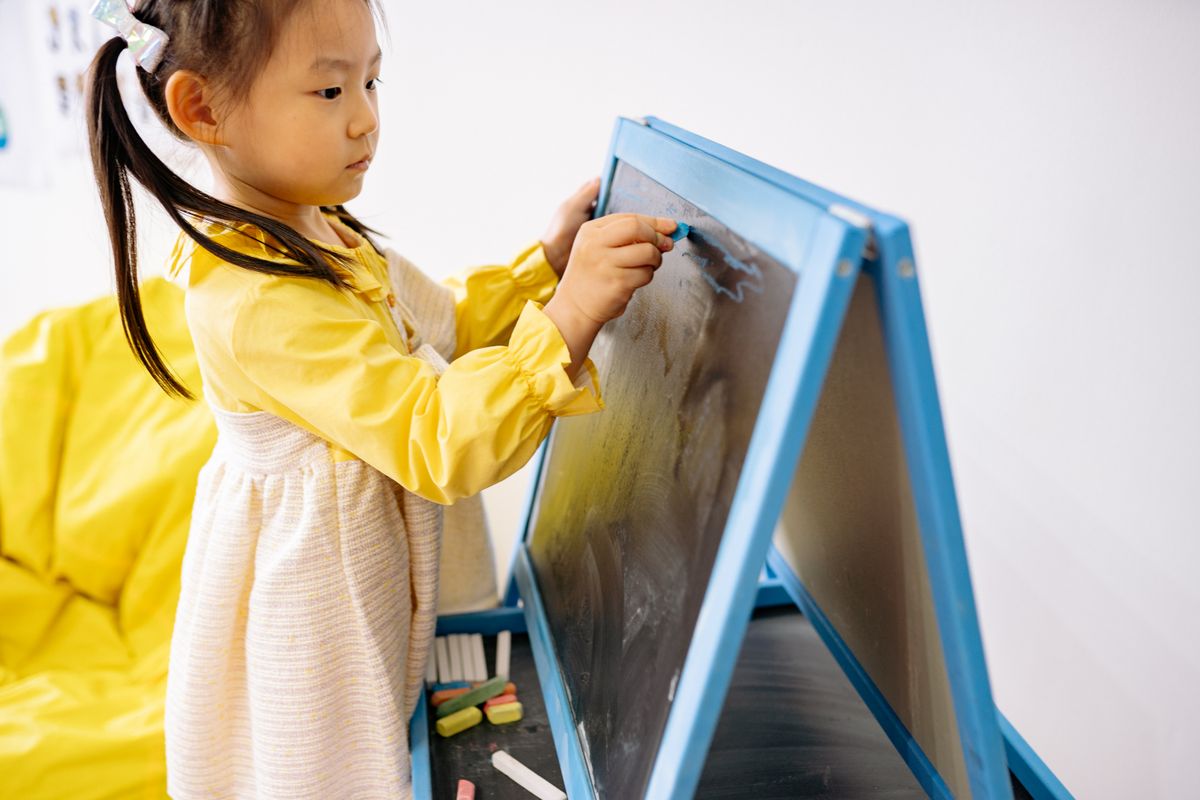
School refusal is a condition in which a child demonstrates intense resistance to attending school — not a simple whim but a manifestation of underlying emotional difficulties.
What Is School Refusal?
School refusal is a condition in which a child demonstrates intense resistance to attending school or is unable to go to school. It is not a simple whim but rather a manifestation of underlying emotional difficulties. Also referred to in the medical literature as "school phobia" or "school nonattendance," this condition is not a conscious choice by the child but a behavioral expression of genuine emotional distress. Children experiencing school refusal typically present with physical symptoms such as stomachaches, headaches, and nausea, and these symptoms intensify as the time to go to school approaches.
It is estimated that approximately 1 to 5 percent of school-age children worldwide experience school refusal. This rate increases notably during transitional periods and following stressful life events. School refusal can affect children from all socioeconomic levels, all academic achievement levels, and all age groups.
Assoc. Prof. Mehtap Eroglu notes that school refusal is an increasingly common reason for referral in her clinical practice in Ankara. "In the post-pandemic period, we are observing a marked increase in school refusal cases. Some children who stayed home for extended periods are having difficulty readapting to the school environment. Early intervention is critically important in preventing the problem from becoming chronic," she states.
School Refusal vs. Truancy
School refusal and truancy are two distinct conditions that should not be confused with each other. Understanding the fundamental differences between them is important for determining the appropriate intervention approach.
Children experiencing school refusal typically:
- Stay home with their parents' knowledge
- Want to attend school but are emotionally unable to do so
- Display intense anxiety, fear, or depressive symptoms
- Generally maintain good or average academic performance
- Rarely present with behavioral problems
- Present primarily with physical complaints (stomachaches, headaches)
- Have strong bonds with family and prefer staying home
Truancy, by contrast, presents a different profile:
- The child is absent from school without the family's knowledge
- Displays oppositional attitudes toward authority
- Behavioral disturbance rather than anxiety is predominant
- Prefers spending time with friends outside of school
- Has frequent conflicts with family
- May be accompanied by academic difficulties and disciplinary problems
- May carry a risk of delinquent behavior
Making this distinction is critically important from a clinical standpoint because the treatment approaches are fundamentally different. School refusal is addressed as an emotional problem, whereas truancy generally requires behavioral intervention. Assoc. Prof. Mehtap Eroglu emphasizes that both conditions require professional evaluation.
Causes
Multiple causes may underlie school refusal, and these causes are often intertwined.
Separation Anxiety
Separation anxiety is the most common cause of school refusal, particularly among younger children. The child experiences intense anxiety about being separated from their parent and fears that something bad will happen to them. Children with separation anxiety frequently feel a need to "check on" their mother or father, want to call frequently, and experience intense restlessness until they return home.
This condition is often triggered by changes within the family (a new sibling, a move, family conflict). Based on her clinical observations in Ankara, Assoc. Prof. Mehtap Eroglu notes that accurately assessing when separation anxiety in early childhood transitions from normal to clinical levels directly impacts treatment success.
Social Anxiety
Social anxiety is a significant factor that can lead to school refusal, particularly during the preschool and adolescent periods. The child experiences fear of being judged, ridiculed, or excluded by peers. Situations requiring performance, such as speaking in class, giving presentations, or participating in physical education, cause intense anxiety.
School refusal associated with social anxiety may stem from the child's lack of social skills or, alternatively, from excessive performance anxiety despite possessing adequate social skills. In both cases, the child experiences a constant perception of threat in the school environment, and over time, this perception can make attending school impossible.
Academic Difficulties
Undiagnosed learning disabilities, attention deficit, or a mismatch between cognitive capacity and the curriculum can cause the child to experience repeated failure at school. This recurring sense of failure gradually produces "learned helplessness," and the child loses motivation to attend school.
In school refusal related to academic difficulties, the child typically shows resistance toward specific subjects or particular teachers. Specific issues such as math anxiety, reading difficulties, or writing disorders can negatively affect the child's overall school experience. Assoc. Prof. Mehtap Eroglu emphasizes that identifying the cognitive profile differences underlying academic difficulties is critical for both academic and emotional recovery.
Bullying
School bullying is one of the most serious causes of school refusal and one that requires the most urgent intervention. Children who are subjected to physical, verbal, or cyberbullying perceive school as an unsafe environment and avoid attending in order to protect themselves.
In school refusal related to bullying, the child may not always openly share what they have experienced at school. They may remain silent due to shame, guilt, or fear of retaliation. For this reason, the possibility of bullying must be carefully investigated in every child who presents with school refusal. Cyberbullying, in particular, is a growing concern as it continues outside school hours and completely eliminates the child's sense of a safe space.
Symptoms
School refusal manifests through a range of physical, emotional, and behavioral symptoms.
Physical symptoms:
- Stomachaches, nausea, vomiting
- Headaches
- Chest pain or palpitations
- Muscle aches
- Frequent urination
- Fatigue and lethargy
- Sleep disturbances
An important characteristic of these physical symptoms is that they generally appear on weekday mornings and disappear on weekends or during school holidays. However, although these symptoms are psychosomatic, they are real for the child and should be taken seriously.
Emotional symptoms:
- Intense crying episodes
- Anger outbursts
- Panic attack-like episodes
- Avoidance of talking about school
- General unhappiness and withdrawal
- Sleep disturbances (difficulty falling asleep, nightmares)
- Loss of appetite or overeating
Behavioral symptoms:
- Refusing to get ready in the morning
- Resisting at the school bus stop or school door
- Feigning illness symptoms
- Expressing anxiety about the next day beginning in the evening
- Damaging school-related belongings
- Delaying bedtime at night
Assoc. Prof. Mehtap Eroglu states that the severity and duration of symptoms determine whether professional help is needed. "One or two days of reluctance can be normal. However, if symptoms persist for more than a week, are accompanied by physical complaints, or disrupt the child's daily functioning, a professional evaluation should be sought."
Presentation by Age
School refusal presents differently across various age groups.
Preschool and early elementary school (ages 5–7): During this period, school refusal is generally associated with separation anxiety. The child does not want to be separated from their mother, experiences intense crying episodes at drop-off, and physical symptoms are prominent. New school enrollment, teacher changes, or family transitions are common triggers.
Elementary school (ages 7–10): In this age group, academic difficulties and social problems become more prominent. The child may show resistance toward specific subjects or teachers. Friendship problems and bullying experiences are significant triggers for school refusal.
Middle school (ages 10–13): During the transition to adolescence, school refusal may be associated with social anxiety, body image concerns, and identity exploration. School transitions, difficulty adapting to new social environments, and increasing academic expectations are risk factors.
High school (ages 14–18): In adolescents, school refusal presents a more complex picture. Psychiatric disorders such as depression, social anxiety disorder, and panic disorder more frequently co-occur. Substance use, family conflicts, and anxiety about the future may also contribute to school refusal during this period.
Assoc. Prof. Mehtap Eroglu notes that school refusal requires a different assessment and treatment approach for each age group. She particularly emphasizes that school refusal emerging during adolescence tends to be more treatment-resistant and that early intervention is critically important across all age groups.
Treatment Approaches
Treatment of school refusal requires an individualized approach based on the underlying cause and the child's age.
Cognitive Behavioral Therapy (CBT): CBT has the strongest evidence base among treatment methods for school refusal. It helps the child identify anxiety-provoking thoughts about school, challenge those thoughts, and develop more functional thought patterns. Through gradual exposure techniques, the child is slowly acclimated to the school environment.
Gradual return plan: A full-time return to school is typically planned in stages. A roadmap is drawn beginning with brief school visits, followed by attendance at specific classes, then half-day attendance, and finally full-day attendance. This plan is coordinated among the school, the family, and the therapist.
Medication: If a serious underlying anxiety disorder or depression is present, medication may be necessary. Selective serotonin reuptake inhibitors (SSRIs) may be used under the supervision of a child psychiatrist. Medication is generally administered in combination with therapy and is not sufficient on its own.
Family therapy: School refusal is a problem that is typically both influenced by and influences family dynamics. Family therapy helps improve family communication patterns and supports parents in setting consistent boundaries and meeting the child's emotional needs.
Relaxation techniques and stress management: The child is taught deep breathing, muscle relaxation, and mindfulness exercises. These techniques provide practical tools that can be used during moments of school-related anxiety.
Assoc. Prof. Mehtap Eroglu notes that the success of the treatment process depends on three key factors: early intervention, school-family-professional collaboration, and consistency. "The earlier the intervention, the shorter and more successful the treatment. As school refusal becomes chronic, treatment becomes more difficult and academic losses accumulate."
The Role of the School
The school's role in resolving school refusal is critically important. School administration and teachers must be active partners in the treatment process.
Expected support from the school:
Adopting an understanding and flexible approach, accommodating the child's gradual return plan, supporting the child in the classroom environment, intervening effectively in cases of bullying, providing individualized support for academic difficulties, establishing a communication bridge between the school counselor and the treatment team, and demonstrating flexibility regarding absenteeism penalties are all recommended.
The school guidance service can contribute to the process by providing the treatment team with observations about the child's behavior in the school setting, peer relationships, and academic performance. Additionally, informing teachers about school refusal ensures that the child is met with a more supportive attitude in the classroom.
Recommendations for Parents
The family of a child experiencing school refusal should assume both a supportive and a structuring role throughout this process.
What to do:
- Take your child's feelings seriously and listen without judgment
- Do not dismiss physical symptoms; they are real for the child
- Be consistent and firm about school attendance
- Avoid the message "just stay home today," as this reinforces the behavior
- Follow the gradual return plan patiently
- Acknowledge your child's small achievements
- Maintain regular communication with the school
- Do not hesitate to seek professional help
- Take care not to project your own anxieties onto your child
What to avoid:
- Forcing the child to go to school
- Labeling the child as "lazy" or "cowardly"
- Trying to motivate through punishment or threats
- Ignoring the problem or waiting for it to "pass on its own"
- Making staying home attractive by allowing the child to have fun outside school
- Transferring the family's own anxieties to the child
Assoc. Prof. Mehtap Eroglu recommends that parents should not overlook their own emotional struggles during this process: "School refusal is a process that affects the entire family. Parents may feel guilt, helplessness, and anger. To manage these emotions and maintain a calm demeanor with the child, it can be beneficial for parents to also seek professional support when needed."
Expert Opinion
According to Assoc. Prof. Mehtap Eroglu, school refusal is the child's way of saying, "Help me." "School refusal is not a behavioral problem but an expression of emotional distress. Families who correctly read this message and intervene in a timely manner can positively shape both the academic and emotional future of their child," she states.
Having practiced child psychiatry in Ankara for many years, Assoc. Prof. Eroglu emphasizes the importance of a multidisciplinary approach in treating school refusal: "School refusal is not a problem that can be solved by the child psychiatrist alone or the school alone. Successful treatment is only possible through coordinated collaboration among the child psychiatrist, psychologist, family, school administration, and guidance services."
Assoc. Prof. Eroglu shares the changes she has observed in school refusal cases particularly in the post-pandemic period: "The remote learning experience during the pandemic led to disengagement from the school environment and loss of social skills in some children. Children who started elementary school during the pandemic, in particular, are having greater difficulty adapting to the school environment. The re-adaptation of this generation to school is a process that requires patience and professional support."
In Summary
School refusal is an emotional difficulty a child experiences regarding school attendance and should not be confused with simple reluctance or laziness. It can arise from various causes, including separation anxiety, social anxiety, academic difficulties, and bullying, and manifests differently across age groups. Early intervention directly impacts treatment success; as the problem becomes chronic, treatment becomes more difficult and academic and social losses accumulate. Treatment employs various approaches, including cognitive behavioral therapy, gradual return planning, medication when necessary, and family therapy. Successful treatment depends on effective collaboration among the child psychiatrist, family, and school. Families in Ankara who observe signs of school refusal in their child should promptly consult a child psychiatrist to receive professional assessment and support.
For the treatment process for school refusal in adolescents in Ankara and appointment details, see our article on school refusal treatment in adolescents.
Frequently Asked Questions
Okul reddi nedir?
Okul reddi, çocuğun okula gitmek istememesi veya gidememe durumudur. Bu durum, basit bir isteksizlikten farklı olarak, altta yatan kaygı, korku veya depresif duyguların davranışsal bir yansımasıdır ve profesyonel değerlendirme gerektirir.
Okul reddi ile okul kaçırma arasındaki fark nedir?
Okul reddinde çocuk ailesinin bilgisi dahilinde evde kalır ve yoğun kaygı yaşar. Okul kaçırmada ise çocuk ailenin haberi olmadan okula gitmez ve genellikle davranış bozukluğu ön plandadır.
Hangi yaşlarda okul reddi daha sık görülür?
Okul reddi en sık 5-7 yaş (okula başlama), 10-11 yaş (ortaokula geçiş) ve 14-15 yaş (ergenlik dönemi) olmak üzere geçiş dönemlerinde görülür.
Çocuğumu zorla okula göndermeli miyim?
Zorla okula göndermek genellikle sorunu çözmez ve çocuğun kaygısını artırabilir. Ancak tamamen evde bırakmak da sorunu pekiştirir. En doğru yaklaşım, profesyonel rehberliğinde kademeli bir geri dönüş planı oluşturmaktır.
Okul reddi kendiliğinden geçer mi?
Hafif düzeyde ve kısa süreli bir isteksizlik kendiliğinden düzelebilir. Ancak yoğun belirtiler gösteren ve birkaç haftadan uzun süren okul reddi kendiliğinden geçme olasılığı düşüktür ve müdahale edilmezse kronikleşebilir.
Okul reddi tedavisinde ilaç kullanılır mı?
Altta yatan ciddi bir anksiyete bozukluğu veya depresyon varsa, çocuk psikiyatristi gözetiminde ilaç tedavisi gerekli olabilir. İlaç tedavisi genellikle terapi ile birlikte uygulanır.
Okul reddi ne kadar sürede düzelir?
Tedavi süresi, sorunun şiddetine ve süresine göre değişir. Erken müdahale ile hafif vakalar birkaç hafta içinde düzelebilirken, kronikleşmiş vakalar aylarca tedavi gerektirebilir.
Pandemi sonrası okul reddi arttı mı?
Evet, pandemi döneminde uzaktan eğitim deneyimi ve sosyal izolasyon, birçok çocukta okula yeniden uyum güçlüğüne ve okul reddi belirtilerinin artmasına neden olmuştur.
Ebeveyn olarak ne yapmalıyım?
Çocuğunuzun duygularını ciddiye alın, yargılamadan dinleyin, okula devam konusunda tutarlı olun ve profesyonel yardım almaktan çekinmeyin. Kendi kaygılarınızı çocuğunuza yansıtmamaya özen gösterin.
Ankara'da okul reddi için nereye başvurmalıyım?
Ankara'da okul reddi sorunu yaşayan çocuklar için çocuk psikiyatristi değerlendirmesi önerilir. Çocuk psikiyatristi, altta yatan nedenleri belirleyerek uygun tedavi planını oluşturur ve gerektiğinde okul ile koordinasyonu sağlar.
References
- Kearney, C. A. (2008). School Absenteeism and School Refusal Behavior in Youth: A Contemporary Review. Clinical Psychology Review, 28(3), 451-471.
- Heyne, D., & Sauter, F. M. (2013). School Refusal. In C. A. Essau & T. H. Ollendick (Eds.), The Wiley-Blackwell Handbook of the Treatment of Childhood and Adolescent Anxiety. Wiley.
- King, N. J., & Bernstein, G. A. (2001). School Refusal in Children and Adolescents: A Review of the Past 10 Years. Journal of the American Academy of Child & Adolescent Psychiatry, 40(2), 197-205.
- Türkiye Çocuk ve Genç Psikiyatrisi Derneği. (2022). Okul Reddi Klinik Uygulama Rehberi.
- Wimmer, M. (2013). School Refusal: Assessment and Intervention Within School Settings. National Association of School Psychologists.
- Maynard, B. R., et al. (2015). Treatment of School Refusal Among Children and Adolescents: A Systematic Review and Meta-Analysis. Research on Social Work Practice, 25(4), 468-485.
- Kearney, C. A., & Albano, A. M. (2004). The Functional Profiles of School Refusal Behavior. Behavior Modification, 28(1), 147-161.
- Ingul, J. M., Havik, T., & Heyne, D. (2019). Emerging School Refusal: A School-Based Framework for Identifying Early Signs and Risk Factors. Cognitive and Behavioral Practice, 26(1), 46-62.
- Elliott, J. G., & Place, M. (2019). Practitioner Review: School Refusal: Developments in Conceptualisation and Treatment Since 2000. Journal of Child Psychology and Psychiatry, 60(1), 4-15.
This article is for general information and does not replace an individual medical evaluation. If you are concerned about your child, please consult a child and adolescent psychiatrist. In an emergency call 112.

Doç. Dr. Mehtap Eroğlu
Associate Professor, Child and Adolescent Psychiatrist. Completed her specialty training in child and adolescent psychiatry at Ankara University. Over 15 years of clinical experience.
View Full ProfileRelated service: Adolescent psychiatry in Ankara
Related Articles

Social Media and Body Image in Adolescents

Substance Use in Adolescents: A Guide for Parents

Self-Harm in Adolescents: A Guide for Parents

What Does an Adolescent Psychiatrist Do? Mental Health in Adolescence

Adolescent Peer Relationship Counseling: A Comprehensive Guide for Parents