
Autism Spectrum Disorder (ASD) is a neurodevelopmental condition characterized by difficulties in social communication and interaction, along with restricted and repetitive patterns of behavior. Early recognition is key to effective intervention.
What Is Autism Spectrum Disorder?
Autism Spectrum Disorder (ASD) is a neurodevelopmental condition characterized by difficulties in social communication and interaction, along with restricted, repetitive patterns of behavior. Within the DSM-5 (Diagnostic and Statistical Manual of Mental Disorders, Fifth Edition, Text Revision) classification, ASD falls under the category of neurodevelopmental disorders. It unifies what were previously separate diagnoses — autistic disorder, Asperger syndrome, pervasive developmental disorder not otherwise specified (PDD-NOS), and childhood disintegrative disorder — under a single umbrella.
According to current data, approximately one in every 36 children worldwide is diagnosed with autism spectrum disorder. This rate represents a notable increase compared to a decade ago; however, this rise is largely attributed to greater awareness, expanded diagnostic criteria, and improved screening methods. ASD is diagnosed approximately four times more frequently in boys than in girls, though the scientific community continues to debate whether the true ratio may be closer, given that symptoms in girls can present differently.
According to Assoc. Prof. Mehtap Eroglu, "Autism is not a disease but rather a different way the brain functions. Every child with autism is unique, which is why the concept of 'spectrum' is so important. With early diagnosis and appropriate intervention, children's quality of life can be significantly improved."
The reason ASD is called a "spectrum" is that the severity and form of symptoms vary enormously from one individual to another. Some individuals require intensive daily support, while others can lead independent lives with minimal assistance. The DSM-5 acknowledges these differences by defining three levels of support need: Level 1 (requiring support), Level 2 (requiring substantial support), and Level 3 (requiring very substantial support).
Symptoms of Autism
Symptoms of autism spectrum disorder typically begin to emerge during early childhood, most commonly between 12 and 24 months of age. However, in some children, symptoms may become apparent earlier or later. According to the DSM-5, symptoms are grouped into two core domains: persistent difficulties in social communication and interaction, and restricted, repetitive patterns of behavior.
Social Communication Symptoms
Difficulties in social communication are among the most fundamental symptoms of autism spectrum disorder. These symptoms can manifest in different forms and at varying levels of severity.
Differences in eye contact are among the earliest recognized signs. Children with autism may have difficulty establishing eye contact with others or may be unable to sustain it. This is not due to a lack of interest but rather reflects differences in how social cues are processed.
Difficulty with joint attention holds a critical place among the early signs of ASD. Joint attention refers to behaviors such as making eye contact with another person, pointing, or showing objects to draw attention to something. Children with autism may not point to show something interesting to their parents or may not look in the direction a parent is pointing.
Difficulties in social-emotional reciprocity are also frequently observed. The child may struggle with emotional sharing, understanding others' emotions, or initiating social interactions. Not responding when called by name, reduced or absent social smiling, and difficulty engaging with peers are among the symptoms in this domain.
Difficulties in verbal and nonverbal communication are also important indicators of ASD. These may include delayed or absent speech development, echolalia (repeating heard words or phrases), difficulty using or understanding gestures and facial expressions, differences in vocal tone (monotone or unusual intonation), and challenges comprehending abstract language.
Repetitive Behaviors
Restricted and repetitive behavior patterns constitute the second core domain of autism diagnosis. These behaviors can take various forms.
Stereotypical motor movements are among the most well-known examples of repetitive behaviors. Hand flapping, toe walking, spinning, and rocking are repetitive movements that fall within this category. These movements may be related to the child's need for self-regulation or stimulation.
Excessive adherence to routines and sameness is a prominent feature observed in many children with autism. Even minor changes to daily routines can cause significant distress. Insisting on taking the same route, eating the same foods, and requiring objects to be arranged in a specific order are behaviors within this scope.
Restricted and intense areas of interest are another commonly encountered feature in individuals with ASD. A child may demonstrate extraordinarily intense interest in specific topics (such as trains, dinosaurs, numbers, or letters) and may possess far more detailed knowledge on these subjects than their peers. When properly channeled, these interests can serve as a powerful source of motivation.
Sensory Differences
The DSM-5 recognizes differences in sensory responses as part of the autism diagnostic criteria. Children with autism may display hypersensitivity or hyposensitivity to sensory stimuli.
Children who exhibit hypersensitivity may find certain sounds, textures, lights, tastes, or smells extremely uncomfortable. For example, they may avoid noise in crowded environments, certain fabric types, or food textures. Loud sounds may lead to ear covering, bright lights may cause eye closing, and certain textures may result in discomfort with clothing.
Children who exhibit hyposensitivity may actively seek intense sensory input. Behaviors such as constantly smelling, touching, or mouthing objects, listening to loud music, or spinning may fall within this category. A high pain threshold can also be an indicator of hyposensitivity.
According to Assoc. Prof. Mehtap Eroglu, "Sensory differences are one of the areas that most significantly affect the daily life of a child with autism. Understanding which sensory stimuli disturb the child and which ones they seek both eases family life and increases the effectiveness of therapeutic interventions."
Autism Symptoms by Age
0-12 Months:
During this period, signs are typically subtle and are often recognized only in retrospective assessments. Possible early indicators include reduced or absent eye contact, not responding to one's name, absent or delayed social smiling, weak imitation behaviors, delayed or absent babbling, reduced attention to parental faces, and indifference or resistance to being held. Additionally, limited participation in social games such as peekaboo and waving, typically expected around 6-9 months, may be noteworthy.
1-3 Years:
This is the period when symptoms often become more apparent and parents typically begin to express concern. Frequently noticed signs during this stage include delayed speech or regression of speech that had already begun, not pointing, preferring to play alone rather than with peers, repetitive use of toys (such as lining up or spinning rather than functional play), extreme reactions to routine changes, unusual body movements, and sensory sensitivities. Language regression — the loss of previously acquired words — occurs in approximately one-third of children with autism and causes significant parental concern.
3-6 Years:
As social interaction expectations increase during the preschool period, symptoms may become more pronounced. Prominent signs during this stage include marked difficulty with reciprocal play with peers, limited imaginative play skills, difficulty sustaining conversational exchange even when speech is present, intensely focused interests in specific topics, difficulty adapting to changes, and behavioral challenges (tantrums, aggression, self-injurious behavior). Differences from peers can be more clearly observed in daycare or preschool settings.
Causes and Risk Factors of Autism
Although the exact cause of autism spectrum disorder has not yet been fully elucidated, scientific research points to a complex interplay between genetic and environmental factors. There is no single cause of autism; it is accepted as a multifactorial condition arising from the combination of numerous genes and environmental influences.
Genetic Factors: Twin studies show that concordance for ASD in identical twins ranges from 60 to 90 percent. This finding demonstrates that genetic factors play a strong role in the etiology of autism. Hundreds of genes associated with autism have been identified to date. Most of these genes are involved in processes related to brain development, synaptic connections, and neuronal communication. A family history of autism increases the risk of ASD in a newborn; the risk among siblings is notably higher than in the general population.
Environmental Factors: Advanced parental age, certain pregnancy complications (preeclampsia, gestational diabetes), preterm birth and low birth weight, exposure to certain infections during pregnancy, and prenatal exposure to certain medications (particularly valproic acid) are among the identified risk factors. However, none of these factors alone causes autism; they may contribute to increased risk through interaction with genetic predisposition.
No Proven Link with Vaccines: The scientific literature has found no causal relationship between vaccines and autism. Comprehensive meta-analyses and epidemiological studies involving millions of children have definitively established that vaccines do not cause autism. Assoc. Prof. Mehtap Eroglu states, "Vaccines are among the most important medical tools that protect our children from serious diseases. There is no scientific evidence that vaccines cause autism, and failing to vaccinate children because of this false belief seriously endangers their health."
Brain Development: Brain imaging studies of individuals with autism reveal differences in brain volume, cortical thickness, white matter connectivity, and the functioning of specific brain regions. Functional differences have been identified particularly in regions referred to as the social brain network (fusiform gyrus, superior temporal sulcus, medial prefrontal cortex).
How Is Autism Diagnosed?
Autism is diagnosed through a comprehensive clinical evaluation conducted by a child and adolescent psychiatrist. This evaluation includes a detailed review of the child's developmental history, the use of standardized assessment tools, direct observation, and family interviews. No single test or laboratory finding is sufficient for an autism diagnosis; the process is always a clinical one.
The diagnostic process generally consists of the following stages:
Detailed Developmental History: The child's prenatal, perinatal, and postnatal developmental history is thoroughly investigated, including developmental milestones in the motor, language, social, and cognitive domains, as well as any family history of neurodevelopmental disorders.
Behavioral Observation: The child's behavior in the examination room is observed, including play skills, social interaction, communication style, and sensory responses. Structured and semi-structured observation settings are used.
Standardized Tests and Scales: Various standardized instruments are administered to assess the child's developmental level and the severity of autism symptoms.
Medical Evaluation: Necessary medical investigations are conducted to rule out or identify medical conditions that may be associated with autism (such as genetic syndromes, metabolic disorders, and epilepsy).
ADOS-2 and Other Assessment Tools
ADOS-2 (Autism Diagnostic Observation Schedule, 2nd Edition): Considered the gold standard in autism diagnosis, the ADOS-2 is a semi-structured assessment tool. It consists of five modules, with the appropriate module selected based on the individual's age and language level. It enables direct observation in areas such as social interaction, communication, play, and restricted-repetitive behaviors. Administration requires specialized training and must be conducted by an experienced clinician.
ADI-R (Autism Diagnostic Interview - Revised): A structured diagnostic interview conducted with parents. It provides a detailed assessment of the child's developmental history and current behaviors. When used alongside the ADOS-2, diagnostic reliability increases.
M-CHAT-R/F (Modified Checklist for Autism in Toddlers, Revised with Follow-Up): A screening tool developed for children aged 16-30 months. It is used not to diagnose autism but to identify children at risk. It is a parent-completed questionnaire that facilitates referral for further evaluation when results are positive.
Bayley Scales of Infant Development, Denver Developmental Screening Test, Ankara Developmental Screening Inventory (AGTE): Instruments used to assess the child's overall developmental level. While not specific to autism, they help identify areas of developmental delay.
CARS-2 (Childhood Autism Rating Scale): An observational rating scale used to assess the severity of autism symptoms.
Assoc. Prof. Mehtap Eroglu notes the following regarding the diagnostic process: "An autism diagnosis should not be based on the results of a single test. A comprehensive evaluation process should include observation of the child's behaviors across different settings, a detailed review of family history, and the use of standardized tools. Every child is unique, and the diagnostic process should be individualized accordingly."
Treatment and Intervention Approaches for Autism
While there is no known definitive cure for autism spectrum disorder, early and intensive intervention programs can significantly support children's development and improve their quality of life. The treatment approach should be tailored to the child's individual needs, strengths, and areas requiring support. A multidisciplinary team approach (child psychiatrist, psychologist, speech and language therapist, occupational therapist, special education specialist) yields the most effective outcomes.
Early Intervention Programs
Scientific research consistently demonstrates the critical importance of early intervention in autism. Intervention programs initiated during the first years of life, when brain plasticity is at its peak, can produce significant improvements in children's language, social, and cognitive development.
ESDM (Early Start Denver Model): An evidence-based early intervention program developed for children aged 12-48 months. It targets social communication, language, and cognitive skills through natural play interactions. Its ability to be implemented by both clinicians and parents is one of the program's key strengths.
DIR/Floortime (Developmental, Individual-Difference, Relationship-Based Model): This model takes the child's developmental level, individual sensory profile, and relationship capacity as its foundation, aiming to engage with the child on the floor, in their world. Parental involvement is central to this approach.
TEACCH (Treatment and Education of Autistic and Communication-Related Handicapped Children): This approach aims to increase the child's independence through structured learning environments, visual supports, and individualized programs. The core principle is organizing the environment in a way the child can understand.
Assoc. Prof. Mehtap Eroglu emphasizes the importance of early intervention: "The brain's developmental flexibility is at its highest level during the first years of life. Appropriate intervention programs initiated during this period can bring out the child's potential to the fullest extent. That is why I always recommend families take the approach of 'let us evaluate early' rather than 'let us wait; it may resolve on its own.'"
Applied Behavior Analysis (ABA)
Applied Behavior Analysis is one of the most widely used and extensively evidence-based intervention methods in the autism field. ABA is based on learning principles and aims to increase desired behaviors while reducing maladaptive behaviors.
Modern ABA practices have moved beyond traditional tabletop instruction to prioritize natural learning environments, child motivation, and preferences. Contemporary ABA approaches such as Pivotal Response Training (PRT) and Natural Environment Teaching (NET) support learning through play in the child's natural setting.
The effectiveness of ABA programs depends on their intensity, duration, and quality of implementation. Research indicates that programs delivered at a minimum intensity of 20-25 hours per week for at least two years produce the most effective results. However, every child's needs are different, and program intensity should be determined on an individual basis.
Speech and Language Therapy
Since communication difficulties are among the core symptoms of autism spectrum disorder, speech and language therapy is an essential component of the intervention plan. Speech and language therapists work to develop both the child's verbal and nonverbal communication skills.
For children with no or limited verbal communication, Augmentative and Alternative Communication (AAC) systems may be used. These include PECS (Picture Exchange Communication System), communication tablets and applications, sign language, and gesture use. Scientific research has shown that AAC use does not hinder speech development but rather supports it.
Speech and language therapy also encompasses work on pragmatic language skills (the social use of language), semantics, maintaining conversation, storytelling, and comprehension.
Occupational Therapy
Occupational therapy aims to develop daily living skills, fine and gross motor skills, and sensory processing capacity in children with autism. Sensory integration therapy is one of the most commonly applied branches of occupational therapy in the autism field.
Sensory integration therapy aims to help the child process and regulate sensory stimuli more effectively. Tools such as swings, trampolines, tactile materials, and weighted vests are used to meet the child's sensory needs and enhance adaptive capacity.
Occupational therapy also holds critical importance in supporting independence in daily living activities such as eating, dressing, and personal care, as well as developing fine motor skills such as pencil grip and cutting with scissors.
Educational Interventions
Determining the appropriate educational setting for children with autism is vital for their development. In Turkey, children with autism can benefit from inclusive education, special education classrooms, or special education schools within the framework of an Individualized Education Program (IEP).
Inclusive education can be beneficial for many children with autism when appropriate support is provided. Support from a special education teacher, structuring the classroom environment, and using visual supports are factors that increase the success of inclusive education.
Visual schedules, social stories, video modeling, and structured teaching are evidence-based strategies that support the academic success of children with autism in educational settings.
Recommendations for Families
For parents of a child diagnosed with autism, this process can be emotionally challenging. It is entirely natural to experience different emotional stages such as shock, denial, anger, sadness, and acceptance. It is important for families to be compassionate with themselves and not hesitate to seek support.
Educate yourself, but from reliable sources: When learning about autism, turn to evidence-based, trustworthy resources. Remember that not all information found on the internet is accurate. Learn from the professional team managing your child's treatment and direct your questions to them.
Begin early intervention: Start appropriate intervention programs as soon as possible after diagnosis. There may be waiting periods; during this time, ask your specialist for guidance on activities you can do at home.
Maintain consistency: Applying strategies learned in therapy within the home environment significantly supports the child's development. Stay in regular communication with therapists and follow through on home programs.
Discover your child's strengths: Children with autism often have strong abilities in certain areas. Talents in visual memory, attention to detail, deep knowledge in specific subjects, music, or mathematics should be nurtured and supported.
Do not forget siblings: Siblings of a child with autism are also affected by this process. Create a safe environment where siblings can express their feelings and provide them with age-appropriate information.
Make time for yourself: Burnout is a common issue among parents of children with autism. Do not neglect your own physical and mental health. Joining support groups, receiving individual therapy, or planning rest periods will strengthen you.
Know your legal rights: In Turkey, children with autism have various rights under special education, health, and social security provisions. You can obtain a special education report through Guidance and Research Centers (RAM) and access state-supported special education services.
Assoc. Prof. Mehtap Eroglu offers the following message to families: "Autism is a journey, and you are not alone on this journey. Work together with your professional team to understand your child's unique world, build a connection with them, and support their development. With the right support and love, every child can reach their fullest potential."
When Should Professional Support Be Sought?
Given the critical importance of early diagnosis and intervention, families should consult a child and adolescent psychiatrist without delay in the following situations:
- Your baby does not display broad smiles or warm, joyful expressions by 6 months
- There is no reciprocal sharing of sounds, smiles, or facial expressions by 9 months
- There is no or limited babbling by 12 months
- There are no gestures such as waving, pointing, or reaching by 12 months
- There are no words by 16 months
- There are no meaningful two-word phrases (non-echolalic) by 24 months
- There is a loss of previously acquired language or social skills at any age
- Notable difficulties in interacting with peers are observed
- Repetitive behaviors or restricted interests are at a concerning level
- Unusual responses to sensory stimuli are observed
Assoc. Prof. Mehtap Eroglu emphasizes, "An early evaluation does not necessarily mean an early diagnosis, but early recognition means the opportunity to provide early support. Parental instincts are extremely valuable; if you have a concern about your child, take that concern seriously and seek a professional evaluation. Waiting can mean lost time."
Expert Opinion
Autism spectrum disorder is a condition in which, with the right approach and support, we can help children reach their fullest potential. Scientific knowledge continues to grow, intervention methods are advancing, and societal awareness aimed at improving the quality of life for individuals with autism is strengthening.
Assoc. Prof. Mehtap Eroglu shares the following from her extensive clinical experience: "Every child with autism is unique, and each has their own distinctive strengths, challenges, and needs. Our role is not to fit the child into a mold but to understand their individual profile and together find the best path to support their development. The partnership we build with families is the most valuable part of this process. Parents are their children's best therapists; we empower this natural role by providing them with the right tools and strategies."
"At our clinic in Ankara, we offer an individualized, evidence-based, and multidisciplinary approach to evaluation and intervention for every child. If you have concerns about autism, I recommend scheduling an appointment for an early evaluation. Every step taken early is the most valuable investment in your child's future."
In Summary
Autism Spectrum Disorder is a neurodevelopmental condition characterized by difficulties in social communication and interaction, along with restricted, repetitive behavior patterns. Symptoms typically begin to emerge within the first two to three years of life and vary greatly from one individual to another. While there is no definitive cure for this condition, which arises from a complex interplay of genetic and environmental factors, children's development can be significantly supported through early diagnosis and evidence-based intervention programs.
Following diagnosis established through gold-standard assessment tools such as the ADOS-2 and comprehensive clinical evaluation, intervention plans should be structured according to the child's individual needs. ABA, speech and language therapy, occupational therapy, and educational interventions produce the most effective outcomes when applied in combination.
Parents taking their instincts seriously, seeking early consultation when concerned, and working collaboratively with a multidisciplinary team is the key to helping the child reach their fullest potential. Autism is a journey, and on this journey, with accurate information, proper support, and the right team, every child can make progress.
For autism assessment in Ankara, ADOS-2 administration and the early diagnosis process, see our guide to autism assessment in Ankara.
Frequently Asked Questions
Otizm belirtileri kaç yaşında ortaya çıkar?
Otizm belirtileri genellikle 12-24 ay arasında fark edilmeye başlar. Ancak bazı çocuklarda belirtiler daha erken (6 ay civarında) veya daha geç dönemlerde belirginleşebilir. Erken belirtiler arasında göz temasının azlığı, adına tepki vermeme ve babıldamanın olmaması sayılabilir.
Otizm tedavi edilebilir mi?
Otizmin bilinen kesin bir tedavisi yoktur; ancak erken ve yoğun müdahale programları çocukların sosyal, iletişimsel ve davranışsal gelişimini önemli ölçüde destekleyebilir. ABA, konuşma terapisi, ergoterapi ve eğitimsel müdahaleler kanıta dayalı yöntemler arasındadır.
Otizm ile Asperger sendromu arasındaki fark nedir?
DSM-5 ile birlikte Asperger sendromu ayrı bir tanı olmaktan çıkmış ve Otizm Spektrum Bozukluğu çatısı altına alınmıştır. Daha önce Asperger olarak tanılanan bireyler artık OSB Düzey 1 (destek gerektiren) olarak sınıflandırılmaktadır.
Çocuğumda otizm olup olmadığını nasıl anlarım?
Göz temasında azalma, adına tepki vermeme, konuşma gecikmesi, akranlarıyla etkileşime girmeme, tekrarlayıcı hareketler ve rutin değişikliklerine aşırı tepki gibi belirtiler otizmin erken işaretleri olabilir. Endişeleriniz varsa bir çocuk ve ergen psikiyatristine başvurmanız önerilir.
Otizm genetik midir?
Otizmde genetik faktörler güçlü bir rol oynamaktadır. İkiz çalışmaları yüksek genetik uyum oranı göstermektedir. Ancak otizm tek bir gene bağlı değildir; yüzlerce genin ve çevresel faktörlerin karmaşık etkileşimi sonucunda ortaya çıkmaktadır.
Aşılar otizme neden olur mu?
Hayır. Milyonlarca çocuğu kapsayan bilimsel araştırmalar, aşılar ile otizm arasında herhangi bir nedensellik ilişkisi bulunmadığını kesin olarak ortaya koymuştur. Aşılar, çocukları ciddi hastalıklardan koruyan güvenli ve etkili tıbbi araçlardır.
Otizm tanısı için hangi testler yapılır?
Otizm tanısında ADOS-2 (Otizm Tanı Gözlem Çizelgesi) altın standart olarak kabul edilir. Bunun yanı sıra ADI-R (ebeveyn görüşmesi), gelişim testleri ve kapsamlı klinik değerlendirme uygulanır. Tarama amacıyla M-CHAT-R/F kullanılabilir.
Otizmli çocuğum konuşacak mı?
Her çocuğun gelişim seyri farklıdır. Erken ve uygun müdahale programları ile birçok otizmli çocuk sözel iletişim geliştirebilir. Sözel iletişimi gelişmeyen çocuklar için Alternatif ve Destekleyici İletişim sistemleri etkili bir seçenektir.
Otizmde erken müdahale neden bu kadar önemlidir?
Beyin plastisitesi yaşamın ilk yıllarında en yüksek düzeydedir. Bu dönemde başlanan müdahale programları, beynin yeni bağlantılar kurmasını destekleyerek dil, sosyal beceri ve bilişsel gelişimde kalıcı iyileşmeler sağlayabilir.
Otizmli çocuğum normal okula gidebilir mi?
Birçok otizmli çocuk, uygun desteklerle kaynaştırma eğitimi kapsamında normal okullarda eğitim alabilir. Bireyselleştirilmiş Eğitim Programı (BEP) hazırlanması, özel eğitim desteği ve sınıf ortamının düzenlenmesi bu sürecin önemli bileşenleridir. Karar, çocuğun bireysel ihtiyaçlarına göre verilmelidir.
References
- American Psychiatric Association. (2022). Diagnostic and Statistical Manual of Mental Disorders, Fifth Edition, Text Revision (DSM-5-TR). Washington, DC: APA Publishing.
- Maenner MJ, Warren Z, Williams AR, et al. (2023). Prevalence and Characteristics of Autism Spectrum Disorder Among Children Aged 8 Years — Autism and Developmental Disabilities Monitoring Network. MMWR Surveillance Summaries, 72(2):1-14.
- Lord C, Rutter M, DiLavore PC, et al. (2012). Autism Diagnostic Observation Schedule, Second Edition (ADOS-2). Torrance, CA: Western Psychological Services.
- Dawson G, Rogers S, Munson J, et al. (2010). Randomized, Controlled Trial of an Intervention for Toddlers With Autism: The Early Start Denver Model. Pediatrics, 125(1):e17-e23.
- Hyman SL, Levy SE, Myers SM, et al. (2020). Identification, Evaluation, and Management of Children With Autism Spectrum Disorder. Pediatrics, 145(1):e20193447.
- Tick B, Bolton P, Happé F, Rutter M, Rijsdijk F. (2016). Heritability of autism spectrum disorders: a meta-analysis of twin studies. Journal of Child Psychology and Psychiatry, 57(5):585-595.
- Taylor LE, Swerdfeger AL, Eslick GD. (2014). Vaccines are not associated with autism: An evidence-based meta-analysis of case-control and cohort studies. Vaccine, 32(29):3623-3629.
- Zwaigenbaum L, Bauman ML, Choueiri R, et al. (2015). Early Identification of Autism Spectrum Disorder: Recommendations for Practice and Research. Pediatrics, 136(Supplement 1):S10-S40.
- Schreibman L, Dawson G, Stahmer AC, et al. (2015). Naturalistic Developmental Behavioral Interventions: Empirically Validated Treatments for Autism Spectrum Disorder. Journal of Autism and Developmental Disorders, 45(8):2411-2428.
This article is for general information and does not replace an individual medical evaluation. If you are concerned about your child, please consult a child and adolescent psychiatrist. In an emergency call 112.
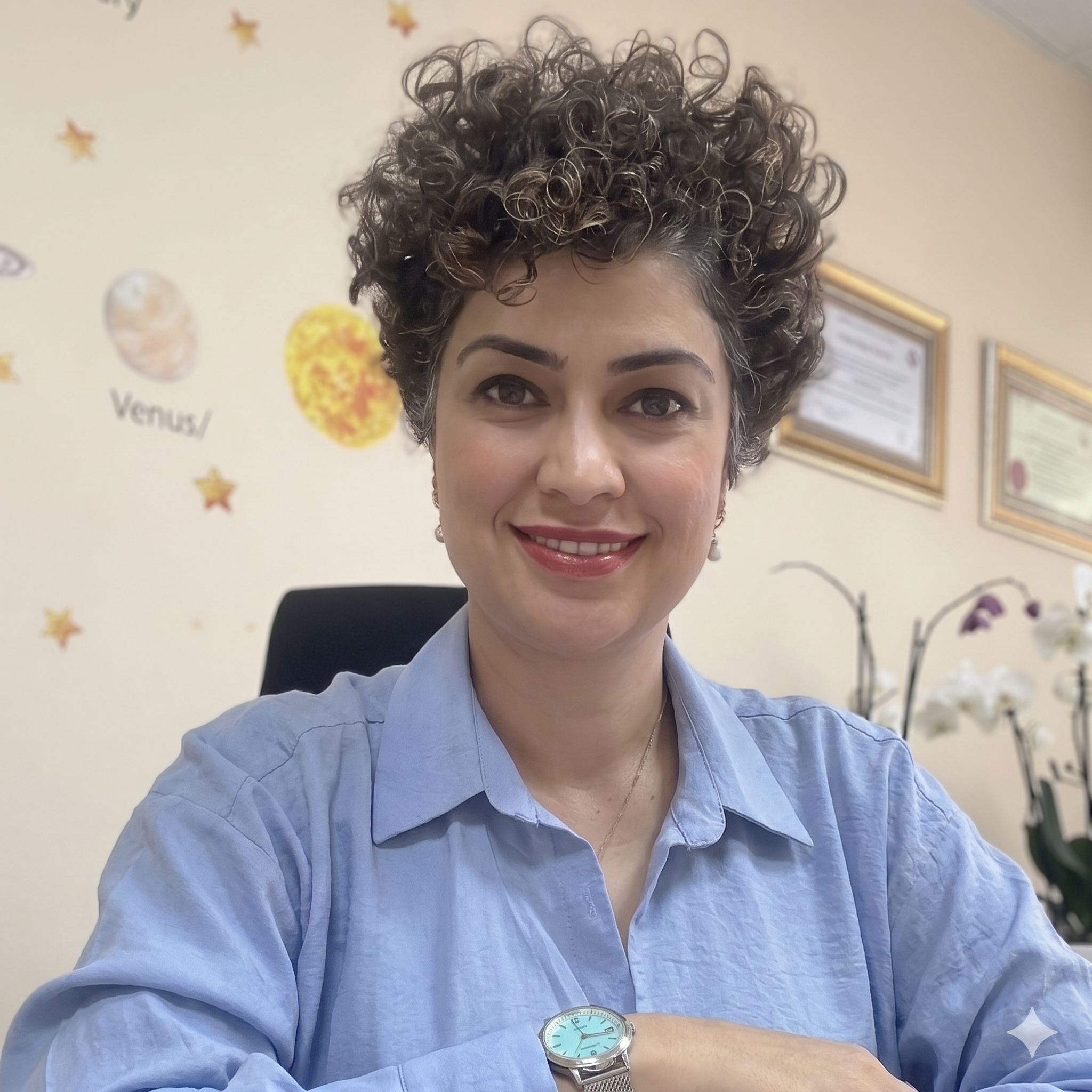
Doç. Dr. Mehtap Eroğlu
Associate Professor, Child and Adolescent Psychiatrist. Completed her specialty training in child and adolescent psychiatry at Ankara University. Over 15 years of clinical experience.
View Full ProfileRelated service: Neurodevelopmental assessment in Ankara
Related Articles

Autism Assessment in Ankara: Early Diagnosis and Intervention Guide

What Is ADOS-2? The Gold Standard in Autism Diagnosis

Child Neglect and Abuse: Signs and What to Do

The Difference Between a Child Psychiatrist and a Psychologist

Social Media and Body Image in Adolescents