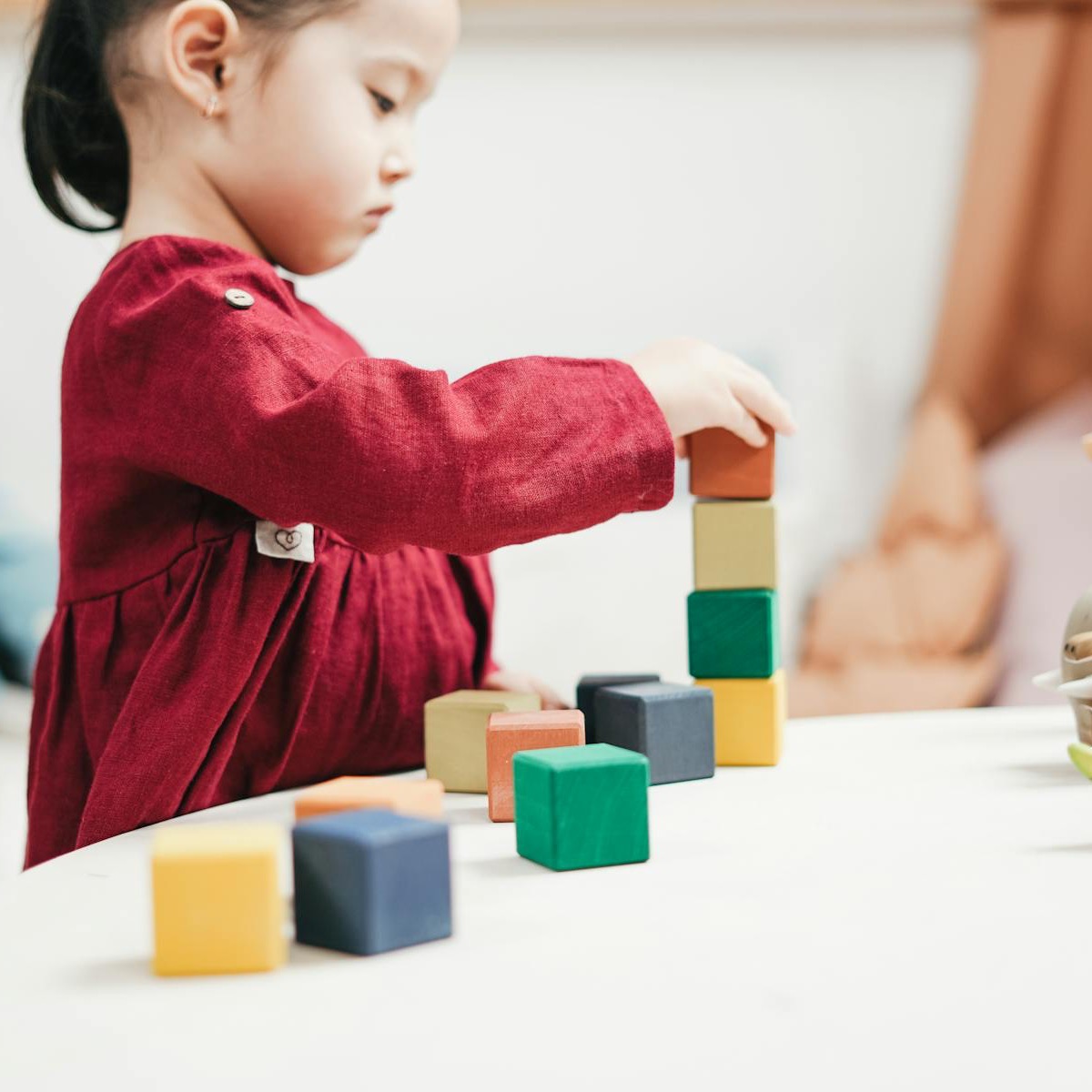


Concealing the truth to protect a child usually backfires. Children notice the change at home and fill the unexplained gap with scenarios of their own.
Breaking the news of a death to a child is among the hardest moments parents face. The family is carrying its own grief while trying to protect the child. That wish to protect often turns into a well-meaning mistake: softening the truth, postponing it, or not telling at all.
Yet children notice the change at home. A gap that goes unexplained is filled with scenarios the child constructs, and those scenarios are usually more frightening than the truth.
This article covers how to explain death in age-appropriate terms, how children experience grief, which reactions are normal, and when professional support is needed.
Key Points
- The reality of death should be explained to children in age-appropriate but clear language; euphemisms such as "went to sleep", "we lost them" or "left us" create anxiety and fear.
- Children's grief runs differently from adults': it is intermittent, wave-like and interwoven with play. Playing does not mean the child is denying the loss.
- Fully grasping the concept of death depends on cognitive development; a preschool child cannot understand that death is irreversible.
- Children frequently blame themselves: the thought "it happened because I was angry" is common at this age and must be addressed explicitly.
- Prolonged loss of functioning, regression, expressions of wanting to die, or persistent physical complaints warrant specialist assessment.
How Do Children Understand Death?
The concept of death has four components: irreversibility, cessation of function, universality (everyone dies), and causality. Grasping these develops with age.
Ages 0-2
An infant does not understand death conceptually but senses the absence of a caregiver and the emotional climate at home. Their response is bodily: disrupted sleep and feeding, restlessness, heightened reaction to separation.
What is needed at this stage is not explanation but preserving routine and keeping the caregiver constant.
Ages 2-5
The child cannot grasp that death is irreversible. Asking "when is he coming back?" repeatedly is not defiance but a cognitive limit. Each time the question is asked, the child needs the same patient answer.
Magical thinking is prominent at this age: the child believes their own thoughts influence events. This can produce guilt such as "I was angry with him, that's why he died."
Ages 6-11
The child grasps that death is irreversible and universal. With that understanding comes anxiety: they realise their parents could also die, separation anxiety may increase, and falling asleep may become difficult.
At this age children ask concrete, detailed questions about death: what happens to the body, does it hurt, what is in the grave. These questions reflect curiosity, are not pathological, and should be answered honestly.
Adolescence
Adolescents understand death as adults do, but their emotional response is more intense. They may hide their grief from adults, turn towards their friendship group, or conversely withdraw completely. Existential questioning and a search for justice and meaning come to the fore.
What to Consider When Explaining Death
Use Clear, Concrete Language
Saying "died" feels hard, but it is the right word. Euphemisms create misunderstandings and new fears:
- "Went to sleep" → the child may become afraid of sleeping
- "We lost them" → fear of getting lost; anxiety about being lost themselves
- "Left us" → a sense of abandonment, anger
- "Went on a long journey" → waiting for their return
- "Taken because they were so loved" → the idea that being loved is dangerous
Instead, a concrete explanation: "Grandad's heart stopped working. His body doesn't work any more. This doesn't reverse; we won't see Grandad again."
Who Should Tell, When and Where?
The news should be given by an adult close to the child, ideally a parent. It should be told in a familiar, safe setting, at a time when the child can cry and ask questions — not right before school or at bedtime.
Postponing does not help. When a child learns the truth from someone else, by overhearing, or from social media, trust is damaged.
Answer Questions Honestly
A child may ask the same question repeatedly. This is not because they did not understand the answer, but because it is how they digest the reality.
Saying "I don't know" to a question you cannot answer is appropriate. Questions such as "what happens when you die" can be met with a frame consistent with the family's beliefs, provided it is not frightening.
Phrases to Avoid
Some well-meant sentences do not help the child:
- "You're the man of the house now" / "You'll look after your mother" — Places a responsibility the child cannot carry and postpones their own grief.
- "Don't cry, be strong" — Teaches that feelings must be suppressed.
- "They're in a better place" — The child may read this as "then why are we sad?"
- "You'll forget, it passes with time" — Invalidates the child's pain in the moment.
What works instead are sentences that name the feeling and signal your presence: "I know you're very sad. I'm here."
Do Not Hide Your Own Grief
Seeing a parent cry does not harm a child; it teaches that sadness is normal. Naming the feeling helps: "I'm crying because I miss your grandad very much. It's normal to be sad."
Hidden grief teaches a child that they too must hide their feelings.
How Does Grief Look in Children?
Children's grief differs from adults', and families often misread that difference.
Intermittent Grief
A child cries one moment and returns to play the next. This does not mean they are not sad or have forgotten. Children cannot carry intense emotion continuously; they process it in small pieces. Play is the most important vehicle for that processing.
Normal Reactions
- Sadness, crying episodes, outbursts of anger
- Separation anxiety: not wanting to leave the parent's side
- Sleep problems, nightmares
- Regression: bedwetting, baby talk, thumb sucking
- Temporary decline in school performance, poor concentration
- Physical complaints: abdominal pain, headache
- Repetitive play or questions about the person who died
- Saying they have seen or heard the person who died
All of these are ordinary parts of grief, and most lose intensity within weeks. When families avoid reading them as signs of illness, unnecessary anxiety is prevented.
Guilt and Self-Blame
A considerable proportion of children hold themselves responsible for the death. Thoughts such as "because I didn't do as I was told", "because I didn't visit when he was ill", or "because I was angry with her once" are common.
The child may not voice this thought. It should therefore be addressed directly, without waiting: "None of this is your fault. Nobody's thoughts or anger can cause someone to die."
Loss of a Sibling
Sibling loss is among the most complex forms of childhood grief and is frequently overlooked. When the family's whole attention turns to the child who died and to the parents' grief, the surviving sibling quietly withdraws.
Two feelings are common in these children. The first is survivor guilt: "why them and not me." The second is suppressing their own grief so as not to upset their parents; the child settles into the role of "the strong one."
A child who has lost a sibling needs space opened for them separately and directly. That the family asks about this child's grief, even within its own pain, is decisive.
Loss of a Pet
For many children the first experience of death is the death of a pet. This loss should not be belittled; it is a real grief for the child and also the first lesson in the concept of death.
Getting a new animal immediately, however well meant, leads to the grief being skipped. It is healthier to say goodbye first, allow sadness, and only afterwards discuss a new pet.
The Funeral and Saying Goodbye
Whether a child should attend the funeral is a frequent question. The general approach is this: offer the child a choice; do not compel.
If they will attend, what they will see should be explained beforehand: who will be there, that people will cry, what the coffin looks like, how long it will take. For an unprepared child a funeral can be traumatic; for a prepared child it is part of saying goodbye.
A familiar adult who can take the child out of the setting if needed should be with them.
For a child who does not or cannot attend, other ways of saying goodbye can be created: writing a letter, drawing a picture, making a memory box, planting a tree.
Maintaining the Bond
The aim of grief is not to forget the person who died. Contemporary understanding regards continuing the bond in a new form as healthy.
For a child this bond can be built through concrete means: making a memory box, gathering photographs in an album, writing a letter to the person who died, cooking a food they loved, lighting a candle on their birthday.
These rituals do not prolong grief; they give the child a predictable space in which to express feeling.
Anniversaries and Special Days
Grief does not follow a calendar. Reactions may intensify again around the anniversary of the death, birthdays, religious holidays, mother's and father's day, and the first day of school.
These returns do not mean the process has broken down. They are natural waypoints that invite the family to be prepared. Discussing these days in advance and planning them with the child stops the day being a surprise collapse.
When Is Specialist Support Needed?
Grief is not an illness, and most children come through with family support. However, a child and adolescent psychiatrist should be consulted in the following situations:
- Symptoms have lasted more than six months and are not decreasing in intensity
- The child cannot attend school or has withdrawn entirely from friends
- They express a wish to die or thoughts of self-harm
- Signs of regression have persisted for a long time
- There are persistent physical complaints with no medical cause
- They do not accept that the person has died
- Guilt is persistent and cannot be soothed
- The death occurred through a traumatic event (accident, suicide, violence, disaster)
- The person who died is a mother, father or sibling
The last two points matter particularly: early assessment is recommended in traumatic losses and in the loss of a first-degree relative.
Treatment Approaches
Grief-Focused Psychotherapy
At Assoc. Prof. Mehtap Eroglu's practice in Ankara, grief work with children is mostly conducted through play, drawing and story. The aim is not to remove grief but to open a safe space in which the child can express feeling, and to accompany them in making sense of the loss.
Traumatic Grief
Where the death was sudden, violent or witnessed, the picture may become traumatic grief. The child then becomes unable to think about the loss; every act of remembering brings back the traumatic scene. Trauma-focused cognitive behavioural therapy is an effective approach here.
Family Work
A parent's own grief directly determines the support they can give the child. Family sessions are therefore an integral part of the process. A grieving parent may also need support, and accepting that is a precondition of helping the child.
Medication
In Assoc. Prof. Mehtap Eroglu's approach, medication is not used for grief itself. It is considered where a distinct depression, anxiety disorder or post-traumatic stress disorder has been added to the grief.
Loss of a Parent: A Particular Situation
The loss of a mother or father is among the most severe life events of childhood and should be handled differently from other losses.
Two core needs come to the fore in these children. The first is rebuilding the sense of security: the child wants to know concretely who will care for them and how life will continue. Clear sentences such as "I will look after you, you will carry on at your school, we will stay in this house" are far more soothing than abstract consolation.
The second is preserving routine. Keeping school, sleep and eating patterns as stable as possible after the loss tells the child that the world has not entirely fallen apart.
The surviving parent's own grief is also decisive here. If that parent has collapsed, the child often reverses roles and takes on the task of protecting them. This may look functional in the short term but postpones the child's own grief. Supporting the surviving parent is therefore a direct part of helping the child.
The School's Role
Contact with the school, with the family's consent, matters. A teacher who knows what has happened will not read the child's distraction or anger as a disciplinary problem.
What should be shared with the school is not detail but a frame: what happened, what the child may need, and whom they can approach when struggling. Contact with counselling services in schools in Ankara proves decisive, particularly in the first weeks of the child's return. Raising the subject in front of the class or singling the child out for special treatment usually does not help.
Expert Opinion
According to Assoc. Prof. Mehtap Eroglu, the situation encountered most often in childhood grief referrals is a family concealing the truth in order to protect the child, while the child has already sensed it. What goes unsaid does not protect a child; it only leaves them alone.
Clinical experience from consultations in Ankara shows that children who learn the truth in clear language process grief more healthily. Uncertainty is filled with scenarios the child constructs, and those can be heavier than the reality.
Assoc. Prof. Mehtap Eroglu also emphasises that parents hiding their own grief is a common mistake. A crying parent does not harm a child; it teaches that feelings can be lived. Hidden grief teaches the child to conceal their own.
A further important point is that grief does not progress by the calendar. Anniversaries, birthdays and holidays can re-intensify reactions. These returns do not mean the process has gone wrong.
Assessment and Appointment Process in Ankara
Referrals for grief in Ankara usually occur a few months after the loss, when the family notices that the child's reactions are not subsiding. In traumatic losses, early referral is recommended; there is no need to wait.
At Assoc. Prof. Mehtap Eroglu's practice in Ankara, assessment begins with how the loss occurred and how it was conveyed to the child. What the child knows, what they understood, and whether they hold themselves responsible are addressed separately. Sleep, appetite, school functioning and physical complaints are then screened. A frequent pattern in referrals in Ankara is that the family has not connected the child's reactions to the loss; they arrive thinking the drop in school performance or the outbursts of anger are a separate problem.
The family's own grief is part of the assessment. In consultations in Ankara, supporting the parent is treated as a precondition of the help that can be given to the child.
If you are seeking support for your child's grief in Ankara, you can review our psychotherapy service and request an appointment.
In Summary
Children grieve differently from adults: intermittently, in waves, interwoven with play. That they play does not mean they are not sad.
The reality of death should be explained in age-appropriate but clear language, avoiding euphemisms. Whether the child blames themselves should be asked directly, without waiting for them to raise it.
Grief is not an illness and most children come through it with family support. Where symptoms persist beyond six months, functioning is markedly impaired, there are expressions of wanting to die, or the loss was traumatic, a child and adolescent psychiatrist should be consulted.
For the symptoms and treatment of post-traumatic stress disorder, see our guide to PTSD.
Frequently Asked Questions
Ölümü çocuğa nasıl anlatmalıyım?
Yaşa uygun ama açık bir dille. 'Öldü' kelimesini kullanmak zor gelir ancak doğrusu budur. Somut bir açıklama yapın: 'Dedenin kalbi çalışmayı durdurdu. Bedeni artık çalışmıyor. Bu geri dönmez.' Haberi çocuğa yakın olduğu bir yetişkin, tanıdık ve güvenli bir ortamda, çocuğun ağlayabileceği ve soru sorabileceği bir zamanda vermelidir.
'Uyudu' veya 'bizi bıraktı gitti' demek neden yanlış?
Örtmeceler çocukta yanlış anlamalar ve yeni korkular yaratır. 'Uyudu' diyen bir çocuk uykudan korkmaya başlayabilir; 'kayboldu' kaybolma korkusu yaratır; 'bizi bıraktı gitti' terk edilme duygusu ve öfke doğurur; 'uzun bir yolculuğa çıktı' çocuğun geri dönmesini beklemesine yol açar.
Çocuğum ağladıktan hemen sonra oyuna dönüyor, üzülmüyor mu?
Bu tamamen olağandır ve çocuk yasının en tipik özelliğidir. Çocuklar yoğun duyguyu kesintisiz taşıyamaz; küçük parçalar hâlinde işler. Oyun bu işlemenin en önemli aracıdır. Oynaması üzülmediği ya da unuttuğu anlamına gelmez.
Çocuğum kendini suçluyor, ne yapmalıyım?
Çocukların önemli bir bölümü ölümden kendini sorumlu tutar; özellikle 2-5 yaş arasında büyülü düşünce nedeniyle 'ben kızdığım için oldu' gibi bir suçluluk kurabilir. Bu düşünce dile getirilmeyebilir, bu yüzden beklenmeden doğrudan söylenmelidir: 'Bunun olmasında senin hiçbir suçun yok. Kimsenin düşüncesi birinin ölmesine sebep olamaz.'
Çocuğumu cenazeye götürmeli miyim?
Genel yaklaşım çocuğa seçenek sunmak, zorlamamaktır. Katılacaksa ne göreceği önceden anlatılmalıdır: kimler olacak, insanlar ağlayacak, tabut nasıl görünüyor, ne kadar sürecek. Yanında, gerektiğinde onu ortamdan çıkarabilecek tanıdık bir yetişkin bulunmalıdır. Katılmayan çocuk için mektup yazma, resim çizme veya anı kutusu gibi başka veda yolları kurulabilir.
Çocuğumun yanında ağlamalı mıyım?
Ebeveynin ağladığını görmek çocuğa zarar vermez; aksine üzülmenin normal olduğunu öğretir. Duygunun adını koymak yararlıdır: 'Ağlıyorum çünkü dedeni çok özledim. Üzülmek normal.' Gizlenen yas ise çocuğa duygularını da gizlemesi gerektiğini öğretir.
Hangi tepkiler olağan, hangileri endişe verici?
Üzüntü, öfke patlamaları, ayrılık kaygısı, uyku sorunları, gerileme (alt ıslatma, bebeksi konuşma), okul performansında geçici düşüş ve bedensel yakınmalar olağandır; çoğu haftalar içinde şiddetini yitirir. Belirtiler altı ayı aşıyor, azalmıyor, çocuk okula gidemiyor, ölüm isteği dile getiriyor veya suçluluk yatıştırılamıyorsa uzman değerlendirmesi gerekir.
Kardeşini kaybeden çocuk için ne yapmalıyım?
Kardeş kaybı en karmaşık yas biçimlerinden biridir ve çoğu zaman gözden kaçar. Ailenin dikkati kaybedilen çocuğa ve ebeveyn yasına yönelirken hayatta kalan kardeş sessizce geri çekilir. Bu çocuklarda hayatta kalma suçluluğu ve kendi yasını bastırma sıktır. Ona ayrıca ve doğrudan alan açılmalı, yası sorulmalıdır.
Evcil hayvan ölümü de yas sayılır mı?
Evet. Pek çok çocuk için ilk ölüm deneyimi bir evcil hayvanın ölümüdür ve bu gerçek bir yastır. Küçümsenmemelidir. Hemen yeni bir hayvan almak, iyi niyetli olsa da yasın atlanmasına yol açar. Önce veda edilmesi, üzülmeye izin verilmesi ve sonrasında yeni bir hayvanın konuşulması daha sağlıklıdır.
Yıl dönümlerinde tepkiler yeniden artıyor, normal mi?
Evet. Yas takvimle ilerlemez. Ölüm yıl dönümü, doğum günleri, bayramlar ve okulun ilk günü gibi zamanlarda tepkiler yeniden yoğunlaşabilir. Bu geri dönüşler sürecin bozulduğu anlamına gelmez. Bu günlerin önceden konuşulması ve çocukla birlikte planlanması, günü sürpriz bir çöküş olmaktan çıkarır.
References
- Worden, J. W. (1996). Children and Grief: When a Parent Dies. Guilford Press.
- Cohen, J. A., Mannarino, A. P., & Deblinger, E. (2017). Treating Trauma and Traumatic Grief in Children and Adolescents (2nd ed.). Guilford Press.
- Speece, M. W., & Brent, S. B. (1984). Children's Understanding of Death: A Review of Three Components of a Death Concept. Child Development, 55(5), 1671-1686.
- Dowdney, L. (2000). Annotation: Childhood Bereavement Following Parental Death. Journal of Child Psychology and Psychiatry, 41(7), 819-830.
- Melhem, N. M., Porta, G., Shamseddeen, W., Walker Payne, M., & Brent, D. A. (2011). Grief in Children and Adolescents Bereaved by Sudden Parental Death. Archives of General Psychiatry, 68(9), 911-919.
- Kaplow, J. B., Layne, C. M., Pynoos, R. S., Cohen, J. A., & Lieberman, A. (2012). DSM-V Diagnostic Criteria for Bereavement-Related Disorders in Children and Adolescents. Psychiatry, 75(3), 243-266.
- Klass, D., Silverman, P. R., & Nickman, S. L. (1996). Continuing Bonds: New Understandings of Grief. Taylor & Francis.
- Christ, G. H., & Christ, A. E. (2006). Current Approaches to Helping Children Cope with a Parent's Terminal Illness. CA: A Cancer Journal for Clinicians, 56(4), 197-212.
- American Psychiatric Association. (2022). Diagnostic and Statistical Manual of Mental Disorders (5th ed., text rev.). DSM-5-TR.

Doç. Dr. Mehtap Eroğlu
Associate Professor, Child and Adolescent Psychiatrist. Over 15 years of clinical experience. Ankara University Faculty of Medicine graduate.
View Full ProfileRelated Articles

Sibling Rivalry in Children: Why It Happens and How to Manage It

Sleep Disorders in Children: Diagnosis, Causes and Treatment Guide

Screen Addiction in Children: Practical Solution Guide for Parents

When Should You Take Your Child to a Child Psychiatrist?

Parenting Counseling Service: Scientific Guidance for Child Development