

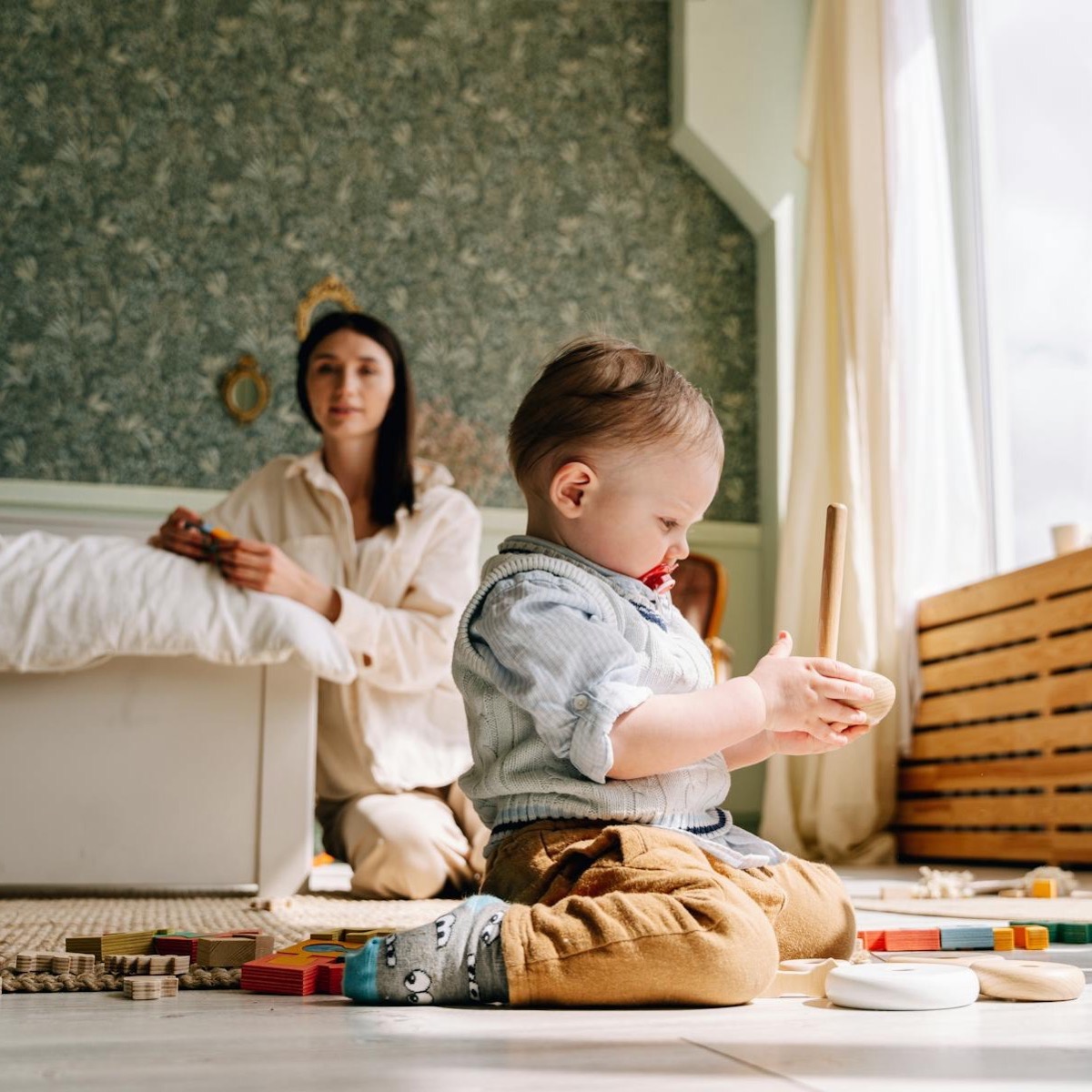
Sleep disorders are common health problems that directly affect children's physical development, cognitive functions, emotional regulation, and academic performance.
What Are Sleep Disorders in Children?
Sleep disorders are common health conditions that directly affect children's physical development, cognitive functioning, emotional regulation, and academic performance. It is known that approximately 25 to 40 percent of children worldwide experience a sleep-related problem at some point in their lives. This rate can reach up to 80 percent in children with neuropsychiatric disorders. In Ankara, childhood sleep problems are among the most frequent reasons for onward referral from paediatrics to child psychiatry.
Sleep does not serve merely a restorative function during childhood. Critical biological processes such as growth hormone secretion, synaptic pruning, memory consolidation, and immune system strengthening occur primarily during sleep. For this reason, sleep disorders create a systemic impact encompassing all areas of a child's development.
According to Assoc. Prof. Mehtap Eroglu, parents dismissing sleep problems with a "they'll grow out of it" attitude may mark the beginning of a process that, if left unaddressed, can become chronic and lay the groundwork for secondary psychiatric conditions. In the DSM-5-TR classification, sleep-wake disorders occupy a separate diagnostic category, with subtypes specific to childhood being defined.
It is important to emphasize that sleep disorders present a different clinical picture in children compared to adults. While daytime sleepiness is prominent in adults, children may manifest irritability, hyperactivity, attention difficulties, emotional dysregulation, and behavioral problems. This can lead to sleep disorders being confused with attention deficit hyperactivity disorder, anxiety disorders, or mood disorders.
Types of Sleep Disorders
Childhood sleep disorders are divided into different subgroups according to their clinical presentation. Each type has its own unique pathophysiology, clinical course, and intervention approaches.
Difficulty Falling and Staying Asleep
Also known as insomnia, this is the most commonly encountered sleep disorder in childhood. According to DSM-5-TR criteria, an insomnia diagnosis requires at least one of the following: difficulty falling asleep, difficulty maintaining sleep, or early morning awakening, occurring at least three nights per week for at least three months, and negatively affecting daytime functioning.
Insomnia in children frequently has a behavioral origin. In sleep-onset association disorder, the child cannot fall asleep without a specific condition -- for example, requiring the mother to lie beside them, being rocked, or using a pacifier. In the limit-setting difficulty type, the child resists bedtime and the parent struggles to set consistent limits. A mixed type in which both presentations co-occur is also frequently encountered in clinical practice.
According to Assoc. Prof. Mehtap Eroglu, correctly assessing the underlying mechanism of sleep-onset difficulty is decisive for effective intervention planning. Behavioral insomnia and anxiety-related insomnia require different approaches, and careful differential diagnosis is essential.
Night Terrors and Nightmares
Night terrors (sleep terrors) and nightmares are among the commonly seen parasomnias in children, yet they are distinct clinical conditions.
Night terrors typically occur during the first third of the night, during deep sleep (Non-REM Stage 3). The child awakens with a sudden scream, displays intense signs of fear, and sweating, tachycardia, and agitation are observed. However, the child is not fully awake and does not remember the event in the morning. Night terrors are more prevalent between ages three and seven and are most often triggered by sleep deprivation, irregular sleep schedules, or stress.
Nightmares occur during the second half of the night, during REM sleep. The child wakes up, remembers the dream, and can describe the fear in detail. Nightmares are more commonly seen between ages six and ten. Recurrent nightmares may signal traumatic experiences, anxiety disorders, or stressors.
The key criterion determining the clinical significance of both conditions is their frequency, impact on the child's and family's quality of life, and effect on daytime functioning.
Sleepwalking
Sleepwalking, known as somnambulism, is an arousal disorder that occurs during deep sleep. The child rises from bed while sleeping, wanders around the room or house, and may sometimes perform complex behaviors. Although their eyes are open, they are not in full interaction with their surroundings and generally do not remember the event the next morning.
The prevalence of sleepwalking in childhood ranges from 1 to 17 percent, peaking between ages four and eight. Genetic predisposition is an important factor; if one parent has a history of sleepwalking, the risk in the child increases significantly. Sleep deprivation, febrile illnesses, a full bladder, and stress are among the triggering factors.
According to Assoc. Prof. Mehtap Eroglu, the primary approach in sleepwalking is ensuring safety measures. Environmental arrangements such as stairway gates, window locks, and placing sharp objects out of reach are critically important for preventing injuries that may occur during episodes.
Bruxism (Teeth Grinding)
Sleep bruxism is a movement disorder characterized by rhythmic clenching or grinding of the teeth during sleep. Its prevalence in children has been reported between 3 and 49 percent, with this wide range stemming from differences in diagnostic criteria.
Bruxism can lead to tooth wear, jaw pain, headaches, and deterioration in sleep quality. Stress, anxiety, malocclusion, upper airway obstruction, and certain neurological conditions are counted among the risk factors. Studies have shown that the prevalence of bruxism is higher in children with attention deficit hyperactivity disorder.
Sleep Apnea
Obstructive sleep apnea syndrome is a serious sleep disorder manifested by recurrent episodes of breathing pauses caused by partial or complete obstruction of the upper airway during sleep. Its prevalence in children ranges from 1 to 5 percent and is most commonly seen between ages two and eight, the period when adenotonsillar hypertrophy is most prominent.
Snoring, mouth breathing, restlessness during sleep, abnormal sleep positions, enuresis, and daytime symptoms such as attention difficulties, behavioral problems, and academic failure are components of the clinical picture. Untreated sleep apnea has been shown to lead to cardiovascular complications, growth retardation, and neurocognitive deterioration.
Normal Sleep Durations by Age
Assessing whether a child's sleep duration is appropriate for their age is an important reference point in diagnosing sleep disorders. The current recommendations of the American Academy of Sleep Medicine (AASM) are as follows:
For infants aged four to twelve months, 12 to 16 hours of sleep per day including daytime naps is recommended. For children aged one to two years, this duration is 11 to 14 hours. In the three to five age group, 10 to 13 hours including daytime naps, between ages six and twelve, 9 to 12 hours, and for adolescents aged thirteen to eighteen, 8 to 10 hours of sleep is considered adequate.
According to Assoc. Prof. Mehtap Eroglu, while these values provide a general framework, each child's individual sleep needs may vary. What matters is that the child can wake up spontaneously in the morning, is energetic and functional during the day, and that developmental processes are progressing at expected levels.
Symptoms of Sleep Disorders
Signs suggesting the presence of a sleep disorder in children can be evaluated in two main groups: nighttime and daytime findings.
Nighttime findings include persistent resistance to going to bed, sleep onset taking longer than thirty minutes, frequent nighttime awakenings with inability to fall back asleep, snoring and breathing irregularities, excessive sweating, restless sleep, frequent recurrence of night terrors or nightmares, sleepwalking episodes, teeth grinding, and enuresis (bedwetting).
Daytime findings include difficulty waking in the morning, fatigue and low energy throughout the day, attention and concentration problems, irritability and emotional lability, hyperactive or impulsive behaviors, declining school performance, daytime napping, and deterioration in social relationships.
A point that particularly needs emphasis is that sleep insufficiency in children, unlike in adults, can manifest as excessive motor activity, impulsivity, and inattention rather than sleepiness. This presentation can clinically overlap with attention deficit hyperactivity disorder and requires careful evaluation in differential diagnosis.
Causes and Risk Factors
The etiology of sleep disorders in children is multifactorial and involves the interaction of biological, psychological, environmental, and sociocultural components.
Biological factors include genetic predisposition, neurodevelopmental differences, adenotonsillar hypertrophy, allergic rhinitis, asthma, gastroesophageal reflux, iron deficiency, and thyroid function disorders. Neuropsychiatric conditions such as attention deficit hyperactivity disorder, autism spectrum disorder, anxiety disorders, and mood disorders have high comorbidity rates with sleep disorders.
When psychological factors are considered, conditions such as separation anxiety, school stress, traumatic experiences, witnessing parental conflict, sibling jealousy, and peer bullying can trigger or maintain sleep disorders.
Among environmental factors, irregular sleep schedules, unsuitable sleep environments (excessive light, noise, temperature), screen exposure before bedtime, caffeinated beverage consumption, insufficient physical activity, and inconsistent parental sleep practices are prominent. According to Assoc. Prof. Mehtap Eroglu, it is critically important that electronic devices emitting blue light be set aside at least one hour before bedtime in order to preserve the physiological cycle of melatonin secretion.
Sociocultural factors should not be overlooked either. The family's sleep culture, parents' own sleep patterns, socioeconomic status, the physical conditions of the dwelling, and cultural norms directly shape a child's sleep habits.
Diagnostic Process
Diagnosing sleep disorders in children requires a comprehensive clinical evaluation process. This process consists of detailed history-taking, physical examination, and additional investigations when necessary.
During history-taking, the child's sleep history is thoroughly explored. Bedtime, sleep onset latency, number and duration of nighttime awakenings, morning wake time, daytime naps, sleep environment, and pre-sleep routines are evaluated. The BEARS screening tool (Bedtime resistance, Excessive daytime sleepiness, Awakenings during the night, Regularity and duration of sleep, Snoring) is a practical clinical instrument that can be used for systematic screening of sleep problems in children.
A sleep diary, maintained for at least two weeks, is an important assessment tool that objectively documents the child's sleep-wake pattern. Parents are asked to record parameters such as bedtime, sleep onset latency, nighttime awakenings, morning wake time, and daytime naps.
During physical examination, particular attention is given to the upper airways, adenoid and tonsil size, craniofacial structure, neurological examination, and growth parameters.
Polysomnography is the gold standard diagnostic method for specific indications, particularly when sleep apnea is suspected. Brain waves (EEG), eye movements (EOG), muscle activity (EMG), heart rhythm, respiratory parameters, and oxygen saturation are simultaneously recorded during sleep.
According to Assoc. Prof. Mehtap Eroglu, conducting at least two psychiatric evaluation sessions during the diagnostic process, observing the child under different conditions, and evaluating both parent and teacher reports together are necessary for an accurate and comprehensive clinical formulation.
DSM-5-TR sleep-wake disorder categories -- including insomnia disorder, hypersomnolence disorder, narcolepsy, breathing-related sleep disorders, circadian rhythm sleep-wake disorders, Non-REM sleep arousal disorders, nightmare disorder, REM sleep behavior disorder, and restless legs syndrome -- form the diagnostic framework that is also applicable during childhood.
Treatment Methods
Treatment of sleep disorders in children requires an individualized and often multicomponent approach. Treatment planning is shaped according to the type and severity of the disorder, underlying causes, and the child's developmental level.
Sleep Hygiene Education
Sleep hygiene encompasses behavioral and environmental modifications aimed at establishing and maintaining healthy sleep habits. It forms the foundation of the treatment process and is applied as a first-line intervention in virtually every sleep disorder.
Establishing a regular sleep-wake schedule is the cornerstone of sleep hygiene. It is recommended that the difference in bedtimes and wake times between weekdays and weekends should not exceed thirty to sixty minutes. A bedtime routine consisting of calming activities should begin approximately thirty to forty-five minutes before bedtime. This routine may include predictable steps such as brushing teeth, putting on pajamas, and reading a book.
Arranging the sleep environment is also a critical component. The bedroom should be cool, dark, and quiet. The bed should be associated only with sleep, and stimulating activities such as playing games or using screens should be removed from the bedroom. It is recommended that screen use be discontinued at least one hour before bedtime, caffeinated foods and drinks be restricted from the afternoon onward, and heavy meals not be consumed just before bed.
Behavioral Interventions
Behavioral interventions have a strong evidence base as the first-line treatment, particularly in behavioral insomnia.
In the graduated extinction method, the parent gradually extends the response time to the child's crying or calling after being put to bed. Through this process, the child learns the skill of falling asleep independently. Unlike the full extinction method, the parent making brief check-in visits at set intervals both preserves the child's sense of security and reduces parental anxiety.
The scheduled awakenings method can be used for Non-REM parasomnias such as night terrors and sleepwalking. The parent gently rouses the child fifteen to thirty minutes before the typical episode time, restarting the sleep cycle and aiming to prevent the episode.
The positive routines and faded bedtime method involves putting the child to bed at the time they are ready to fall asleep and gradually advancing the bedtime toward the target.
According to Assoc. Prof. Mehtap Eroglu, the success of behavioral interventions largely depends on the parent's consistency, patient application, and all caregivers adopting the same approach. Adapting the intervention plan with consideration for family-specific circumstances significantly increases treatment adherence.
Cognitive Behavioral Therapy
Cognitive behavioral therapy (CBT) is an evidence-based psychotherapy method for treating insomnia, particularly in school-age children and adolescents. The CBT for Insomnia (CBT-I) protocol consists of sleep hygiene education, stimulus control, sleep restriction, cognitive restructuring, and relaxation technique components.
In the cognitive component, the child's dysfunctional thoughts about sleep (for example, catastrophizing thoughts such as "if I can't sleep, terrible things will happen" or "I'll never be able to sleep normally") are identified and replaced with more realistic, adaptive thoughts.
In anxiety-related sleep difficulties, anxiety management techniques, exposure exercises, and emotion regulation strategies are integrated into the treatment plan. For young children with separation anxiety, age-appropriate strategies such as gradual distancing and use of transitional objects may be applied.
Medication Treatment
Pharmacological treatment of sleep disorders in children is an option that should be carefully considered when behavioral and psychotherapeutic interventions prove insufficient. The decision should be made following a comprehensive clinical evaluation by a child and adolescent psychiatrist, based on an individual benefit-risk analysis.
Melatonin is the most commonly used agent for delayed sleep onset and circadian rhythm disorders. Its effectiveness in shortening sleep latency has been demonstrated particularly in children with autism spectrum disorder and attention deficit hyperactivity disorder. However, it should not be overlooked that long-term safety data for melatonin in children remain limited and that dosage, duration, and timing of administration must be individualized.
According to Assoc. Prof. Mehtap Eroglu, medication should never be considered as a standalone solution; it should always be addressed alongside behavioral interventions and sleep hygiene practices and monitored through regular follow-up appointments.
Practical Recommendations for Parents
Strategies that parents can implement in daily life play a fundamental role in improving a child's sleep quality.
Establish a consistent sleep schedule. Maintaining the same bedtime and wake-time routine every day contributes to regulating the child's biological clock. Weekend flexibility should be kept limited.
Set a calming pre-bedtime routine. A predictable sequence of steps such as bathing, brushing teeth, putting on pajamas, and reading together facilitates the child's transition to sleep.
End screen use at least one hour before bedtime. Blue light emitted from television, tablet, and smartphone screens suppresses melatonin secretion, prolonging the time it takes to fall asleep.
Make your child's bedroom a sleep-friendly environment. A dark, cool, and quiet room environment supports sleep quality. Blackout curtains, appropriate room temperature, and white noise machines can be used for this purpose.
Encourage physical activity but avoid vigorous exercise close to bedtime. While adequate physical activity during the day positively affects nighttime sleep quality, intense activity within two to three hours of bedtime can have a stimulating effect.
Support your child in falling asleep independently. By putting the child to bed before they fall asleep, you allow them to develop the skill of self-soothing. This skill also makes it easier to fall back asleep after nighttime awakenings.
Take sleep-related anxieties seriously and validate your child's emotions. Rather than dismissing fears such as fear of the dark or being alone, develop strategies that enhance the child's sense of security.
According to Assoc. Prof. Mehtap Eroglu, it is also important for parents to review their own sleep habits. Children shape their own habits by modeling their parents' sleep behaviors. Developing a healthy sleep culture as a whole family ensures that the child's sleep health is built on sustainable foundations.
Expert Opinion
According to Assoc. Prof. Mehtap Eroglu, sleep disorders in children are not merely a nighttime problem but a health matter affecting all areas of a child's development. Clinical experience shows that the prognosis of sleep problems recognized early and managed appropriately is quite favorable. In a significant proportion of children presenting with sleep complaints in Ankara, an anxiety pattern belonging to daytime hours underlies the problem.
It is important to emphasize that sleep disorders frequently co-occur with other psychiatric conditions and can sometimes be a symptom of a disorder and other times a trigger. It is clear that sleep assessment should be an integral part of routine clinical practice in conditions such as attention deficit hyperactivity disorder, anxiety disorders, depression, autism spectrum disorder, and post-traumatic stress disorder.
Parents are advised not to normalize their children's sleep problems while also seeking professional support without excessive alarm. When sleep difficulties occur more than three nights per week, persist for longer than one month, impair the child's daytime functioning, or significantly affect family life, evaluation by a child and adolescent psychiatrist is appropriate.
Every child's sleep needs and sleep patterns are unique. Individualized assessment and family-specific treatment planning are the keys to successful outcomes.
Sleep Disorder Assessment in Ankara
Most referrals for sleep problems in Ankara follow months of accumulated exhaustion. Families usually consult a paediatrician first and are referred on to child psychiatry when no physical cause is found. At this point the aim of assessment is to distinguish whether the sleep problem is a primary sleep disorder or a symptom of a condition such as anxiety, attention deficit, or depression.
Assessment at Assoc. Prof. Mehtap Eroglu's practice in Ankara begins with a two-week sleep diary. Bedtime, time taken to fall asleep, night waking, morning waking time, and daytime naps are all recorded. This record can reveal a picture different from what the family recalls and clarifies the target of intervention. The interview also asks about snoring, night sweating, and sleeping with the mouth open; where these are present, an ear, nose and throat assessment or polysomnography may be arranged to investigate sleep apnoea.
The question families in Ankara ask most often is whether medication will be necessary. For the majority of childhood sleep problems, the first-line approach is behavioural: adjusting sleep hygiene, establishing a consistent bedtime routine, limiting evening screen use, and associating the bedroom solely with sleep. Medication is considered in selected cases and when the behavioural approach proves insufficient.
If you would like to arrange an assessment for your child's sleep problems in Ankara, you can find information about the child psychiatry service and request an appointment.
In Summary
Sleep disorders in children, despite being common, are important health conditions that are frequently overlooked or misassessed. Different clinical presentations such as insomnia, night terrors, nightmares, sleepwalking, bruxism, and sleep apnea can negatively impact a broad range of areas from the child's physical growth and cognitive development to emotional regulation and academic performance. Support obtained early for sleep problems in Ankara directly affects the quality of life of the whole family.
The diagnostic process requires a comprehensive evaluation that includes detailed clinical history, sleep diaries, physical examination, and when necessary, tools such as polysomnography. Diagnostic formulation within the DSM-5-TR framework provides the foundation for effective treatment planning.
In the treatment approach, sleep hygiene education and behavioral interventions occupy the first line. Cognitive behavioral therapy is an effective psychotherapy method, particularly for anxiety-related sleep difficulties. Medication may be added to the treatment plan in selected cases following specialist assessment.
Parents' establishment of consistent sleep routines, provision of an appropriate sleep environment, regulation of screen use, and support for the child's independent sleep skills play a determining role in protecting sleep health. When sleep problems are persistent, impair daytime functioning, or negatively affect family life, consulting a child and adolescent psychiatrist is the most appropriate step.
For the sleep disorder diagnosis and treatment process in Ankara and appointment details, see our article on sleep disorder treatment in Ankara.
Frequently Asked Questions
Çocuğumun uyku sorunu olduğunu nasıl anlarım?
Yatağa yatmaya sürekli direnç gösterme, uykuya dalma süresinin 30 dakikayı aşması, gece sık uyanma, horlama, sabah uyanmada güçlük, gündüz aşırı yorgunluk, dikkat dağınıklığı, irritabilite ve okul başarısında düşme gibi belirtiler uyku bozukluğuna işaret edebilir. Bu belirtiler haftada üçten fazla gecede görülüyor ve bir aydan uzun sürüyorsa profesyonel değerlendirme önerilir.
Çocuğumun yaşına göre kaç saat uyuması gerekir?
Amerikan Uyku Tıbbı Akademisi önerilerine göre 4-12 aylık bebekler 12-16 saat, 1-2 yaş 11-14 saat, 3-5 yaş 10-13 saat, 6-12 yaş 9-12 saat ve 13-18 yaş arası ergenler 8-10 saat uyumalıdır. Bu süreler gündüz uykularını da kapsar ve bireysel farklılıklar olabilir.
Gece korkusu ile kabus arasındaki fark nedir?
Gece korkuları gecenin ilk üçte birinde derin uyku sırasında görülür; çocuk çığlık atar, ajite olur ancak tam uyanık değildir ve sabah olayı hatırlamaz. Kabuslar ise gecenin ikinci yarısında REM uykusunda ortaya çıkar; çocuk uyanır, rüyasını hatırlar ve anlatabilir. İkisi farklı uyku evrelerinde meydana gelen ayrı klinik tablolardır.
Çocuğum yatmadan önce ekran kullanabilir mi?
Yatmadan en az bir saat önce tüm ekranların kapatılması önerilmektedir. Televizyon, tablet ve telefon ekranlarından yayılan mavi ışık, uyku hormonu melatoninin salgılanmasını baskılayarak uykuya dalma süresini uzatır ve uyku kalitesini düşürür. Yatma öncesi kitap okuma, hafif müzik dinleme gibi sakinleştirici aktiviteler tercih edilmelidir.
Çocuğumun uyurgezerlik sorunu var, ne yapmalıyım?
Öncelikle güvenlik önlemleri alınmalıdır: merdiven korkulukları, pencere kilitleri, kesici aletlerin ulaşılmaz yerlere konması ve yatak odasında engellerin kaldırılması önemlidir. Atak sırasında çocuğu zorla uyandırmaya çalışmayın, nazikçe yatağına yönlendirin. Düzenli uyku programı ve yeterli uyku süresi sağlamak atakları azaltabilir. Ataklar sık ve şiddetliyse uzman değerlendirmesi önerilir.
Melatonin takviyesi çocuklarda güvenli midir?
Melatonin, çocuk ve ergen psikiyatristi gözetiminde ve uygun endikasyonlarda kullanıldığında kısa vadeli güvenlilik profili olumlu olan bir ajandır. Ancak uzun vadeli güvenlilik verileri hâlâ sınırlıdır. Doz, süre ve zamanlama bireyselleştirilmelidir. Melatoninin reçetesiz kullanılmaması ve mutlaka uzman önerisiyle başlanması gerekmektedir.
Çocuğumun horlama sorunu normal midir?
Ara sıra hafif horlama soğuk algınlığı gibi durumlarda normal kabul edilebilir. Ancak sürekli horlama, solunum duraklamaları, ağızdan solunum, huzursuz uyku ve gündüz dikkat sorunları eşlik ediyorsa obstrüktif uyku apnesi düşünülmelidir. Bu durumda kulak burun boğaz değerlendirmesi ve gerekirse uyku testi (polisomnografi) yapılması uygundur.
Uyku bozuklukları dikkat eksikliği ile karışabilir mi?
Evet, çocuklarda uyku yetersizliği erişkinlerden farklı olarak hiperaktivite, dürtüsellik ve dikkatsizlik şeklinde kendini gösterebilir. Bu tablo dikkat eksikliği ve hiperaktivite bozukluğu (DEHB) ile klinik olarak örtüşebilir. Bu nedenle DEHB değerlendirmesinde uyku kalitesinin mutlaka sorgulanması ve gerekirse önce uyku sorununun giderilmesi önerilmektedir.
Çocuğumu uyku sorunu için ne zaman doktora götürmeliyim?
Uyku güçlükleri haftada üçten fazla gecede görülüyorsa, bir aydan uzun sürüyorsa, çocuğun gündüz işlevselliğini ve okul başarısını olumsuz etkiliyorsa, solunum düzensizlikleri veya horlama varsa, sık gece korkuları veya uyurgezerlik atakları yaşanıyorsa ve aile yaşamı belirgin biçimde etkileniyorsa bir çocuk ve ergen psikiyatristine başvurmanız önerilir.
Çocuğum için sağlıklı bir uyku rutini nasıl oluşturabilirim?
Her gün aynı saatte yatma ve kalkma programı belirleyin. Yatmadan 30-45 dakika önce sakinleştirici bir rutin başlatın: banyo, diş fırçalama, pijama giyme ve kitap okuma gibi adımlar ekleyin. Ekranları en az bir saat önce kapatın, odayı karanlık ve serin tutun. Tutarlılık en önemli unsurdur; hafta sonu dahil aynı düzeni sürdürmeye çalışın.
References
- American Academy of Sleep Medicine. (2016). Recommended Amount of Sleep for Pediatric Populations: A Consensus Statement. Journal of Clinical Sleep Medicine, 12(6), 785-786.
- Mindell, J. A., & Owens, J. A. (2015). A Clinical Guide to Pediatric Sleep: Diagnosis and Management of Sleep Problems (3rd ed.). Lippincott Williams & Wilkins.
- American Psychiatric Association. (2022). Diagnostic and Statistical Manual of Mental Disorders, Fifth Edition, Text Revision (DSM-5-TR). American Psychiatric Publishing.
- Owens, J. A., & Mindell, J. A. (2011). Pediatric Insomnia. Pediatric Clinics of North America, 58(3), 555-569.
- Bruni, O., et al. (2018). Practitioner Review: Treatment of chronic insomnia in children and adolescents with neurodevelopmental disabilities. Journal of Child Psychology and Psychiatry, 59(5), 489-508.
- Marcus, C. L., et al. (2012). Diagnosis and Management of Childhood Obstructive Sleep Apnea Syndrome. Pediatrics, 130(3), e714-e755.
- Meltzer, L. J., & Mindell, J. A. (2014). Systematic Review and Meta-Analysis of Behavioral Interventions for Pediatric Insomnia. Journal of Pediatric Psychology, 39(8), 932-948.
- Şenol, V., Soyuer, F., Akça, R. P., & Argün, M. (2012). Çocuklarda Uyku Bozuklukları Prevalansı ve Etkileyen Faktörler. Türk Pediatri Arşivi, 47(2), 103-109.
This article is for general information and does not replace an individual medical evaluation. If you are concerned about your child, please consult a child and adolescent psychiatrist. In an emergency call 112.

Doç. Dr. Mehtap Eroğlu
Associate Professor, Child and Adolescent Psychiatrist. Completed her specialty training in child and adolescent psychiatry at Ankara University. Over 15 years of clinical experience.
View Full ProfileRelated service: Parent counseling in Ankara
Related Articles

Computer Game Addiction in Children
Grief and Loss in Children: How to Tell a Child About Death

Sibling Rivalry in Children: Why It Happens and How to Manage It
Sleep Disorders in Children: Diagnosis, Causes and Treatment Guide

Screen Addiction in Children: Practical Solution Guide for Parents